






Market Overview and Product Positioning Analysis
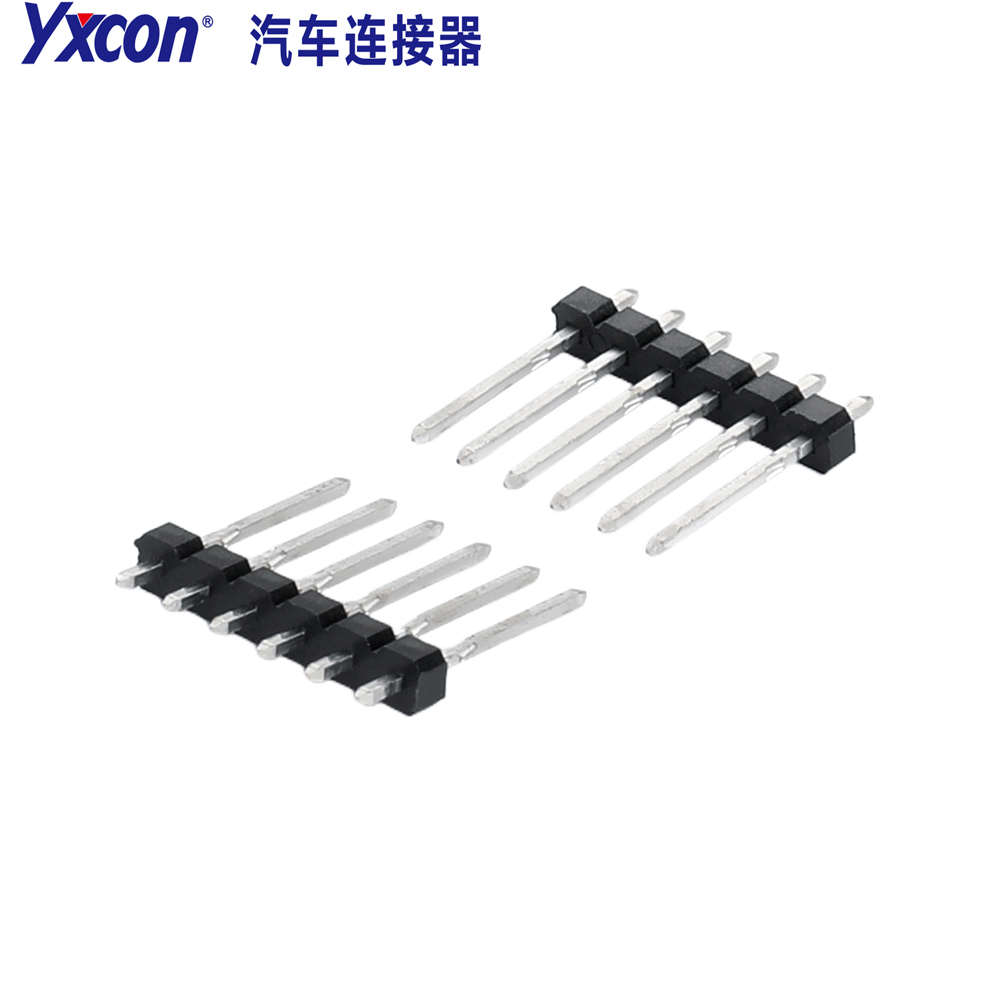
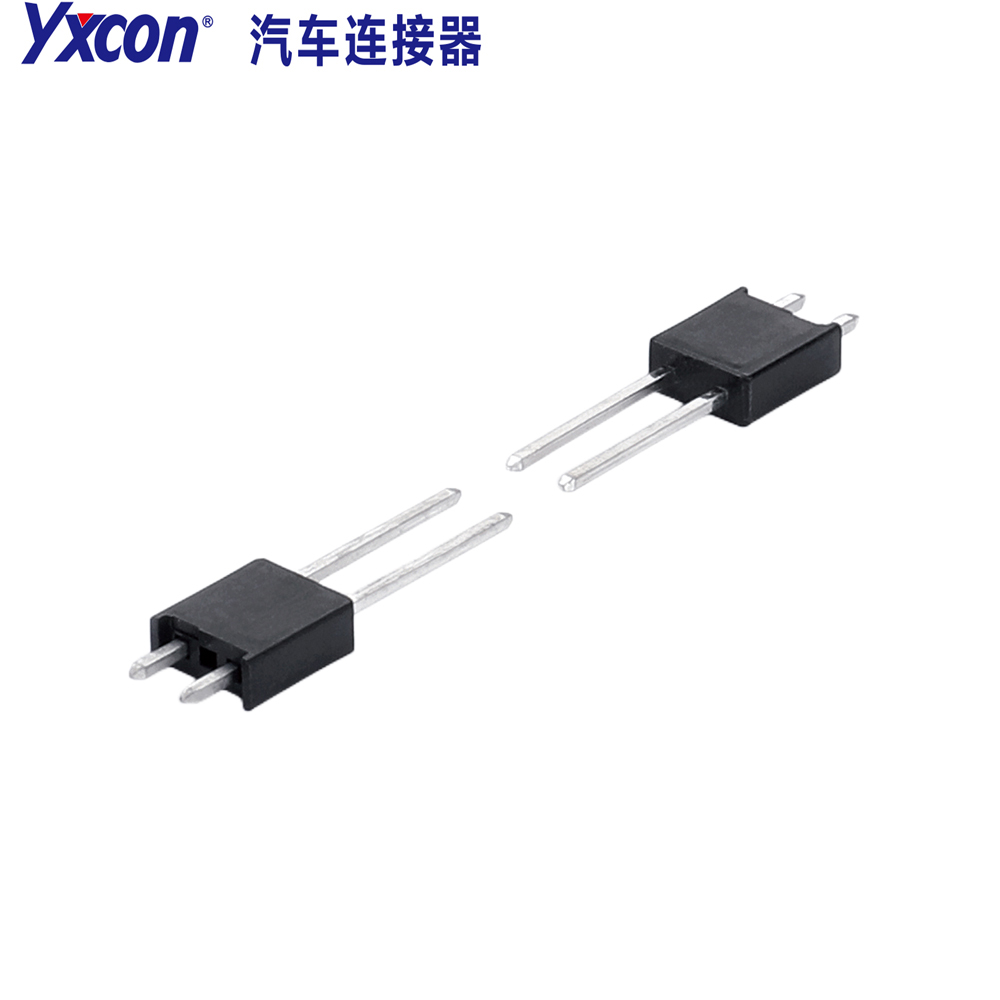
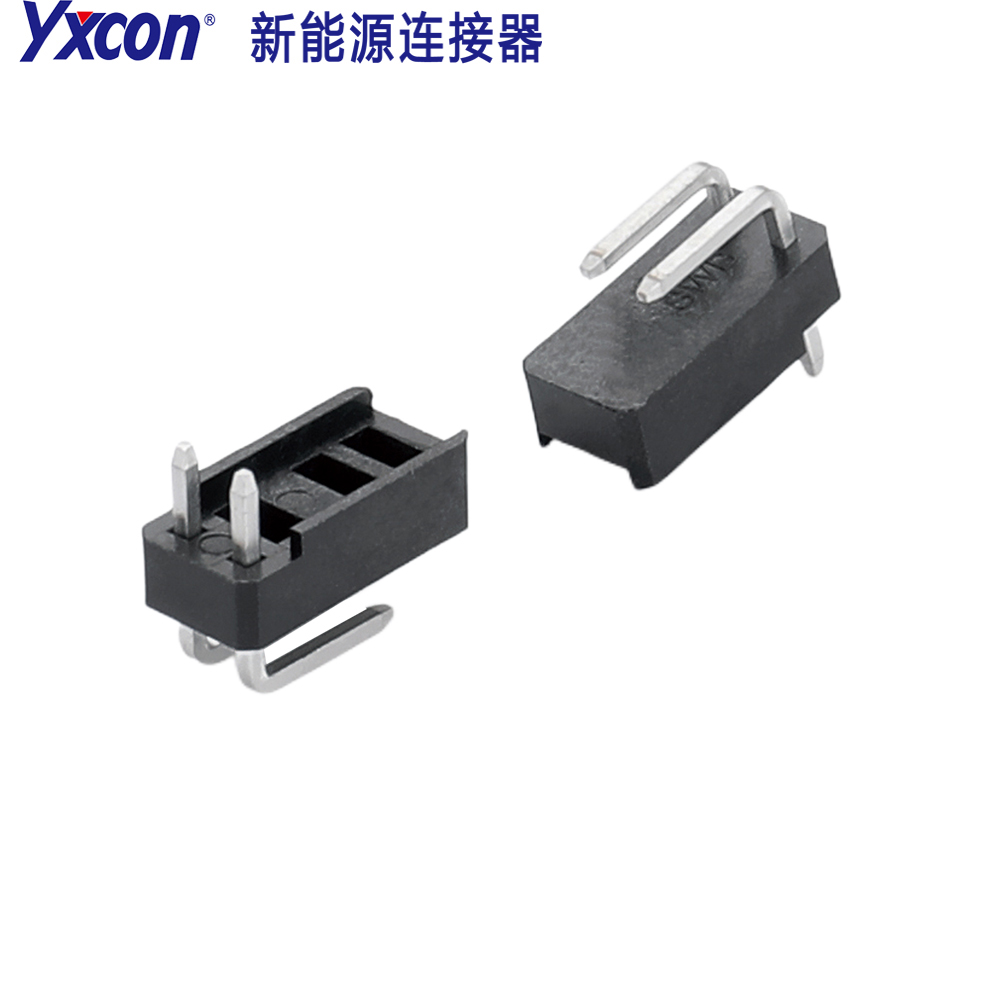
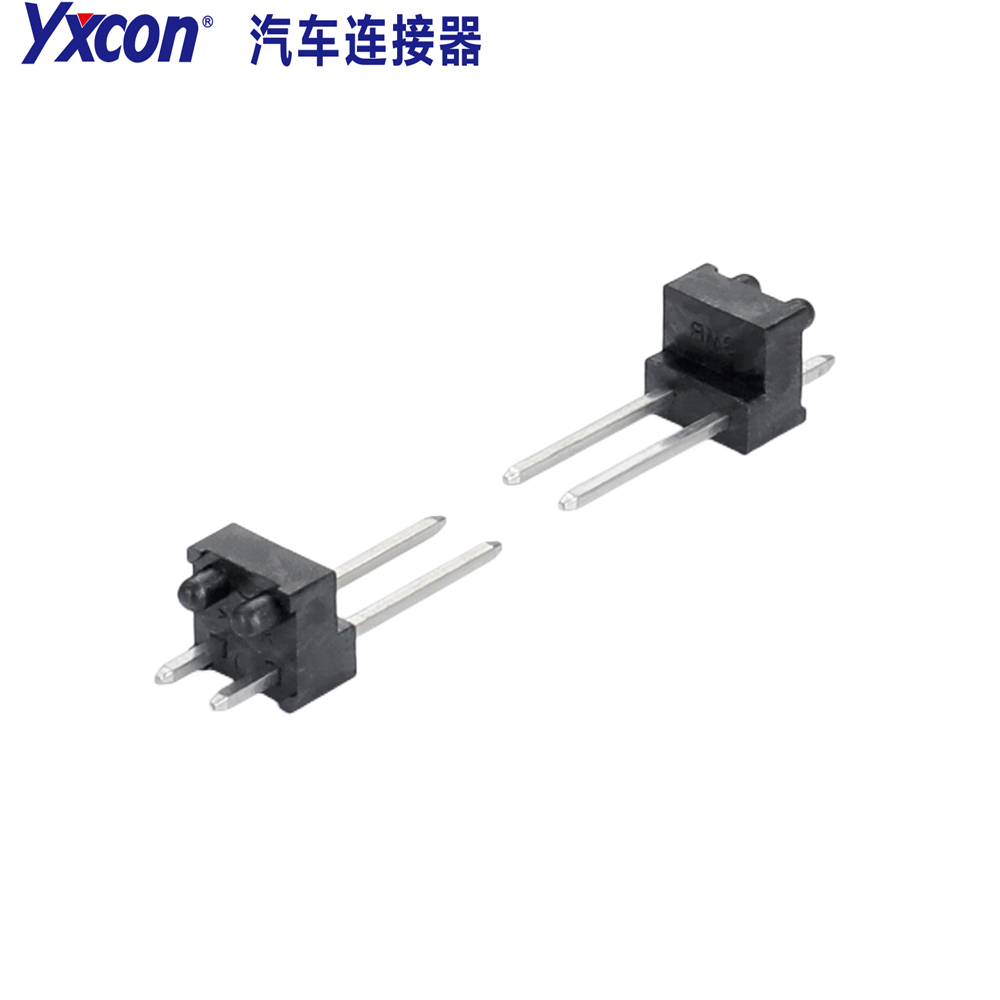
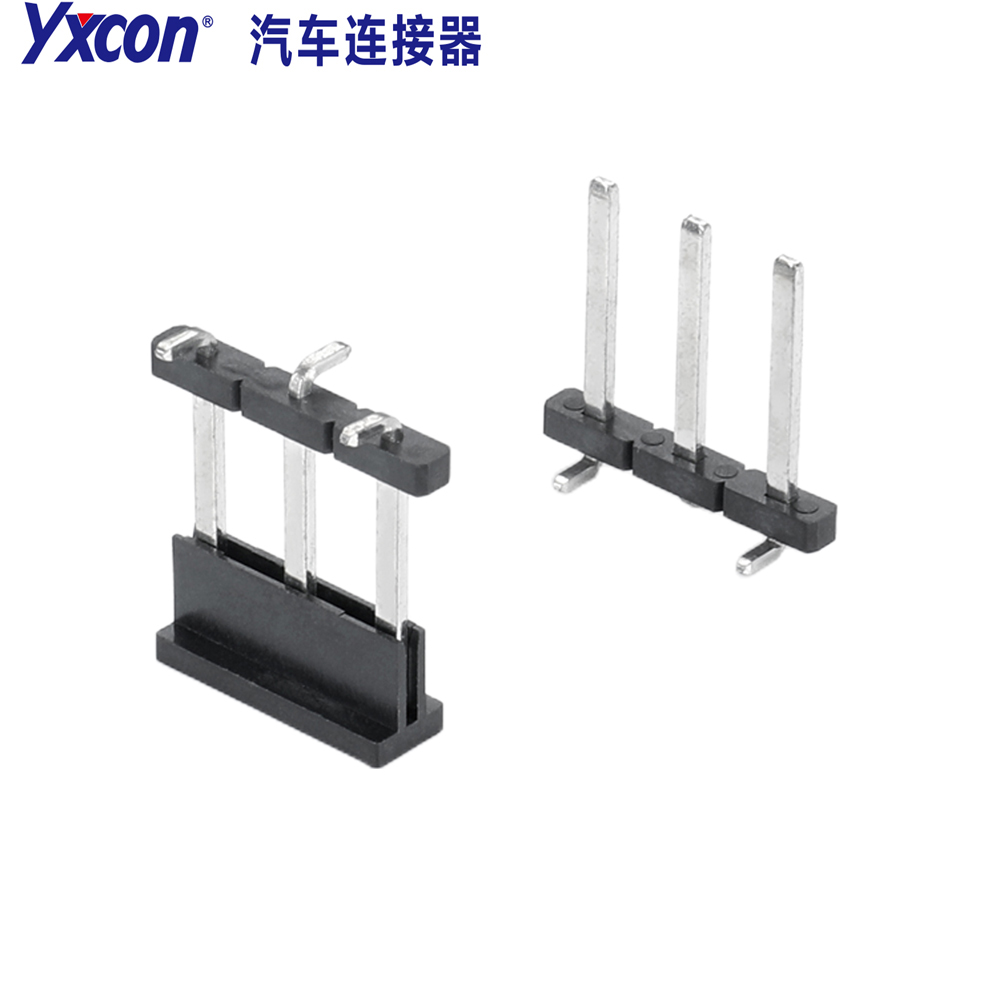
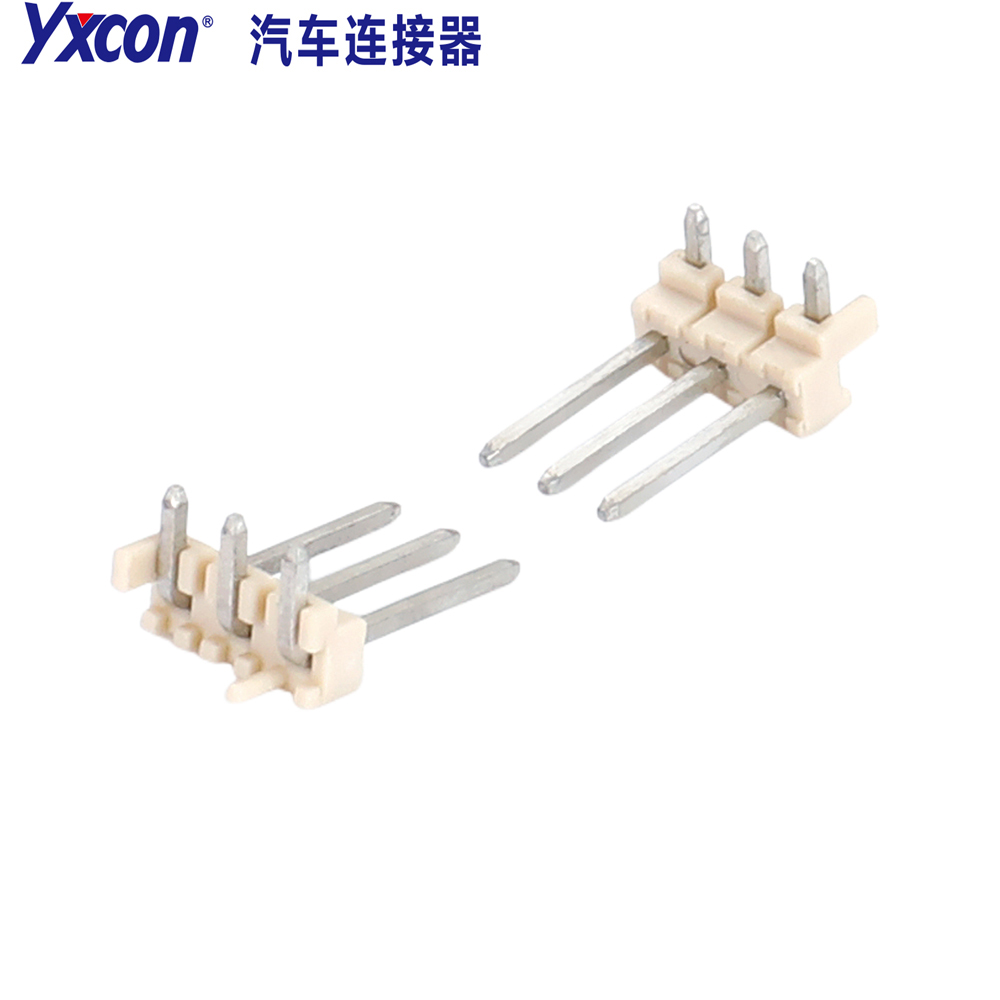
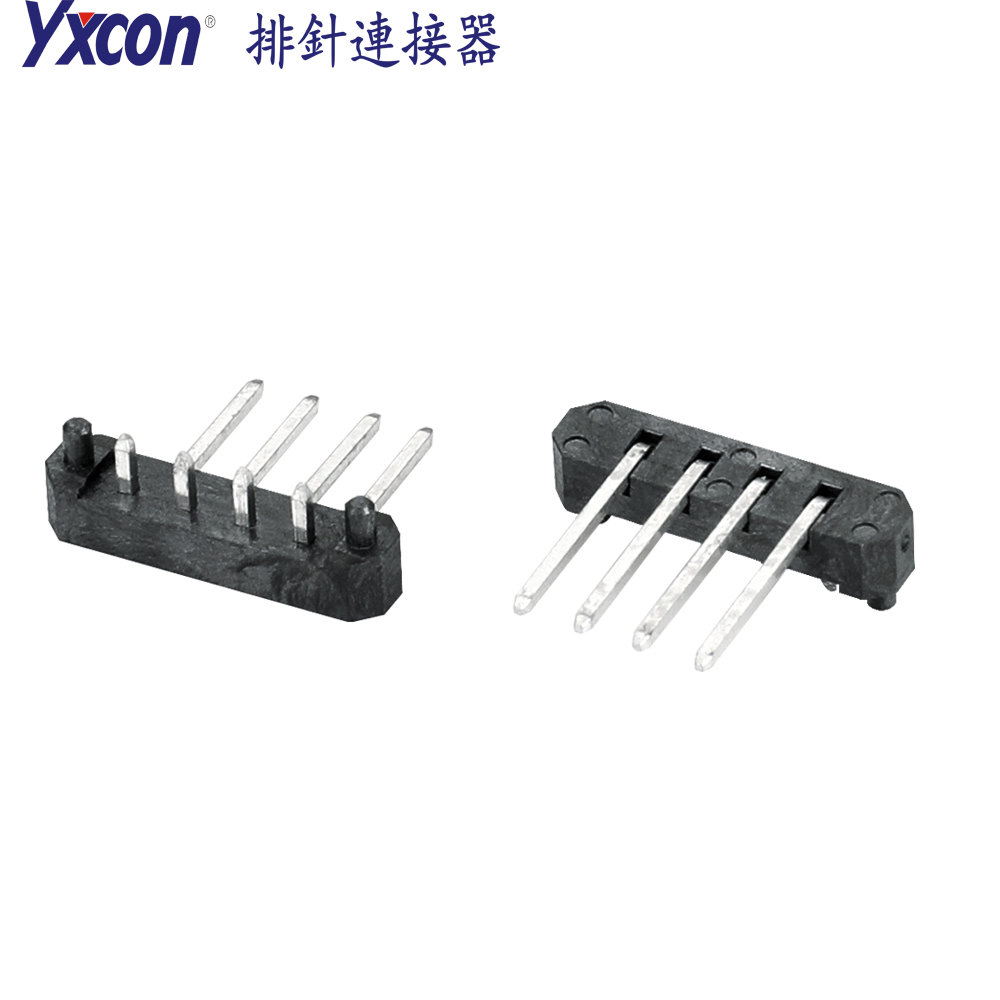
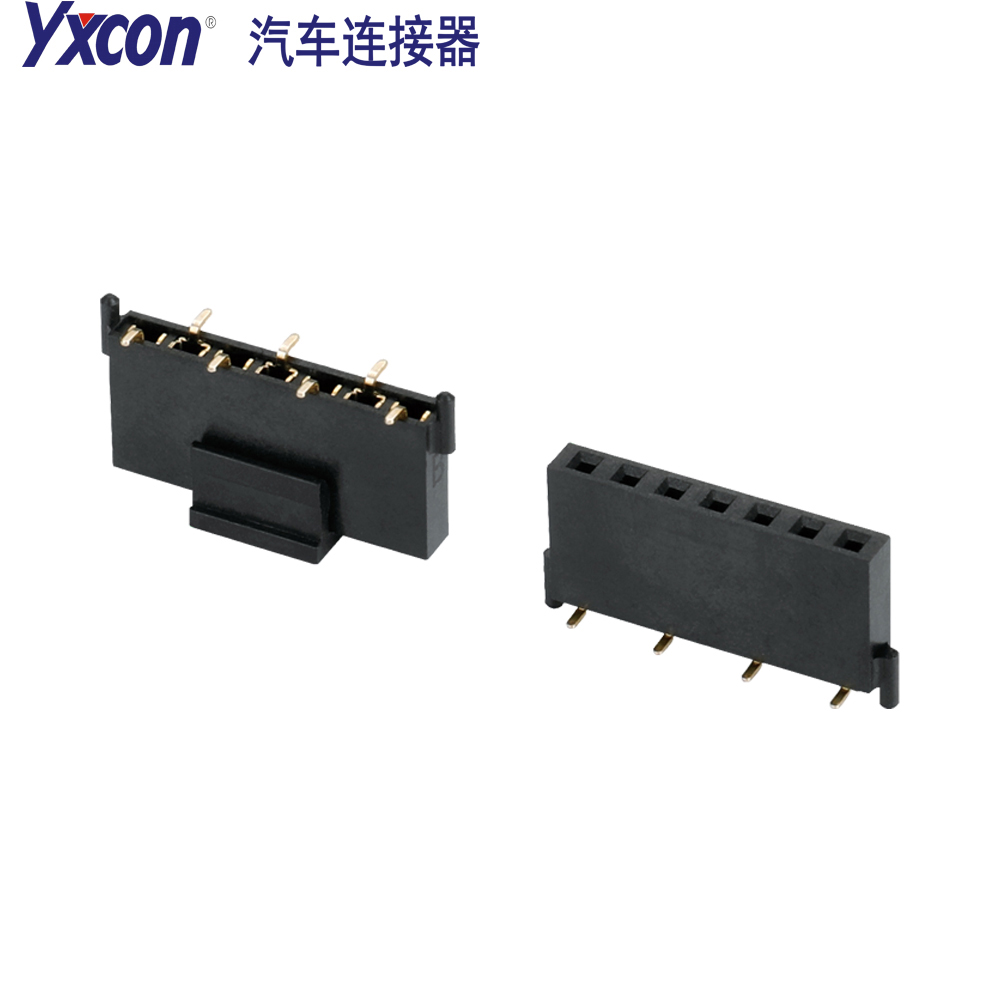
Against the backdrop of the current deep transformation of the automotive industry toward electrification and intelligence, the number and complexity of in-vehicle electronic devices are rising exponentially, which directly drives rigid demand for high-performance interconnect solutions. The FH2.54-8.5 1-7P SMT U-shaped automotive connector with outer posts is precisely a precision component designed for this trend. Positioned at the critical node of PCB board-to-wire connections, its core value lies in solving the signal interruption and mechanical failure problems that traditional connectors may encounter in harsh automotive environments. As an automotive-grade product, it is not merely a simple physical interface, but a safety cornerstone ensuring the stable operation of the entire vehicle's electronic system.
From the perspective of technical parameters, the product adopts a standard pitch of 2.54mm and a height design of 8.5mm; this specification ensures sufficient electrical clearance while balancing space utilization. Its rated current is 1.0AMP, rated voltage is 12V, and withstand voltage reaches AC 100V/minute; these indicators precisely match the mainstream requirements of modern automotive low-voltage electronic systems. In addition, the contact resistance is only 20mΩ maximum, and the insulation resistance is 1000MΩ minimum; these electrical characteristics ensure high fidelity and low loss in signal transmission, which is crucial for data integrity in precision fields such as in-vehicle navigation, instrument clusters, and sensors. The operating temperature range covers -55°C to 125°C, further proving its ability to adapt to extreme in-vehicle environments.
Product Competitiveness Assessment under the SWOT Framework
Analyzed from the Strengths dimension, the FH2.54 series automotive connectors possess significant differentiating features. First, their unique U-shaped contact structure and outer-post design constitute the core competitive barrier. This structure not only greatly improves insertion and extraction stability, but also effectively prevents loosening caused by vehicle driving vibration, ensuring foolproof signal transmission. Second, in terms of material selection, the plastic material uses PA66 and the terminal material uses brass; this combination provides excellent high-temperature resistance and corrosion resistance, meeting automotive-grade standard requirements. Furthermore, the SMT surface-mount packaging process supports automated production, which can greatly improve assembly efficiency and yield while reducing labor costs and human errors.
In terms of Weaknesses and Opportunities, although the product offers flexible options from 1P to 7P, it may require support from a richer product line when facing higher current or more complex multi-pin integration needs. However, as the automotive electronic architecture converges toward domain controllers in 2026, demand for modular and miniaturized connectors will continue to surge. The product's outer-post reinforcement design precisely caters to the market's high requirements for mechanical strength, providing broad space for its penetration into fields such as in-vehicle navigation, lighting control modules, and body electronic systems. Threats mainly come from raw material price fluctuations and industry pressure from technological iteration toward connectors with higher transmission rates, but with its robust locking mechanism and mature process, it still has strong market vitality in the short term.
PEST Macro-Environment Analysis
From the Political perspective, regulations on automotive safety and environmental protection around the world are becoming increasingly stringent, which directly forces automakers to adopt electronic components with higher reliability. The FH2.54 connector, with automotive-grade quality, naturally has the access advantage to enter the supply chains of mainstream automakers because it meets automotive-grade standard requirements. Regarding Economic factors, although the global economy is uncertain, the continued expansion of the new energy vehicle market provides strong growth momentum for the automotive connector market. Because SMT connectors support automated production, they can effectively reduce overall vehicle manufacturing costs, aligning with automakers' economic demands for cost reduction and efficiency improvement.
Changes in the Social and Technological dimensions are particularly notable. Consumers' expectations for intelligent automotive experiences continue to rise, and the number of in-vehicle sensors surges, requiring connectors to possess extremely high stability and anti-interference capability. With its unique outer-post design, the FH2.54 U-shaped connector with outer posts enhances mechanical strength, eliminates cold solder joints and detachment, and perfectly adapts to society's high expectations for automotive safety. At the technological level, the maturity of SMT surface-mount technology makes large-scale production of precision electronic components possible; the product's precision craftsmanship is precisely a manifestation of this technological progress, providing a physical foundation for the increasing complexity of automotive electronic systems.
Porter's Five Forces Model and Competitive Landscape
Regarding supplier bargaining power, because the product involves basic industrial raw materials such as PA66 plastic and brass terminals, and its specifications and parameters are clear (such as withstand voltage AC 100V/minute and contact resistance 20mΩ Max), supplier substitutability is relatively strong, but stable automotive-grade material supply channels remain key. Buyer bargaining power is somewhat weakened by the safety requirements of automotive electronic systems; automakers tend to choose proven, highly reliable automotive connectors rather than simply pursuing low prices. With its robust locking mechanism and high reliability, the FH2.54 series occupies a favorable position in negotiations.
The threat of potential entrants has always existed in the connector industry, especially in the mid-to-low-end market. However, automotive-grade products have long certification cycles and high technical thresholds, especially involving the precision structural design of U-shaped connectors and connectors with outer posts, which constitute high industry barriers. The threat of substitutes mainly comes from wireless transmission technology or higher-integration board-to-board connectors, but in scenarios such as body electronic systems and sensors that require physically robust connections, the position of physical connectors is difficult to shake. Competition among existing competitors is concentrated on process precision and supply stability; the product's SMT surface-mount packaging and flexible 1-7P options are its powerful weapons for responding to competition.
In-Depth Analysis of Technical Characteristics and Craftsmanship
An in-depth analysis of the technical details of the FH2.54-8.5 product shows that its U-shaped terminal design is the key to enhancing electrical performance. The U-shaped structure can provide a larger contact area and space for elastic deformation, maintaining constant contact force during insertion and extraction, thereby reducing contact resistance (20mΩ Max) and improving signal transmission stability. Combined with the outer-post design, this structure forms a double safeguard at the physical level, effectively dispersing shear forces caused by external vibration and preventing terminals from detaching from the PCB. This design is particularly important for in-vehicle environments where the operating temperature varies drastically between -55°C and 125°C, because thermal expansion and contraction of materials can easily lead to connection failure.
In terms of manufacturing craftsmanship, the application of SMT connectors (surface-mount technology) is a major highlight of the product. Compared with traditional through-hole mounting, SMT technology allows components to be mounted directly on the PCB surface, which not only greatly improves assembly efficiency but also significantly increases product yield. For automotive electronics manufacturers, this means faster production cycles and lower defect rates. In addition, the product's plastic material PA66 has excellent flame retardancy and mechanical strength, while the brass terminals ensure good conductivity and insertion/extraction durability; the rational application of these materials science elements jointly supports its quality commitment as an automotive-grade product.
2026 Trend Analysis and Future Outlook
Looking ahead to 2026, the automotive connector market will show a dual pursuit of high reliability and miniaturization. With the popularization of advanced driver assistance systems (ADAS), the volume of sensor data transmission will surge, placing higher demands on connector signal integrity. The low contact resistance (20mΩ Max) and high insulation resistance (1000MΩ Min) characteristics of the FH2.54 U-shaped connector with outer posts will continue to remain competitive in this trend. At the same time, the simplification of automotive electronic architectures will drive connectors toward multifunctional integration; although the product currently offers options from 1P to 7P, it may need to evolve toward higher pin counts or more compact packaging in the future.
Another notable trend is the extreme pursuit of high-temperature resistance and vibration resistance in automotive electronics. With the increase in battery energy density of electric vehicles, in-vehicle environmental temperature control faces challenges, and connectors with outer posts that achieve an operating temperature range of -55°C to 125°C will become rigid market demand. In addition, the demand for automated production will force more connectors to shift toward SMT surface-mount packaging. Therefore, the precision craftsmanship and automation-friendly design represented by the FH2.54 series are precisely models that conform to the intelligent manufacturing trend in the automotive industry in 2026. Future connectors will not only be transmission media, but also indestructible bridges between the perception layer and the control layer of intelligent vehicles.
Strategic Recommendations and Implementation Path
Based on the above analysis, the following strategies are recommended for the market promotion and product iteration of the FH2.54-8.5 1-7P SMT U-shaped automotive connector with outer posts. First, its reliability promotion in high-vibration environments should be strengthened, leveraging the advantages of the outer-post design and U-shaped contact structure to precisely target segmented markets with extremely high stability requirements, such as in-vehicle navigation, lighting control modules, and sensors. By demonstrating its stable performance under extreme temperatures from -55°C to 125°C, a brand image of automotive-grade quality should be established.
Second, the advantage of SMT connectors supporting automated production should be fully utilized to emphasize to automotive electronics manufacturers the assembly efficiency improvements and yield enhancements it can bring. It is recommended to compare in detail the cost-effectiveness of the SMT process and traditional processes in marketing materials, highlighting the long-term value brought by its precision craftsmanship. Finally, although the product currently offers flexible options from 1P to 7P, it is recommended to closely monitor changes in automotive electronic architectures in 2026 and timely evaluate the necessity of developing products with more pins or smaller pitch, so as to maintain a technological leading position in the market. By deepening existing advantages and appropriately laying out forward-looking plans, this series of automotive connectors is expected to continue benefiting in future market competition.


