Answers to the questions you care most about our products and services
General
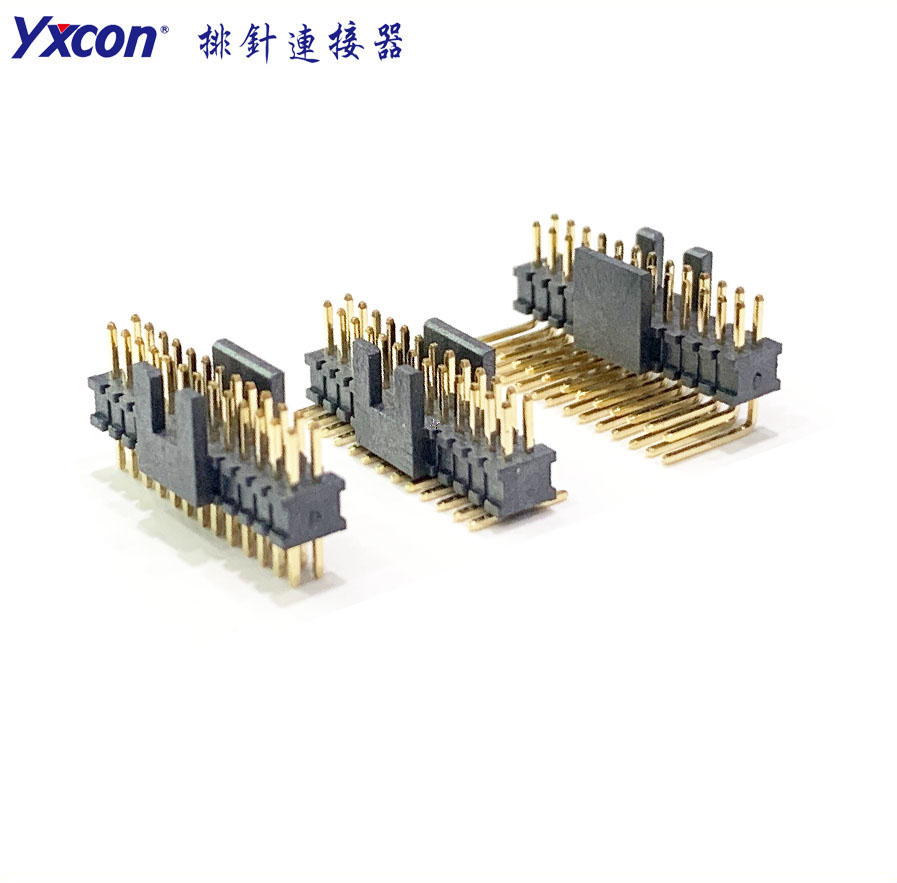
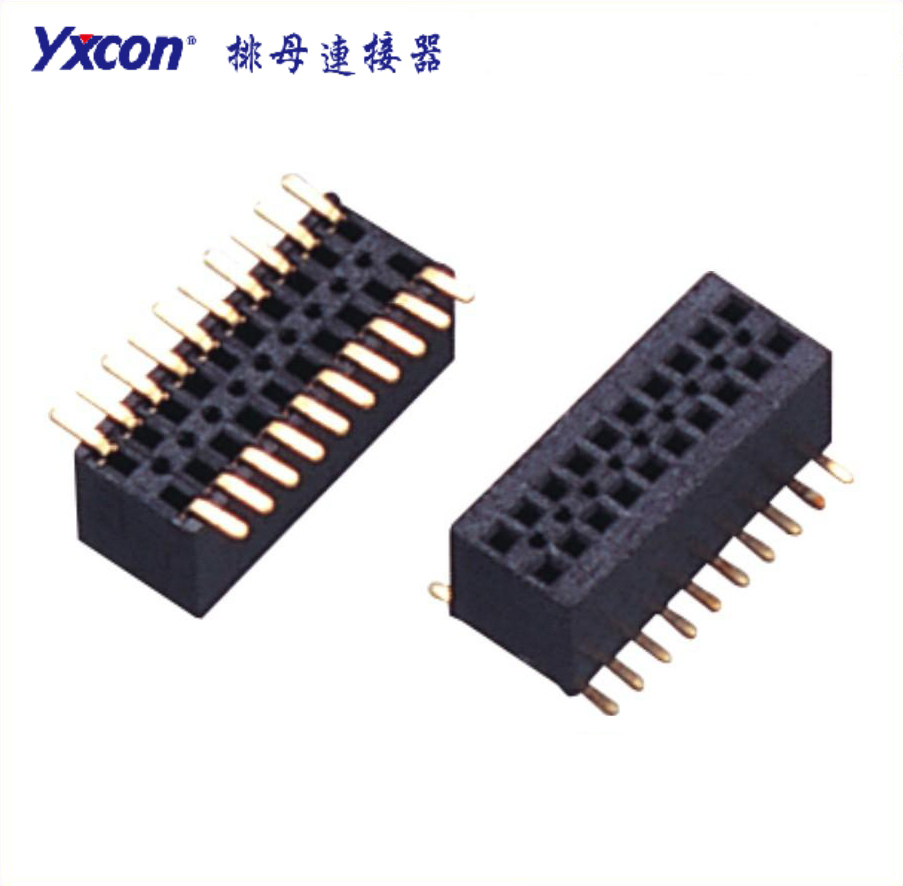
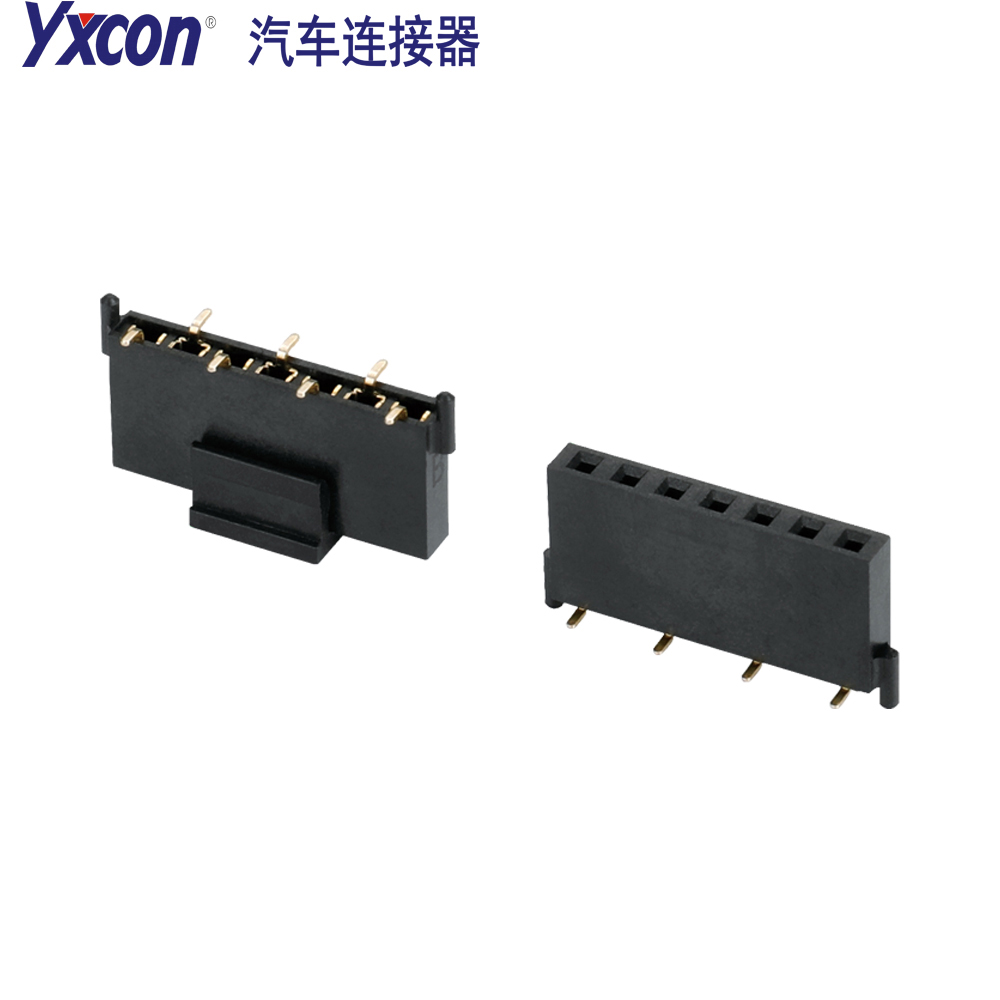
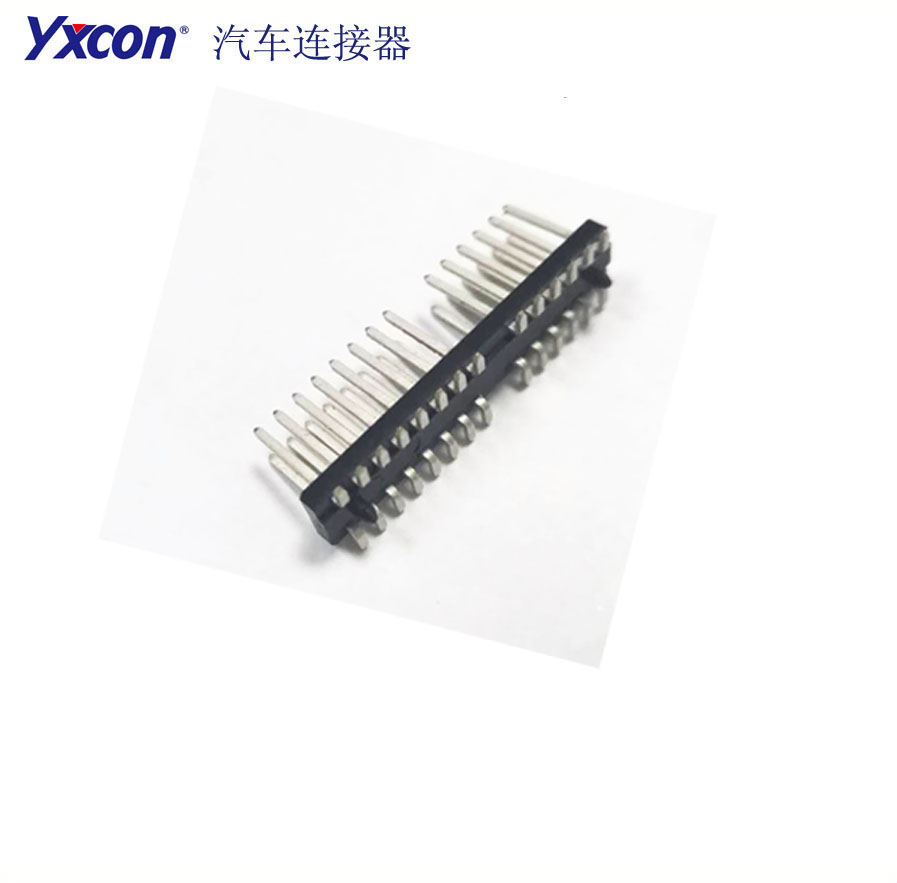
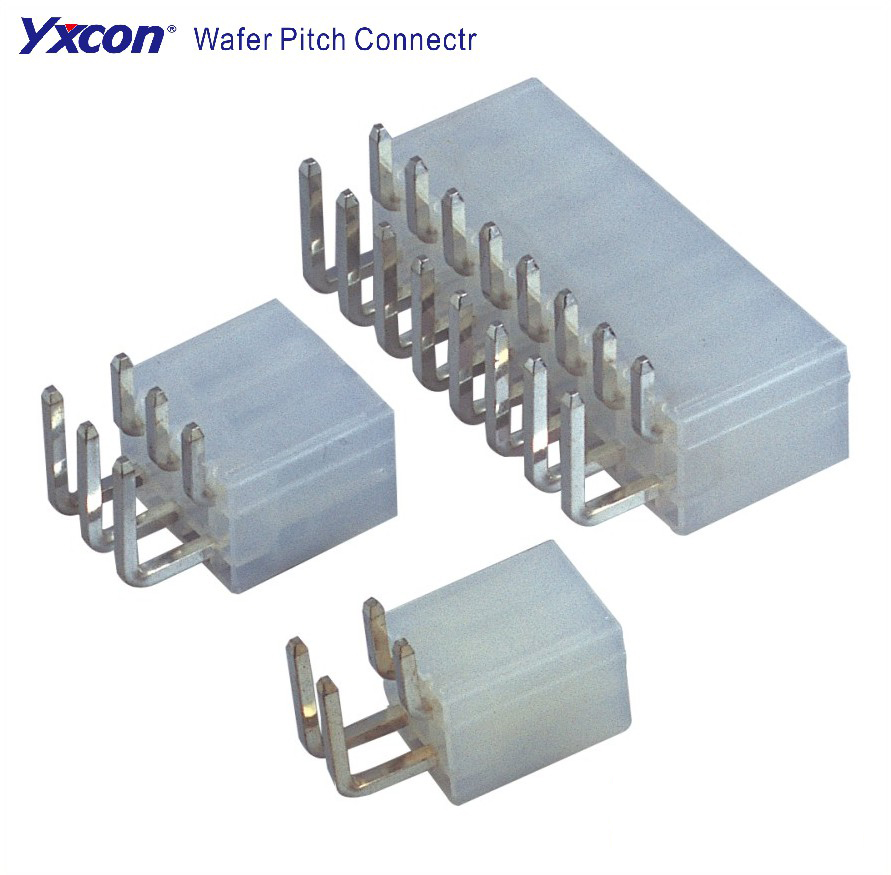
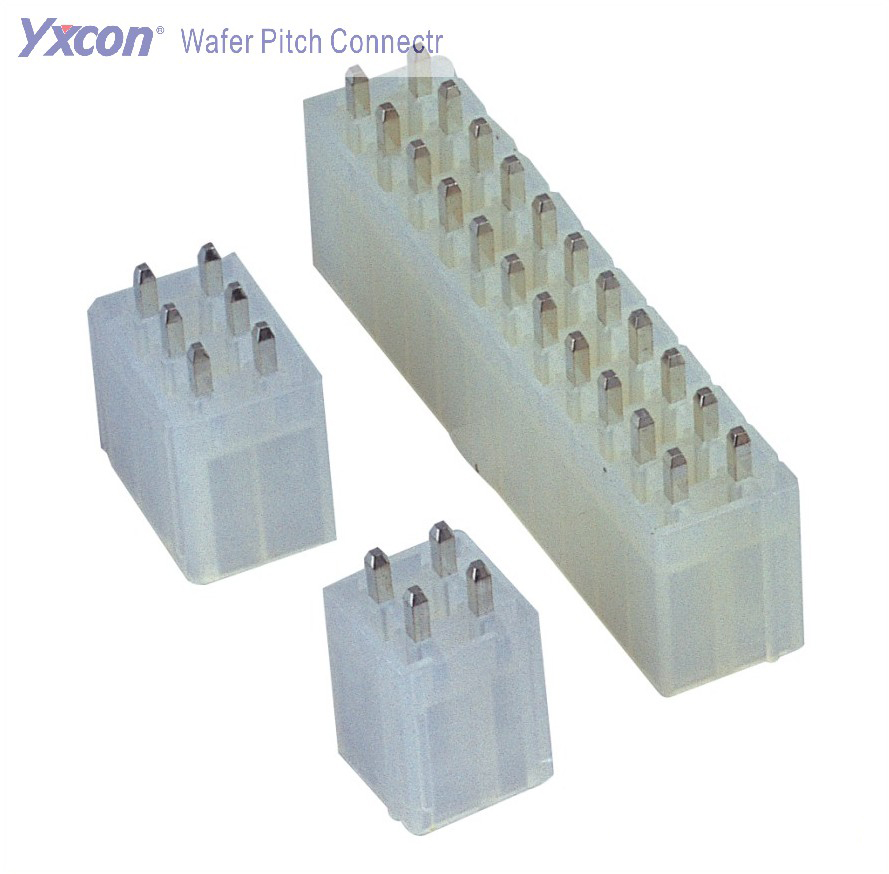
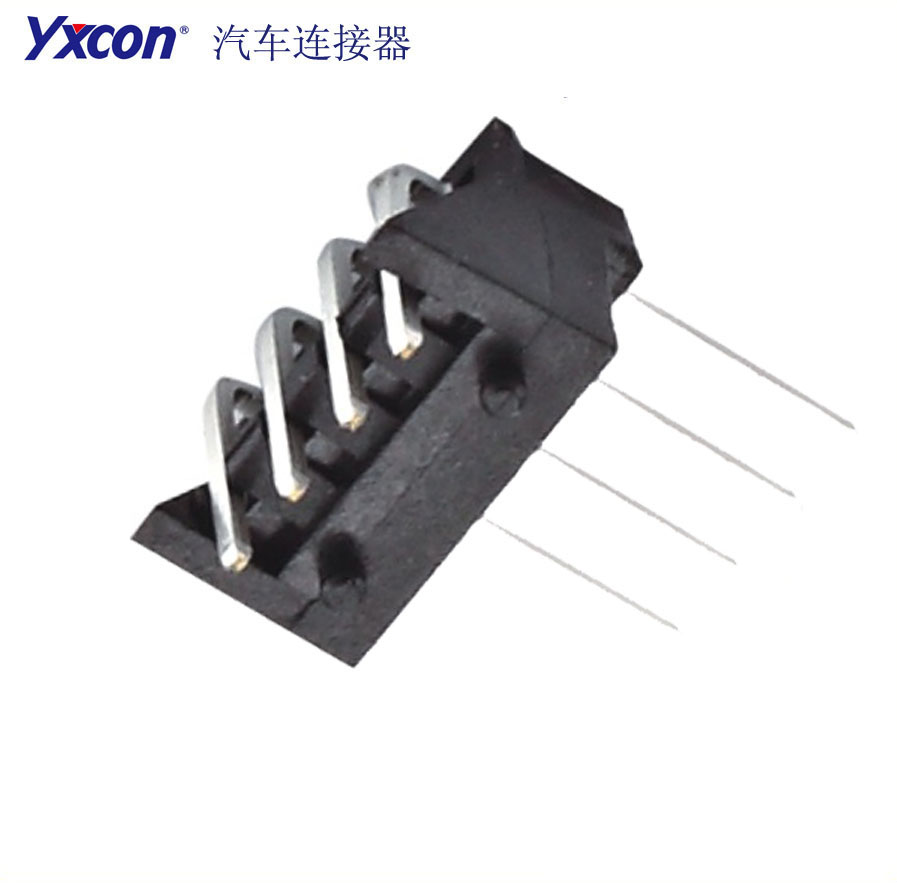
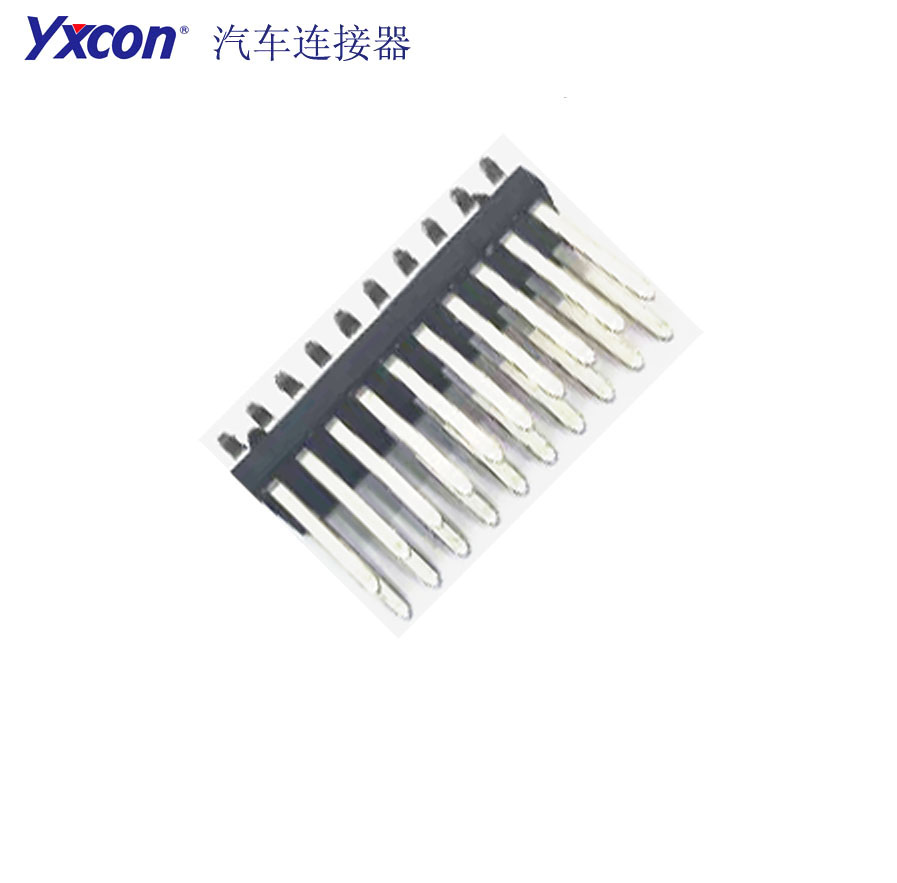
Pin headers are male connectors made of metal pins and a plastic base, while female headers are female connectors that mate through internal spring contacts. They are usually used together to form board-to-board or wire-to-board connections. Pin headers are commonly used for signal breakout and jumper configuration, while female headers serve as mating sockets. When selecting, make sure the pitch, pin count and number of rows match exactly. We offer a full range from 0.8mm to 5.08mm and can customize per drawing.
Pitch is the center-to-center distance between adjacent pins. Common options include 1.0mm, 1.27mm, 2.0mm, 2.54mm, 3.96mm and 5.08mm. Smaller pitch saves board space but demands higher PCB accuracy and assembly precision, while 2.54mm offers the best versatility for prototyping and general use, and 1.27mm/1.0mm suit high-density miniaturized devices. Consider board space, current requirements, mating frequency and assembly method. Share your application and we will recommend a suitable option.
PBT is a widely used engineering plastic with low cost and good moldability, suitable for general consumer electronics. PA6T/PA9T are high-temperature nylons with heat resistance above 260°C, suitable for lead-free reflow soldering (SMT). LCP offers excellent flow, high temperature resistance and dimensional stability, ideal for ultra-thin high-density connectors. Material choice depends mainly on the soldering process (wave/reflow), operating temperature and reliability class. We can recommend a matching material based on your process conditions.
Gold plating offers excellent oxidation and wear resistance with stable contact resistance, ideal for frequent mating, low-level signals and high-reliability applications. Common thicknesses include 3, 5, 10, 15 and 30 micro-inches. Tin plating is cost-effective with good solderability, suitable for soldered connections with few mating cycles. Nickel is typically used as an under-plate barrier layer. Balance mating life, environment (humidity/salt spray) and budget. We support full gold, selective gold (gold on contact area) and other plating options.
Current capacity per pin depends on pin size, plating, contact design and allowable temperature rise. For a 2.54mm pin header, each pin typically carries about 3A (high-current versions over 5A); 1.0mm/1.27mm pitch products carry roughly 0.5-1A per pin. Total current cannot be calculated simply as per-pin current multiplied by pin count (about 70% derating is recommended), and paralleling pins increases overall capacity. Count signal, power and ground requirements with upgrade headroom. Refer to datasheets for exact ratings; share your current requirements and we will recommend suitable products.
Operating temperature is determined by the plastic material, terminal material and plating. Standard PBT connectors operate from about -40°C to +105°C; PA6T/PA9T high-temperature materials reach -40°C to +125°C; LCP can reach -40°C to +130°C or higher. Automotive and industrial applications also require attention to high-temperature aging and thermal cycling reliability. For harsh environments such as engine compartments or outdoor base stations, share the temperature profile and we will recommend the right grade.
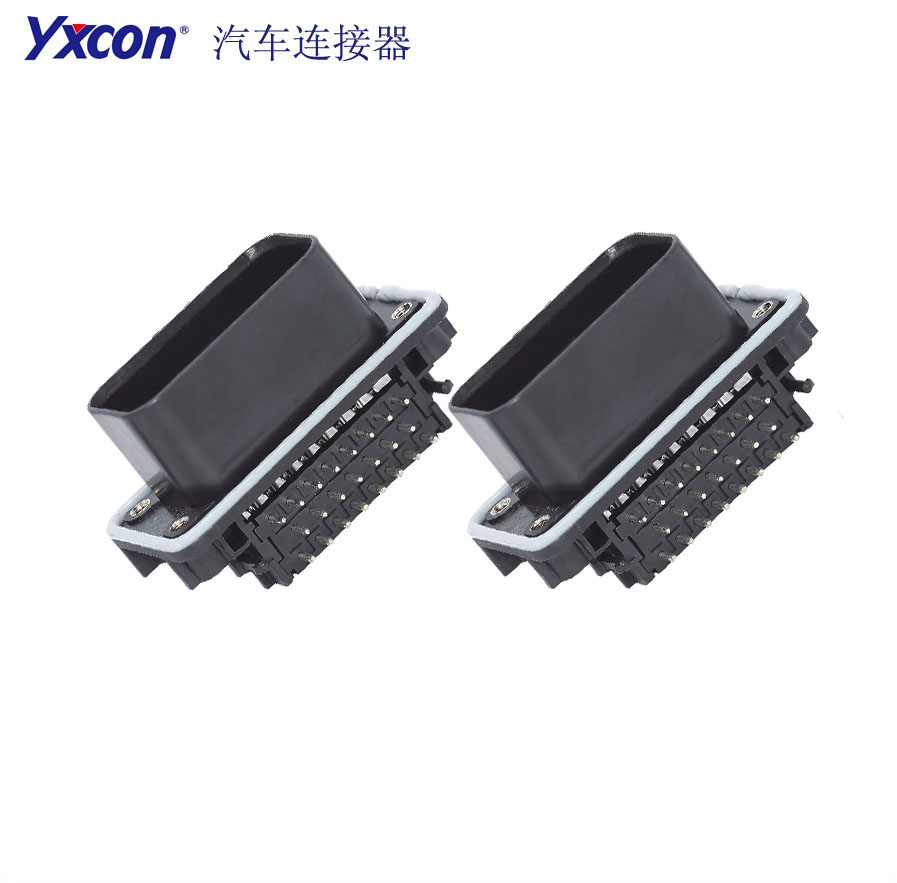
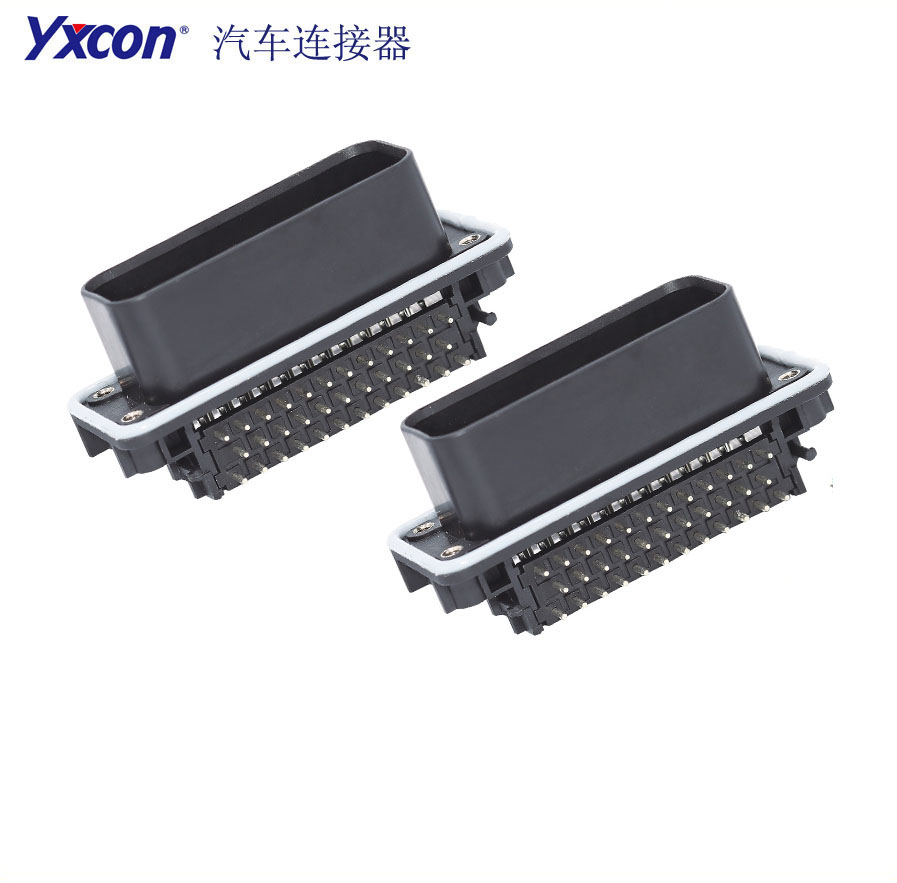
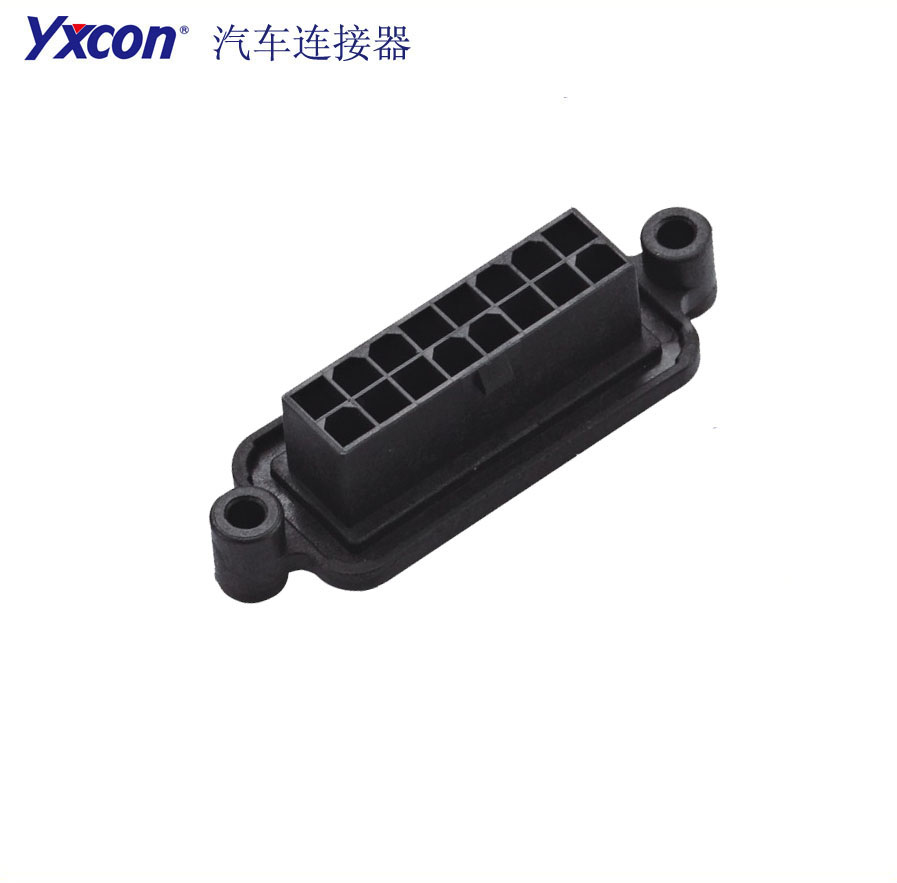
Automotive connectors generally require an IATF 16949 quality management system, with product-level testing per USCAR-2 (connector system performance specification), USCAR-21, LV214 (Volkswagen standard) and similar specifications, covering vibration, mechanical shock, temperature/humidity cycling, salt spray and mating durability. With experience in automotive connector development and mass production, we can support customers through reliability testing and PPAP documentation.
Mating life is the number of insertion/withdrawal cycles a connector withstands without affecting electrical performance. Standard pin/female headers: about 100-500 cycles; gold-plated terminals: 500-1000+ cycles; board-to-board (BTB) connectors: typically 30-50 cycles; Pogo Pins: 100,000 to 1,000,000 cycles depending on tip structure and plating. Evaluate the actual mating frequency over the product lifetime and leave margin. For high-cycle requirements, we recommend thicker gold plating or high-durability terminals.
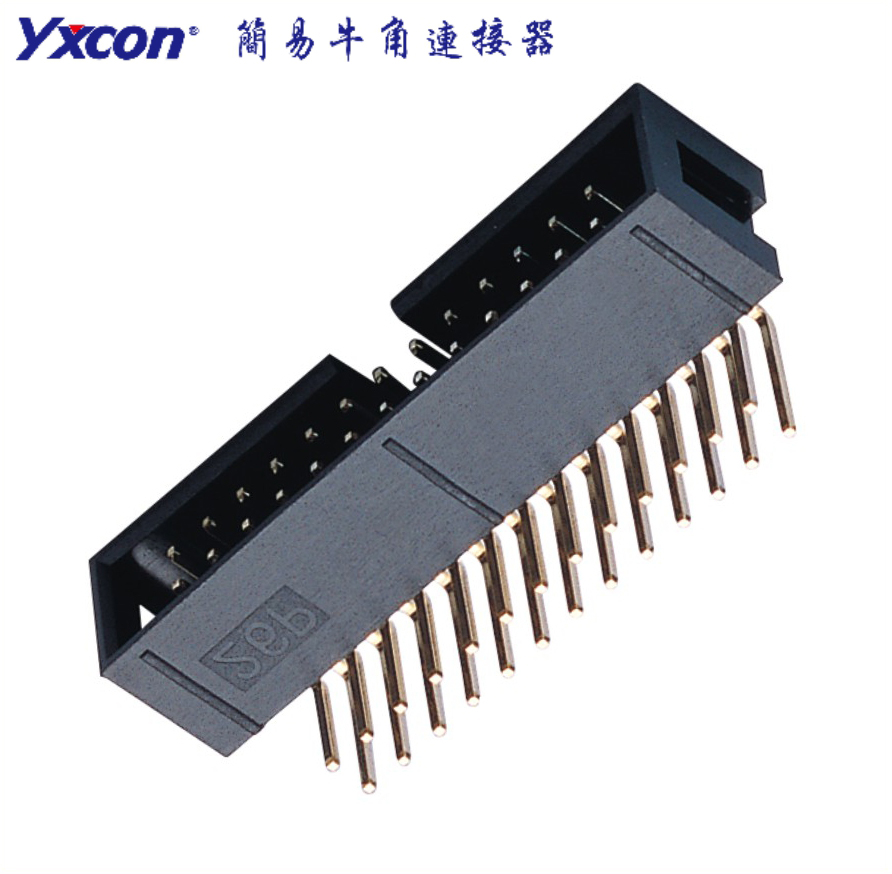
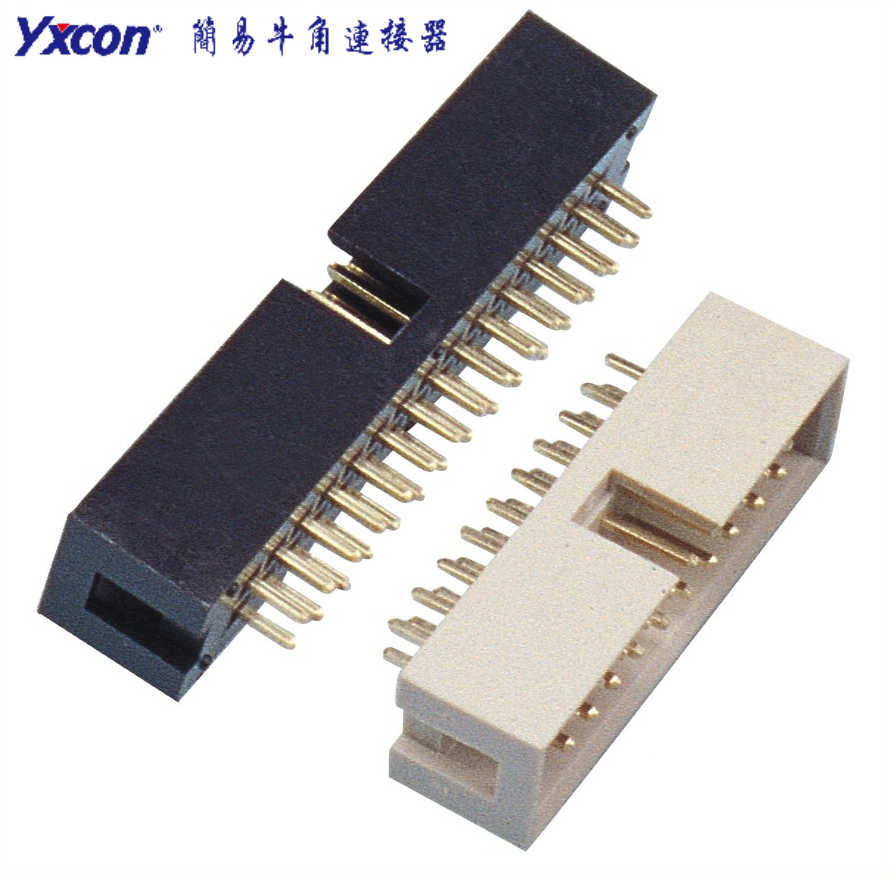
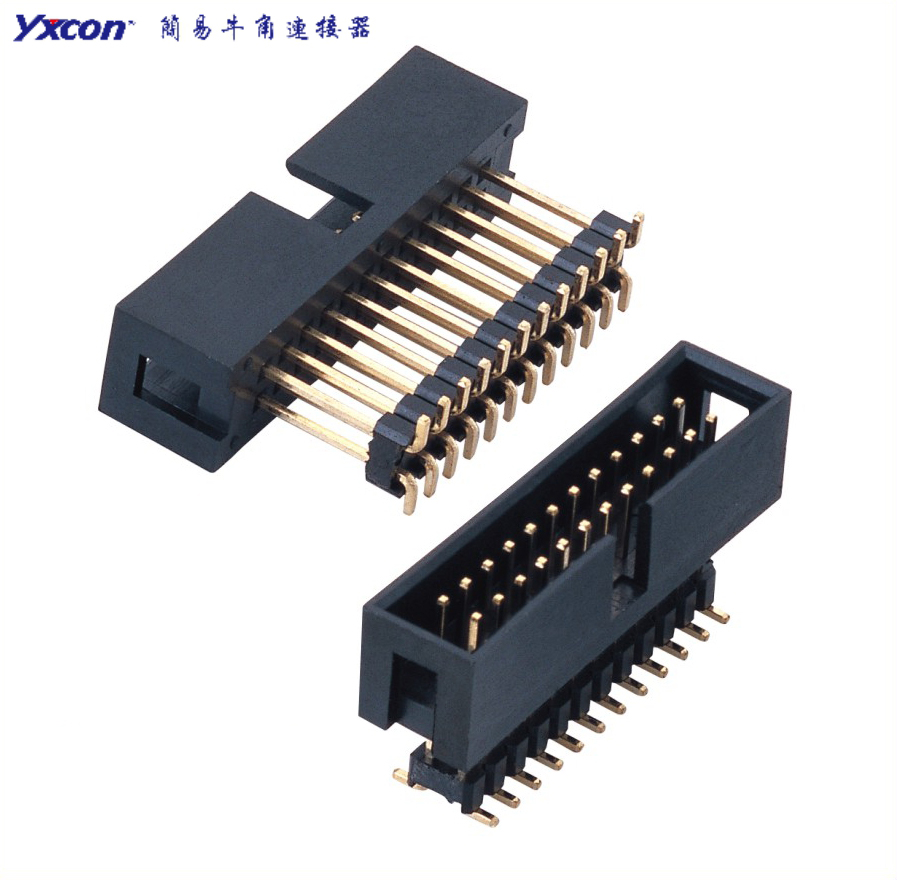
A box header is a pin header protected by a plastic shroud, mating with female headers or IDC cable ends; it features a polarization notch for stable mating, commonly in 2.54mm/2.0mm pitch. Ejector headers add locking latches to prevent loosening under vibration, and are commonly used with flat ribbon (IDC) cables. Both are widely used in industrial control, instrumentation and communication equipment. We offer straight, right-angle and SMT versions across the series.
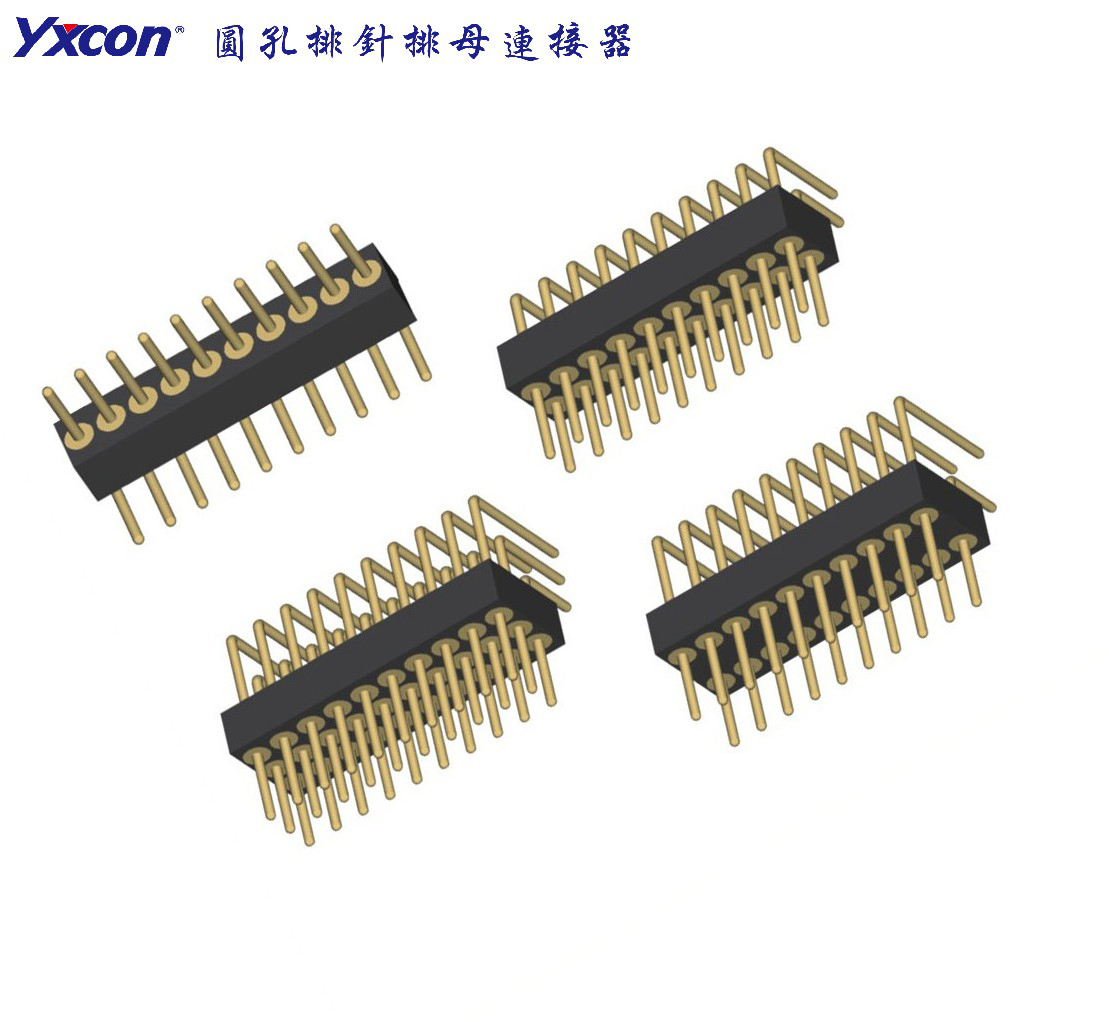
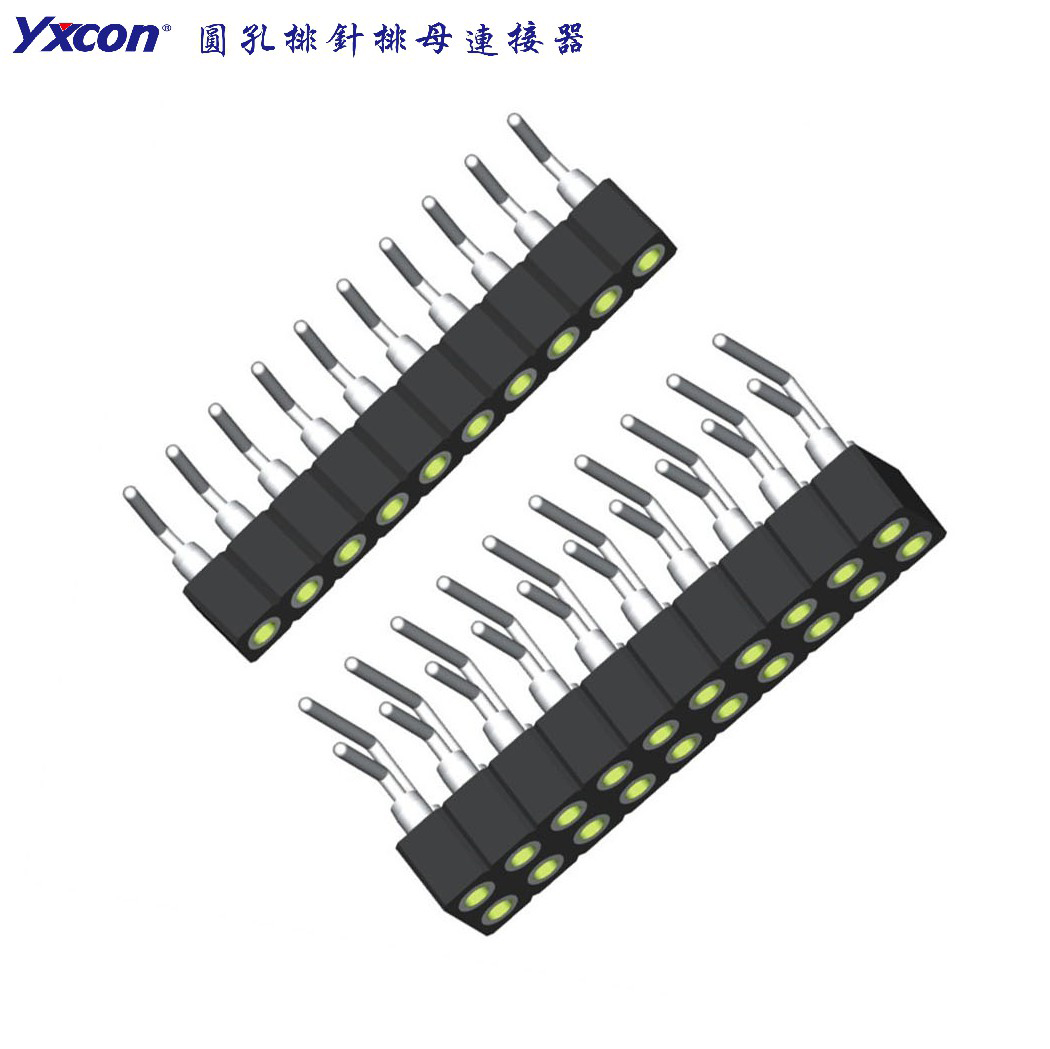
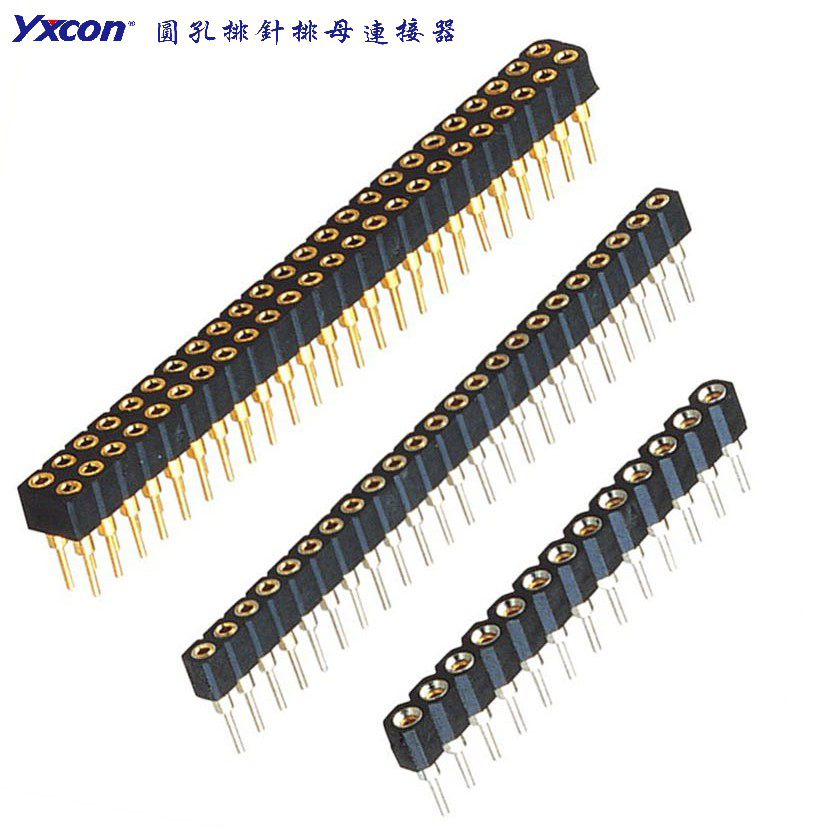
Machined pins are turned on a lathe with a smooth round profile, high precision and stable contact, offering better wear and durability than standard stamped square pins. They are commonly used in IC sockets, high-end test fixtures, medical electronics and aerospace applications. Stamped square pins are more cost-effective for high-volume general applications. Machined pins cost more, so balance reliability requirements against budget. We offer full series of machined pin headers and female headers.
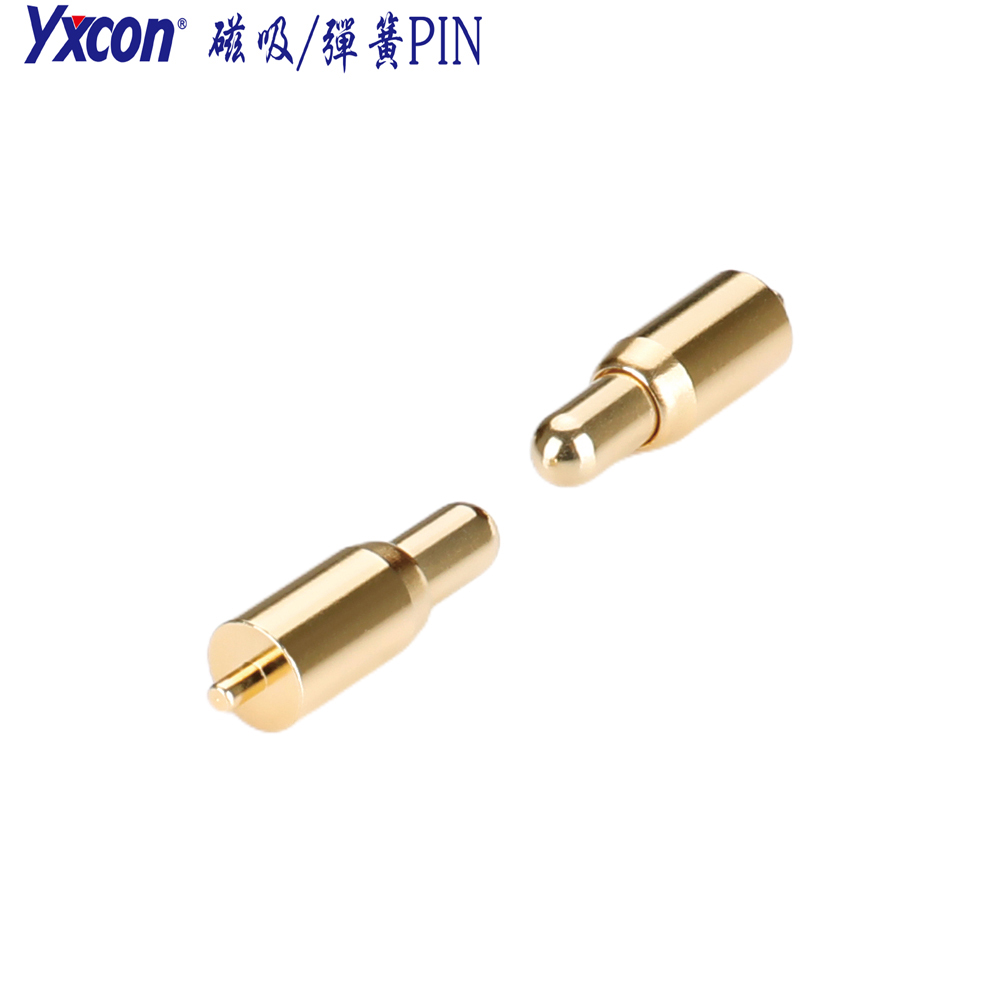
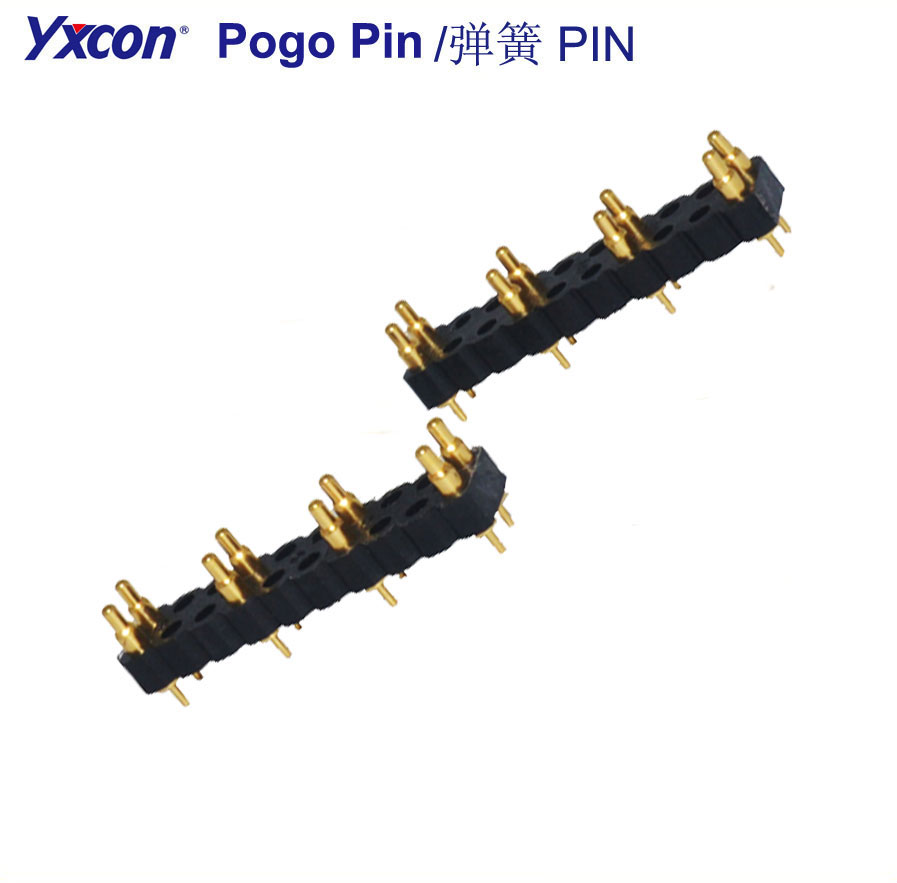
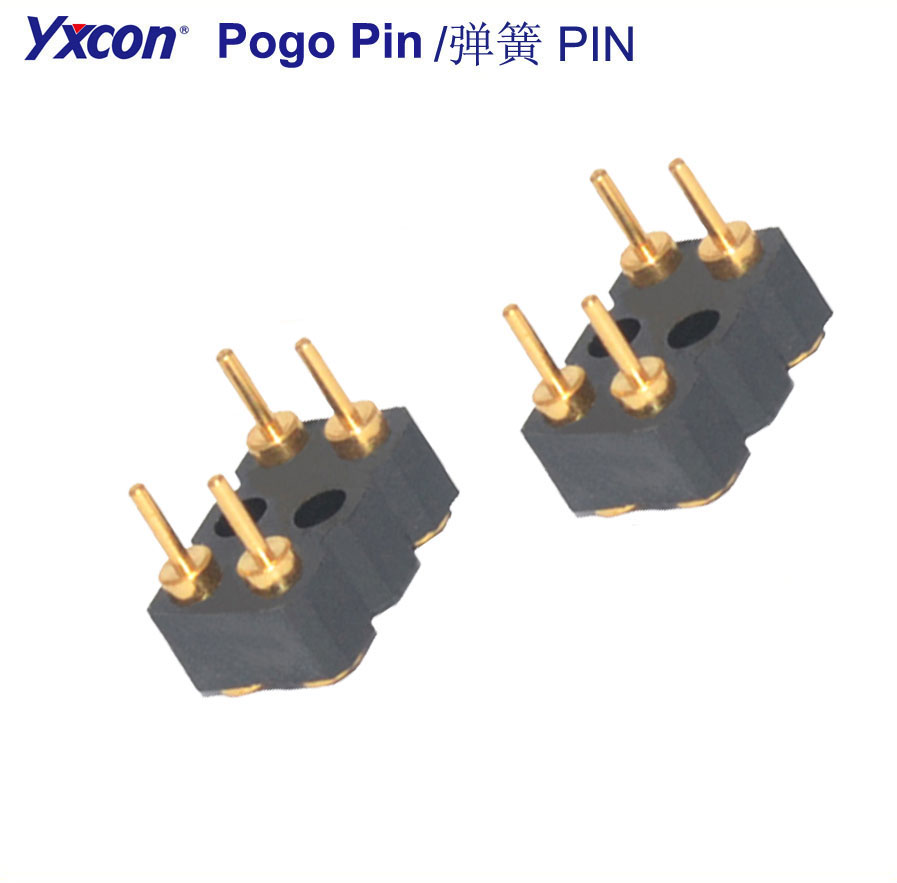
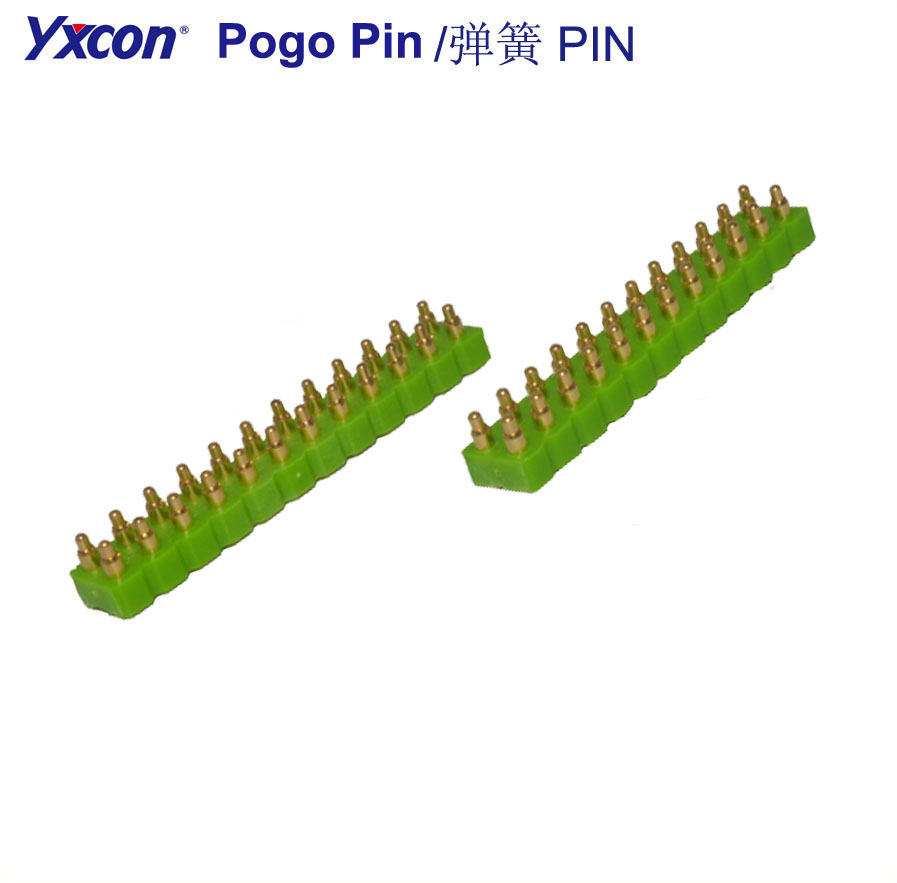
A Pogo Pin consists of a plunger, a spring and a barrel, providing contact force through spring compression for flexible contact. Mating life is typically 100,000 to 1,000,000 cycles depending on structure, plating and travel. Typical applications include test fixtures, charging contacts, TWS earbuds, smart wearables, medical devices and industrial inspection. Key selection parameters include travel, spring force, rated current and tip shape (pointed/round/flat). Custom Pogo Pins are available.
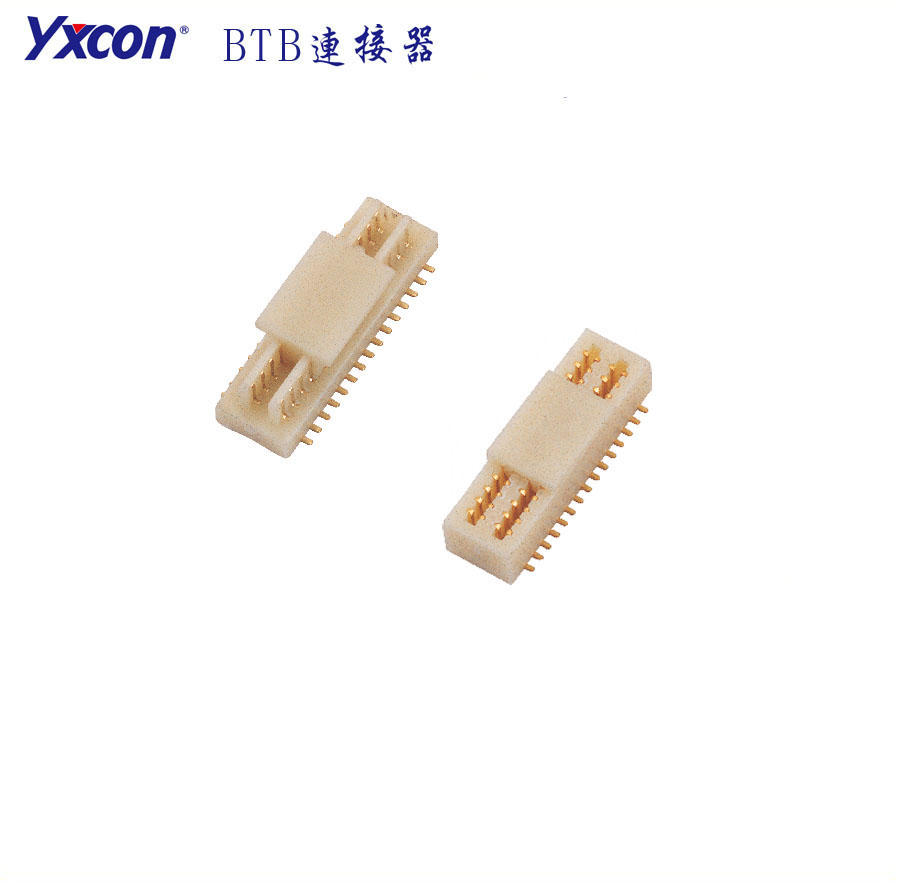
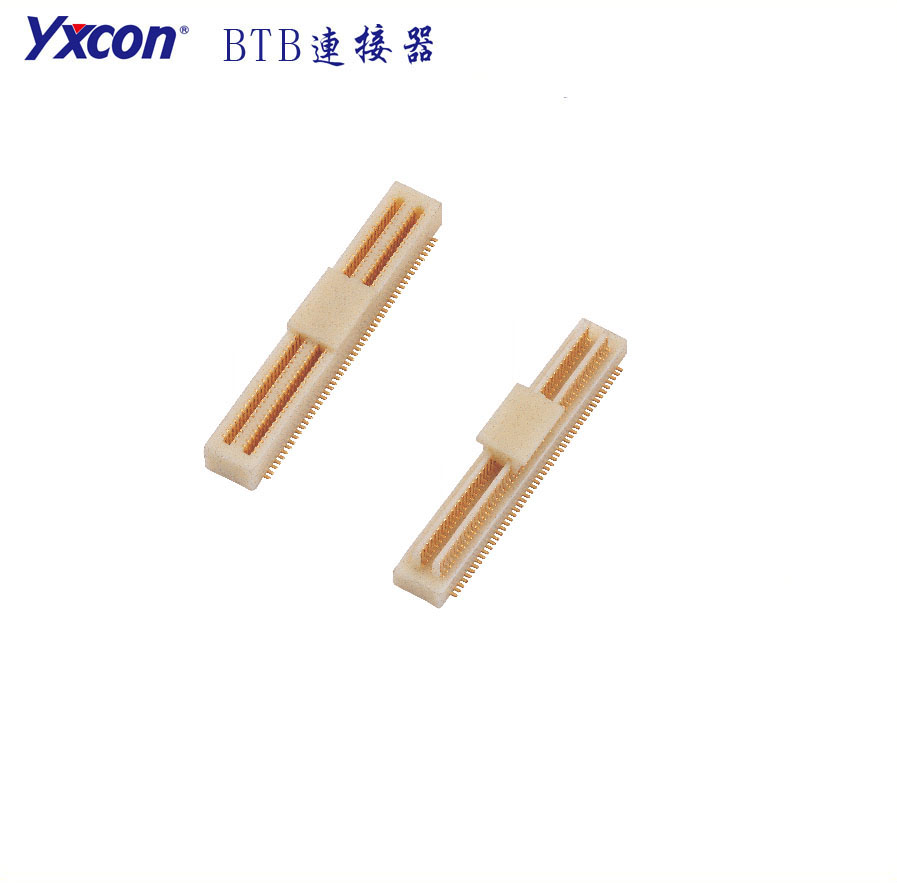
BTB (board-to-board) connectors directly connect two parallel PCBs. Key parameters include pitch (0.35-0.8mm), stack height (mated height, e.g. 0.9mm-8mm), pin count, mating structure, rated current and polarization features. Lower stack height saves space but demands higher coplanarity and assembly precision; higher pin counts increase mating resistance, so models with alignment/polarization features are recommended. We offer a range of BTB connectors and can recommend options based on stack height and signal density.
Common causes of poor contact include oxidized or contaminated terminals, worn plating, incomplete mating, deformed terminals (from over-mating or forced assembly), cold solder joints and pin misalignment. Recommended steps: visually inspect terminals and mating condition; measure contact resistance with a multimeter or micro-ohmmeter (normally within about 20-30mΩ); check PCB pads and soldering process; if needed, reproduce the failure with salt spray or thermal cycling tests. For batch issues, provide batch numbers and failed samples and we will support failure analysis.
Yes, we support OEM/ODM development based on customer drawings or samples for pin headers, female headers, box headers, machined pins, Pogo Pins, BTB connectors and cable assemblies. Process: requirement discussion, evaluation and quotation, sample approval, then tooling and mass production. Tooling involves development cost and lead time, evaluated by structure complexity; for orders above a certain quantity, tooling cost can be negotiated for amortization or refund. Send us samples or drawings for evaluation.
Standard products usually support small-order quantities; exact MOQ depends on product type and stock. Custom products involve tooling and production setup, so MOQ is higher, typically in the tens of thousands of pieces depending on complexity. Samples: free samples are available for standard products (freight collect); custom samples require a sample fee, which can be credited against formal orders. Contact our sales team to confirm MOQ and sample policy for specific products.
Standard product orders typically ship within 7-15 working days depending on quantity and stock. Custom products (including tooling) generally take 20-45 days: tooling about 7-15 days plus trial production and validation about 5-10 days. Lead times may extend in peak seasons (e.g. the second half of the year); early stocking or capacity reservation is recommended. Expedited scheduling is available, and the final lead time is confirmed at order confirmation. Please discuss your needs with our sales team.
The company is certified to the ISO 9001 quality management system, and our products comply with RoHS and REACH environmental directives; automotive connector operations run under IATF 16949 requirements. We maintain full-process quality control covering IQC (incoming), IPQC (in-process) and OQC (outgoing) inspection, and can provide third-party test reports (SGS, TUV, etc.) upon request. Contact our sales team for certificate numbers and the latest versions.
All products are controlled per RoHS 2.0 (2011/65/EU and amendments), restricting lead, mercury, cadmium, hexavalent chromium, PBBs, PBDEs and four phthalates. We can also provide SVHC screening reports per REACH (EC 1907/2006). All raw materials require environmental declarations and test reports from suppliers, with periodic third-party re-testing. Contact sales for environmental documents (test reports, compliance declarations).
Yes. Standard products come with datasheets covering dimensions, materials, plating, electrical and environmental performance. 2D drawings (PDF/DWG) and 3D models (STEP/IGES) are available for structural design and simulation. For custom products, confirmed drawings are provided after sample approval. Provide the model numbers and required file formats to our sales or engineering team and we will send them promptly.
We perform incoming, in-process and outgoing inspection, with electrical and appearance checks before shipment. If a quality issue is found during use, report it promptly with batch number, defect rate and failed samples - we will arrange failure analysis and issue a report. If the issue is confirmed to be our quality responsibility, we will provide replacement, replenishment or return per agreement. All products carry quality assurance per industry standards and order terms.
New Energy
EV charging equipment runs outdoors with high currents for long periods. Choose connectors with high current and voltage ratings, vibration resistance, flame-retardant housings and reliable contacts. Our car connector series and 4.2mm pitch connectors suit these designs; allow at least 20% current margin in selection.
Battery management systems need dense and compact interconnections. 1.27mm pitch pin headers and female headers, box headers and IDC cable assemblies are widely used. For vibration environments, choose products with keying and locking features for long-term contact reliability.
PV inverters combine power rails and signal paths. Use 4.2mm or larger pitch power connectors for high-current circuits, and 2.54mm pin headers, box headers or IDC solutions for signals. Mind the temperature rating of plastics such as PA6T, PA9T and LCP.
Storage converters work at high current and high temperature. Connectors need high current ratings and low contact resistance; gold-plated or thick tin-plated terminals with 4.2mm pitch power connectors are recommended. Parallel pins help reduce localized heat.
Pogo pins are widely used in battery testing, charging detection and automated test fixtures, providing high-cycle, non-destructive contact. For high test currents choose high-current Pogo Pins and check spring life and plating wear resistance.
Medical devices demand high reliability, cleanliness and biocompatibility. Machined pin headers, female headers and Pogo Pins offer stable, wear-resistant contacts. Check material resistance to alcohol and common disinfectant wiping.
These devices have many cascaded boards and mixed signals. Common choices include 1.27mm and 2.0mm pin headers and female headers, box headers and machined IC sockets. Pluggable structures help service replaceable modules.
Portable devices have tight space. Choose 0.8mm to 1.27mm fine-pitch connectors and FPC solutions, balancing mating life and drop resistance. Miniaturization should not come at the cost of reliability.
Test equipment performs high-cycle connections to sensors and test modules. Pogo Pins provide low contact resistance and long spring life; with custom fixtures they enable fast inspection and automated production testing.
Prefer products with chemical-resistant housings and gold-plated terminals, and minimize exposed metal. For frequently wiped areas, choose sealed structures or add protective caps to extend service life.
AI Hardware
AI servers have many boards and high power consumption. Use 4.2mm or larger pitch connectors for power delivery, and 1.27mm board-to-board connectors or Pogo Pins for signal and debugging. Check temperature ratings for air or liquid cooling environments.
Smart speakers and service robots typically use box headers, 1.27mm pin and female headers and IDC cable assemblies to interconnect main and sub boards; Pogo Pins are common for charging and debugging contacts. Balance compact size with assembly efficiency.
Camera modules are height-sensitive with strict signal integrity requirements. Choose SMT fine-pitch board-to-board connectors with positioning pegs and keying features to ensure placement accuracy and reliability after reflow soldering.
Yes. Current rating and contact resistance directly affect heat generation. For heavy loads, choose terminals with thick gold plating and larger contact areas, keep space around power connectors for heat dissipation, and use parallel pins if needed.
Pogo Pin fixtures are common for R and D and production testing, enabling fast clamping and repeated contact. For mass programming and burn-in tests, low-cost pin header or box header interfaces can also be used.
Industrial control equipment commonly uses 2.54mm pin and female headers, box headers, ejector (IDC) headers and IDC cable assemblies for board-level and cabinet wiring. Consider vibration resistance, temperature range and mating life in selection.
Choose connectors with locking, keying and anti-vibration features, and prefer gold-plated terminals for low contact resistance. For high-reliability production equipment, automotive-grade connector series validated to vehicle standards reduce long-term failure risk.
2.54mm pitch pin and female headers are the mainstream choice, with 2.0mm and 1.27mm fine-pitch options for dense board-to-board interconnections. Select pitch, pin height and current rating by signal count and space, and check PA6T, PA9T and LCP temperature ratings.
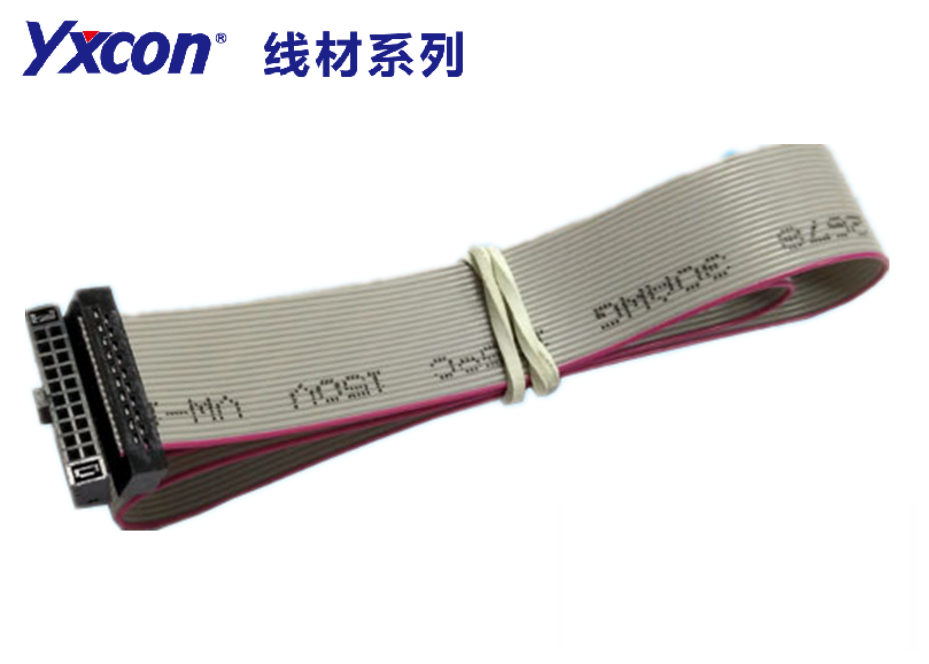
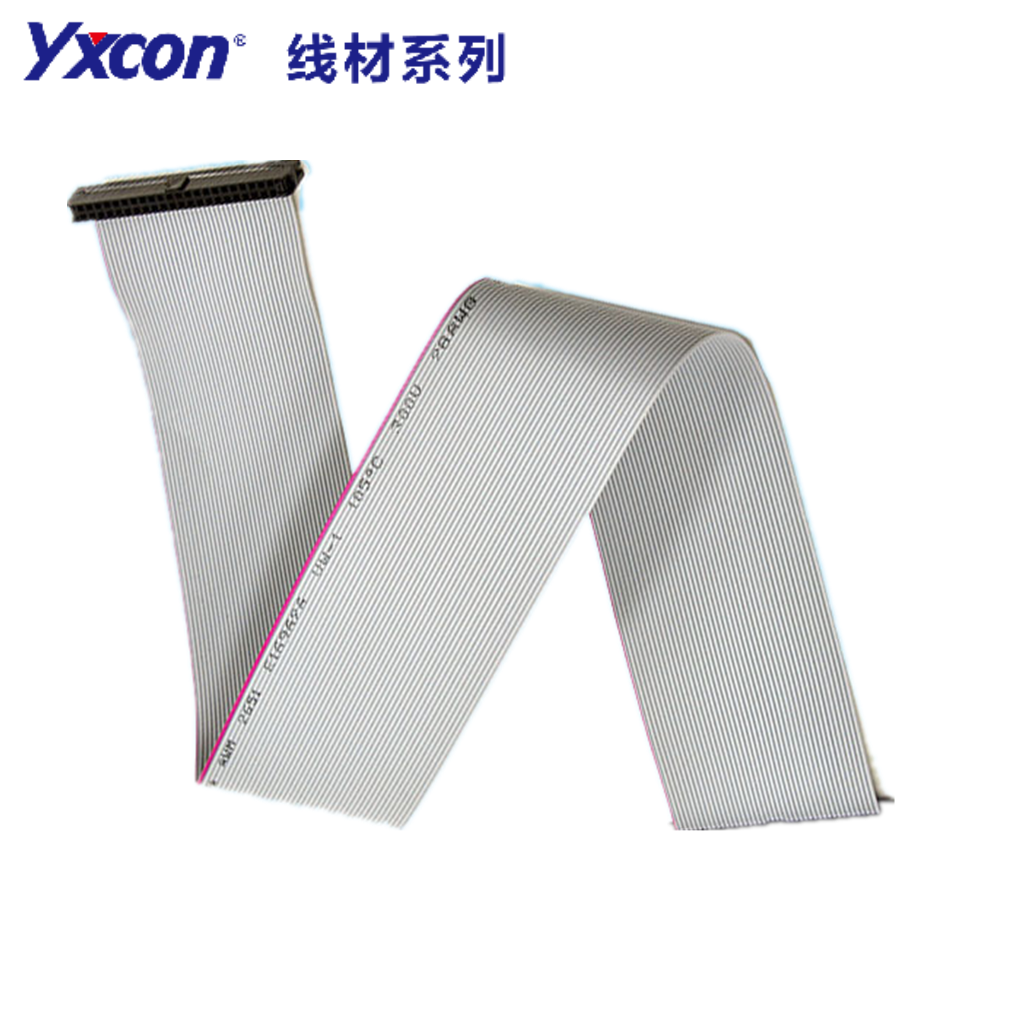
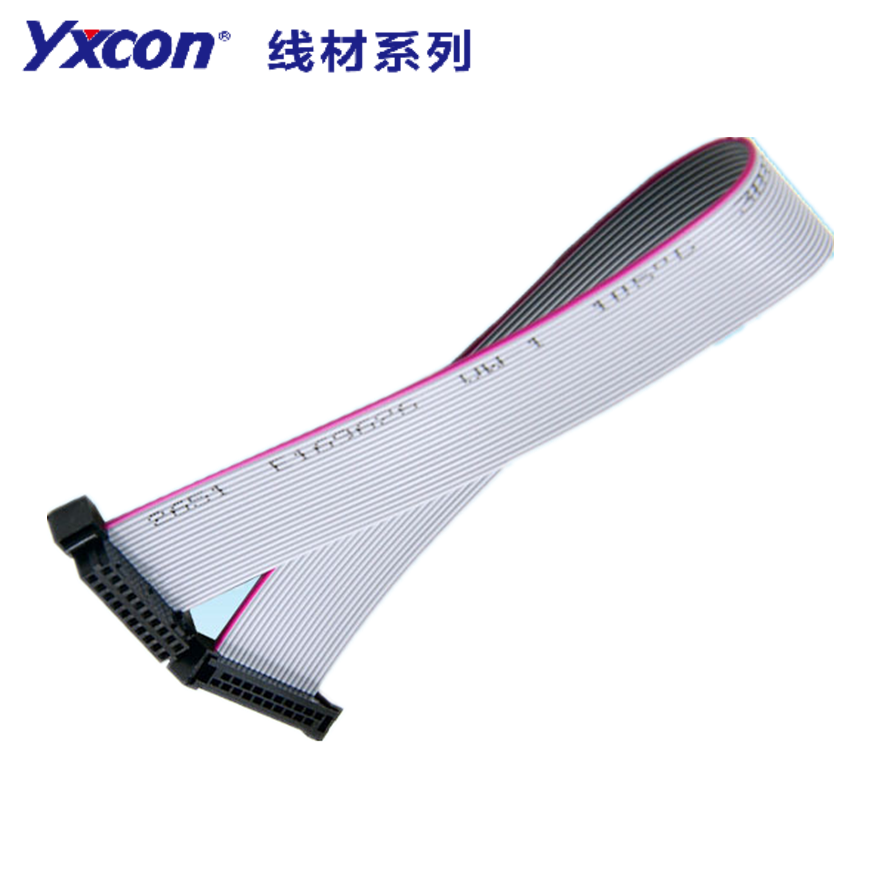
IDC ribbon cable connectors paired with box headers enable fast mass termination and assembly. For modules that need frequent service, three-piece IDC structures with elastic terminals improve mating life.
Select pin diameter and travel based on test pitch and current; use high-current Pogo Pins for power tests. Check spring life (100,000 cycles or more) and gold plating thickness to keep test data stable over long periods.
We use cookies to enhance your browsing experience and analyze site traffic. You can accept or reject non-essential cookies; your choice will be remembered.