
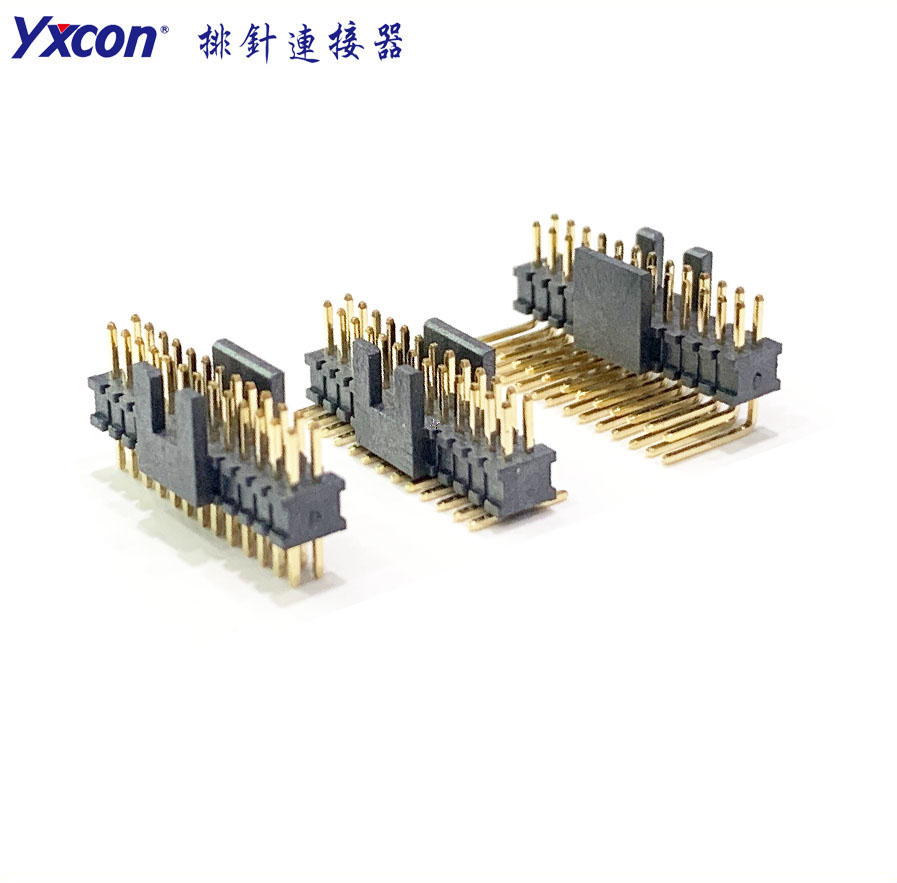
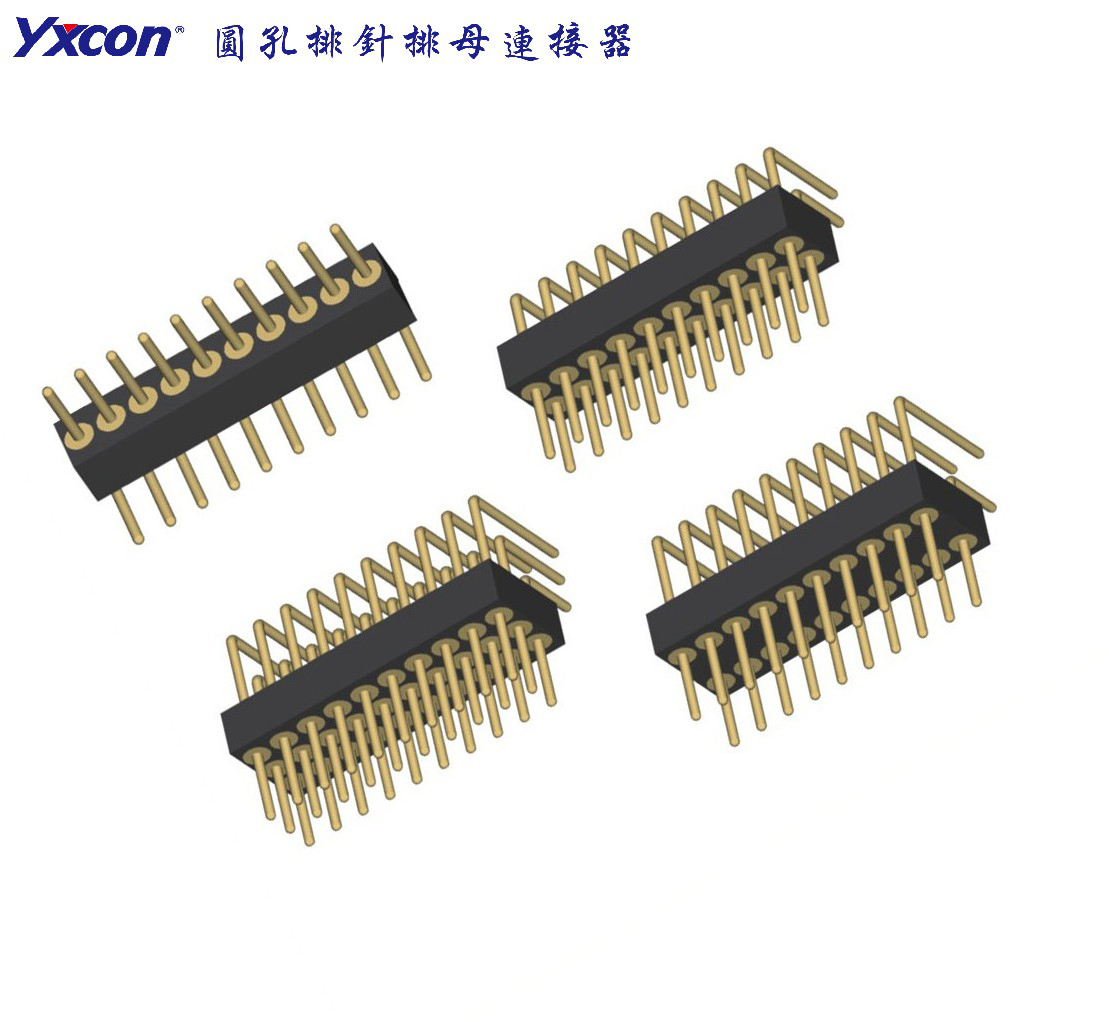
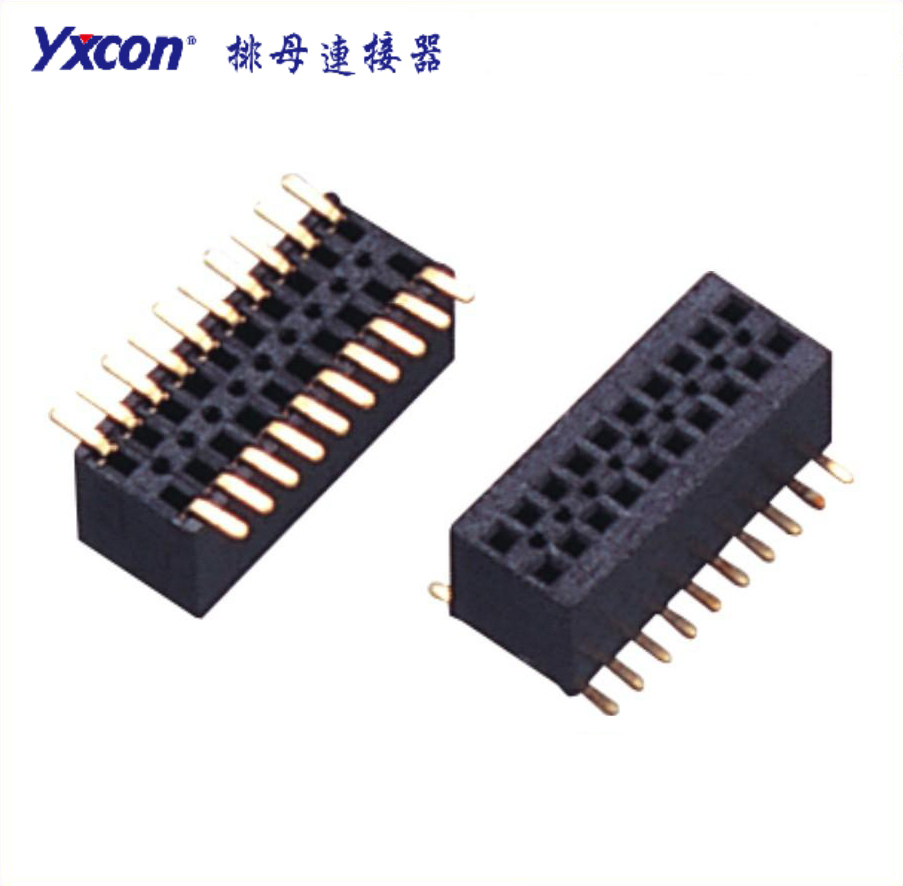
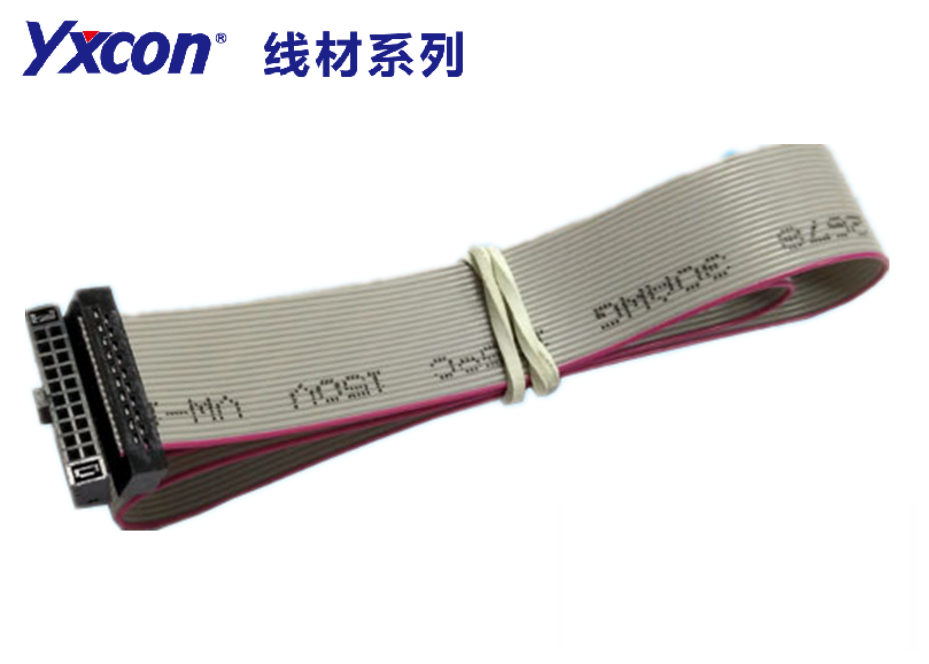





Executive Summary
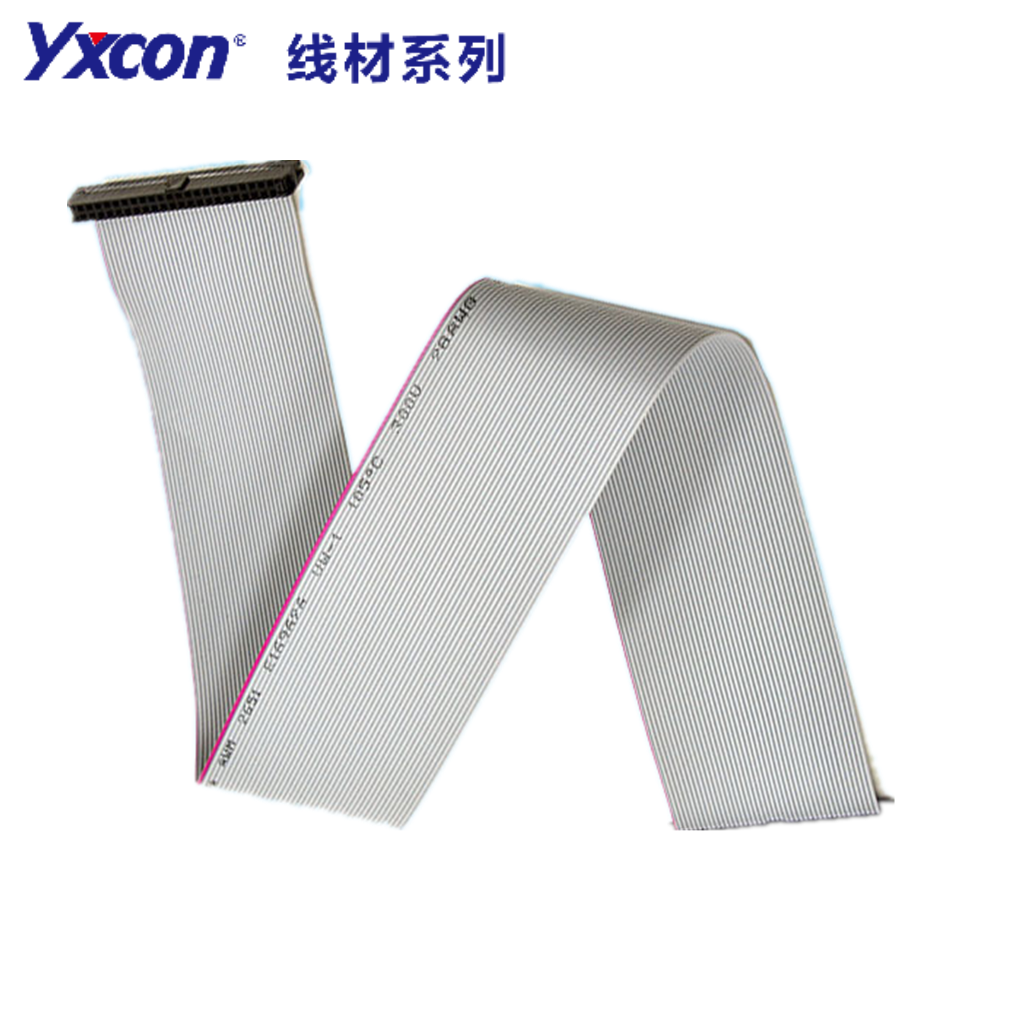
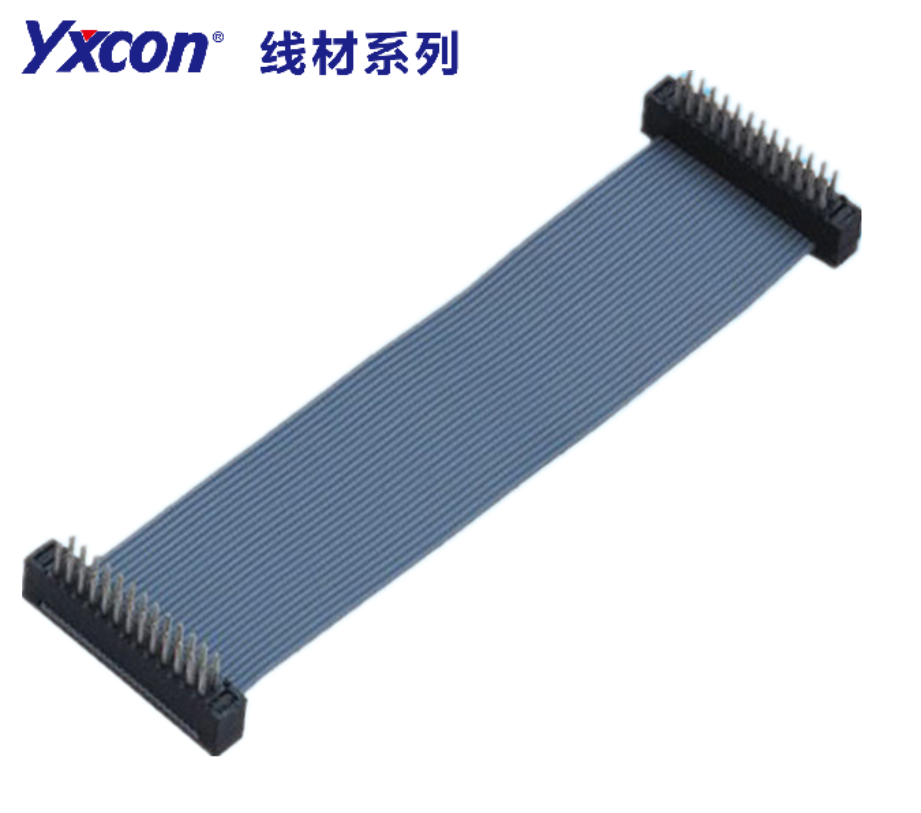
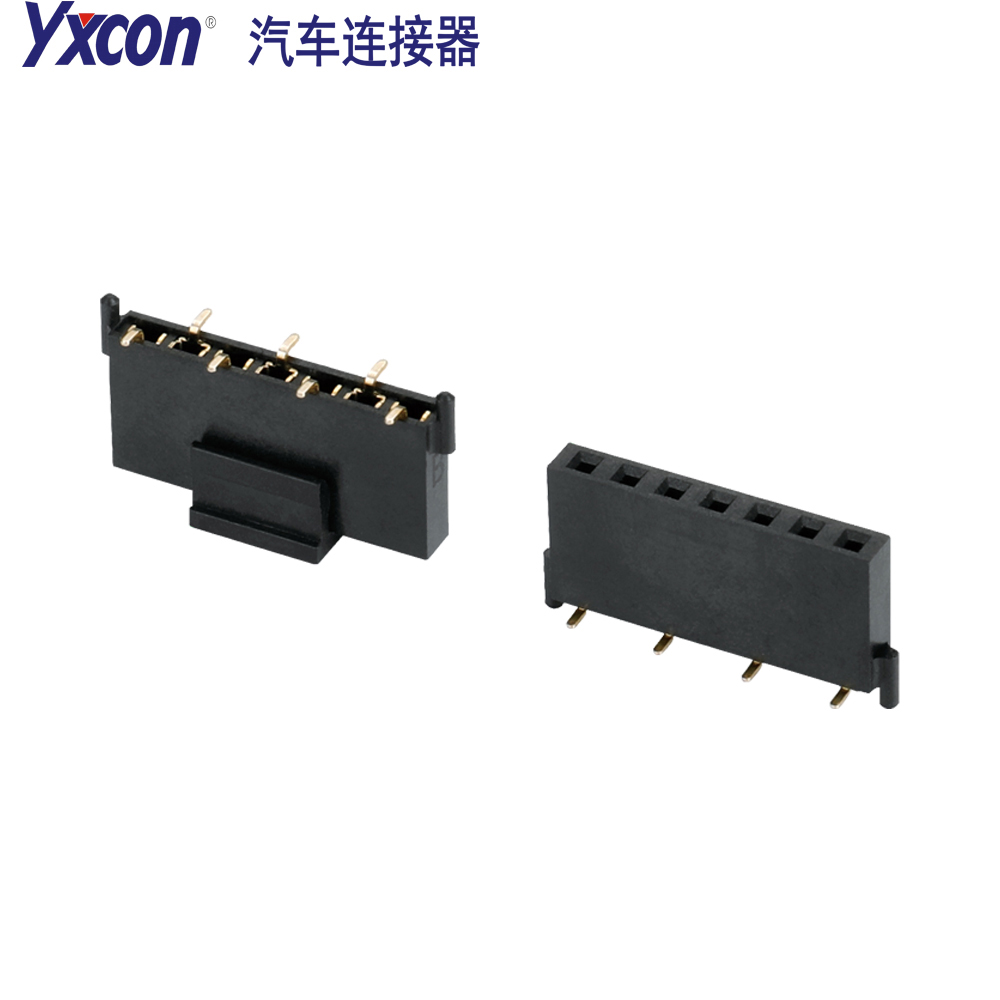
The pitch 1.27mm pin header connector is positioned as a standardized interconnect geometry that balances board real estate efficiency with manufacturability and ease of assembly. The new style designation implies an evolved variant of this widely understood pitch class, likely targeting improvements in contact reliability, insulator material performance, or compatibility with automated placement processes. This analysis situates the product within broader electronics industry trends, including miniaturization, higher pin counts, modular architectures, and pressure to reduce total cost of ownership across the product lifecycle. The primary data point available from the source is the pitch dimension itself, measured center-to-center at 1.27 millimetres, which serves as a concrete specification for engineers and procurement teams.
The strategic importance of the pitch 1.27mm pin header connector lies in its middle-ground position. It is finer than the legacy 2.54 millimetre pitch headers that have dominated through-hole and prototyping applications for decades, yet it is more forgiving than ultra-fine 0.8 millimetre or 0.5 millimetre pitch connectors often used in high-density mobile devices. This positioning gives the product relevance across industrial control, medical electronics, test and measurement equipment, and modular embedded systems. The following sections use PEST analysis, Porter's Five Forces, and a SWOT framework to examine how the new style pitch 1.27mm pin header connector may perform in an environment shaped by regulatory compliance, cost sensitivity, supply chain shifts, and rapid technology iteration.
Market Overview and PEST Analysis
Political and regulatory factors create a compliance-driven market context for the pitch 1.27mm pin header connector. Electronics manufacturing is subject to environmental directives that restrict hazardous substances and encourage lead-free soldering processes. A new style pitch 1.27mm pin header connector must therefore align with high-temperature reflow profiles and lead-free surface finishes. Trade policies and tariff structures also influence component sourcing decisions, as connector suppliers and end-product manufacturers evaluate regional assembly footprints. While the source does not provide specific regulatory figures, general industry knowledge indicates that material declarations, RoHS compliance, and REACH documentation are standard prerequisites for interconnect components sold into European and North American markets.
Economic factors reinforce the value proposition of a mid-pitch interconnect such as the pitch 1.27mm pin header connector. High-volume consumer electronics put continuous pressure on component cost, board area, and assembly throughput. Industrial and medical segments, by contrast, prioritize long-term reliability and serviceability over ultra-low cost. The 1.27 millimetre pitch reduces linear board footprint compared with the common 2.54 millimetre pitch, allowing more signals per unit length while still supporting automated optical inspection and rework. This cost-to-density balance matters in an environment where original equipment manufacturers seek to extend product lifecycles and avoid expensive board redesigns. Although no specific market size statistic is available from the source, the general direction of connector demand points toward finer pitches without abandoning proven through-hole and surface-mount formats.
Social and technological factors amplify the relevance of the new style pitch 1.27mm pin header connector. End users expect smaller, lighter, and more portable devices, which forces design teams to reclaim board space wherever possible. At the same time, engineering teams value connectors that maintain straightforward solder joint verification and mechanical robustness. The 1.27mm pitch sits at a practical intersection where manual probing, rework, and visual inspection remain feasible, while finer pitches often require more sophisticated X-ray inspection and precision tooling. The new style label may reflect design updates that address coplanarity, polarization, or anti-wicking features, all of which are general levers for improving assembly yield in mixed-technology boards.
Competitive Landscape and Porter's Five Forces
The competitive rivalry surrounding the pitch 1.27mm pin header connector is shaped by a large number of established connector manufacturers and broad second-source availability. This pitch is not proprietary in basic form, so differentiation often comes from subtle engineering choices such as contact geometry, insulator resin selection, plating thickness, and packaging format. A new style pitch 1.27mm pin header connector may compete on insertion force consistency, mating cycle durability, or compatibility with automated pick-and-place equipment. Rivalry is driven by price, lead time, quality consistency, and the ability to offer custom pin counts, stack heights, or shrouded versions. Without specific market share data in the source, the competitive intensity can be understood qualitatively as high but fragmented across standard interconnect catalogs.

The threat of new entrants is moderate because the basic product category has relatively low technical barriers for simple configurations, yet high-precision tooling and process control separate commodity suppliers from reliable volume suppliers. A new entrant can produce a basic pitch 1.27mm pin header connector, but achieving consistent coplanarity across multi-pin arrays and maintaining stable contact normal force over thousands of mating cycles requires disciplined manufacturing. The threat of substitutes is significant, stemming from flexible printed circuits, board-to-board mezzanine connectors, and finer pitch headers that offer higher density in specific applications. However, those substitutes often carry higher cost, lower reworkability, or reduced mechanical strength, which preserves a role for the pitch 1.27mm pin header connector in cost-conscious and serviceable designs.
Buyer power for the pitch 1.27mm pin header connector is relatively high in standard configurations because multiple suppliers offer interchangeable parts. This power can be moderated when buyers need the new style variant with unique keying, specialized plating, or extended operating temperature ratings. Supplier power tends to be lower for commodity versions of the connector and higher for application-specific or tightly controlled versions. The balance of these five forces suggests that sustainable advantage will come from application engineering, consistent quality data, and supply assurance rather than from the raw geometry alone.
SWOT Analysis for the New Style pitch 1.27mm pin header connector
Strengths of the new style pitch 1.27mm pin header connector begin with its established pitch standard, which simplifies board layout and gives designers access to a mature ecosystem of mating receptacles and tooling. The 1.27 millimetre pitch allows a denser signal path than the 2.54 millimetre legacy format while still accommodating robust pins and reliable solder fillets. The new style designation may bring improvements in contact retention, insulator strength, or automated placement features, which would enhance manufacturing yield. Another strength is versatility, since the pitch supports through-hole, surface-mount, and mixed assembly strategies across prototyping, low-volume, and high-volume production.
Weaknesses include the fact that the pitch 1.27mm pin header connector is not the densest option available. In space-constrained wearables or smartphones, designers often move to 0.8 millimetre or 0.5 millimetre board-to-board connectors that occupy less board area. The larger pin size and spacing can also introduce signal integrity challenges at higher data rates if the connector is used beyond its intended frequency range. The new style variant may still face perception as a legacy interconnect unless suppliers clearly document enhanced electrical or mechanical performance. Additionally, standard versions can be highly price sensitive, limiting margin potential for suppliers without differentiated features.
Opportunities for the pitch 1.27mm pin header connector emerge in industrial automation, medical devices, and modular embedded systems where serviceability, robust mechanical mating, and design reuse matter more than extreme miniaturization. The new style can be positioned as an upgrade path for existing 2.54 millimetre designs that need to add board density without a complete redesign to ultra-fine pitch. Growing demand for field-replaceable modules and test points also supports the use of pin headers with reliable manual mating. Environmental durability requirements in harsh applications may favor a connector with larger pins and easier cleaning compared with fine-pitch mezzanine connectors.
Threats include substitution by FPC connectors, board-to-board mezzanine systems, and increasingly affordable fine-pitch headers that continue to shrink. Automated assembly trends may also shift toward connectors with tighter positional tolerances and tape-and-reel packaging that favor surface-mount formats, potentially reducing through-hole usage in high-volume consumer products. Supply chain volatility and raw material cost fluctuations for copper alloys and high-temperature thermoplastics can compress margins for standard pitch 1.27mm pin header connector products. Competitors may also introduce similar new style improvements, eroding any first-mover advantage quickly.
Trend Analysis and Technology Roadmap
The dominant technology trend affecting the pitch 1.27mm pin header connector is continuous miniaturization paired with the need for reliable mechanical connections in mixed-technology boards. Designers often



