





Understanding the Horn Connector: Starting from the Two Ears
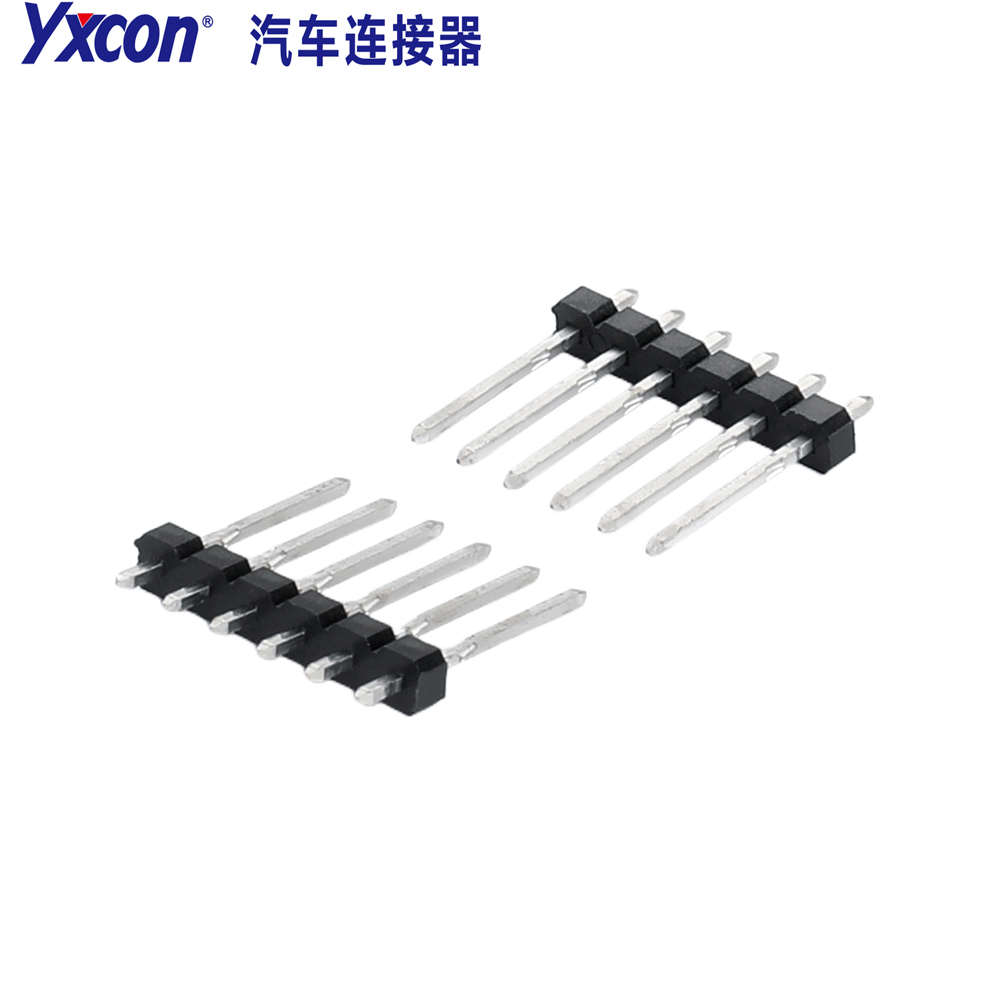
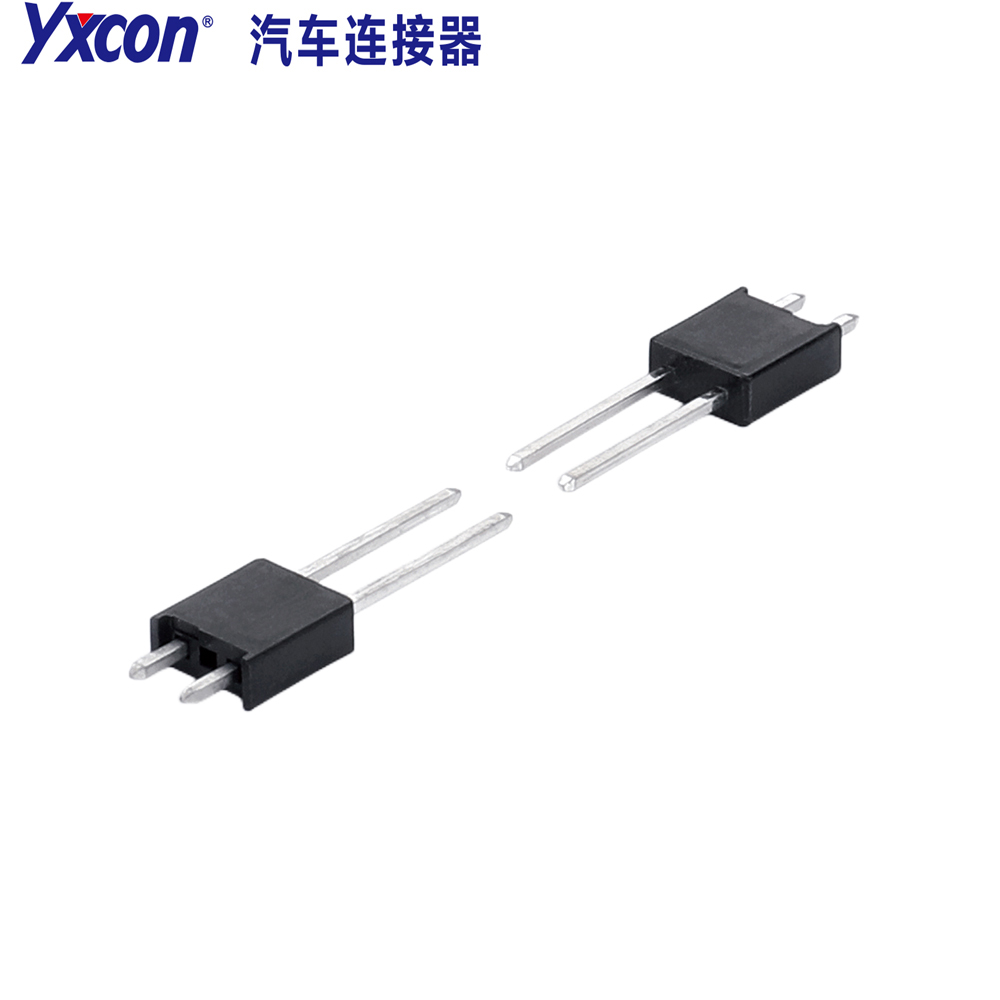
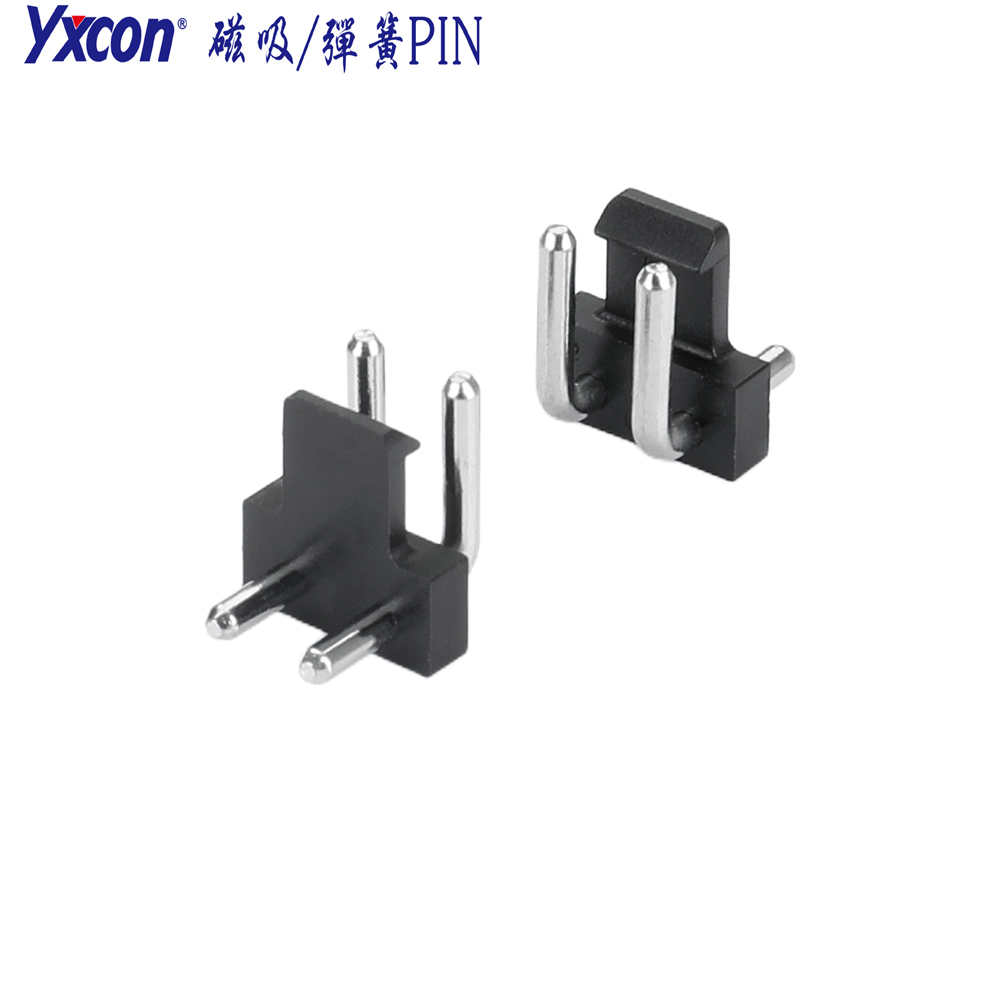
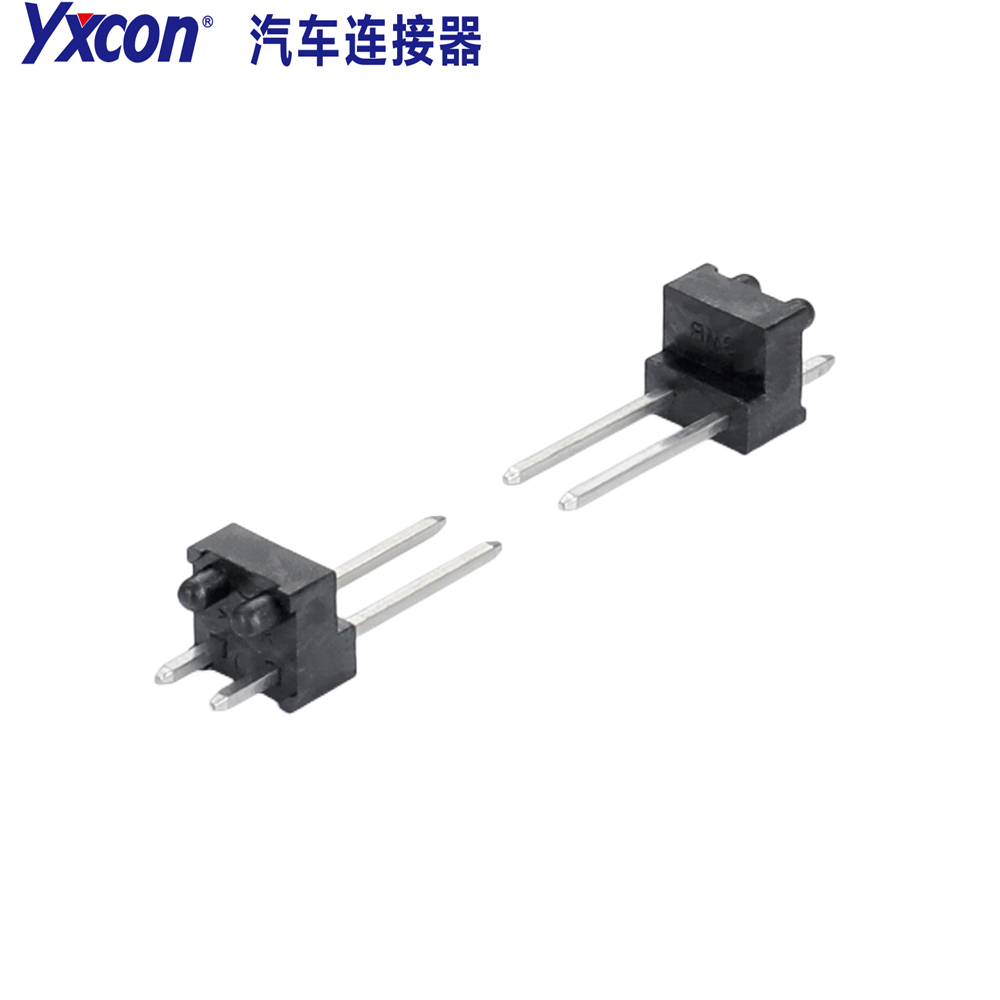
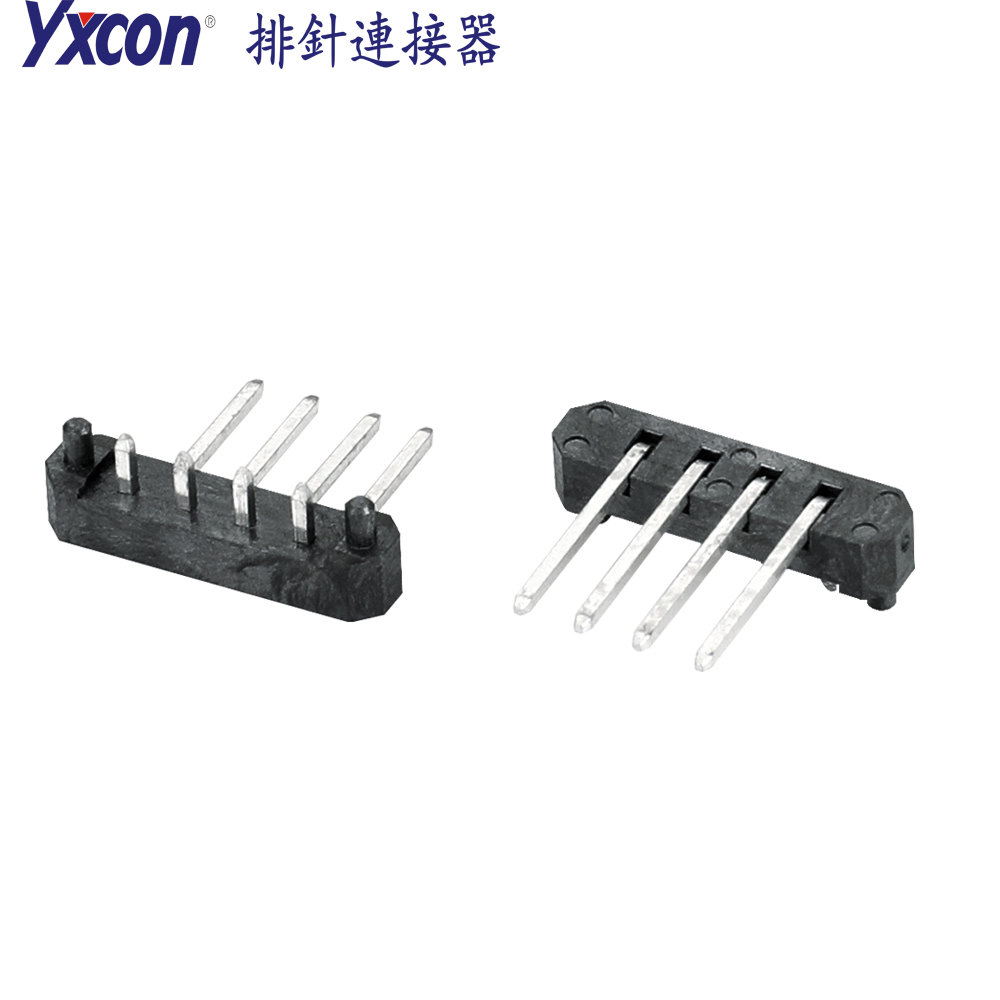
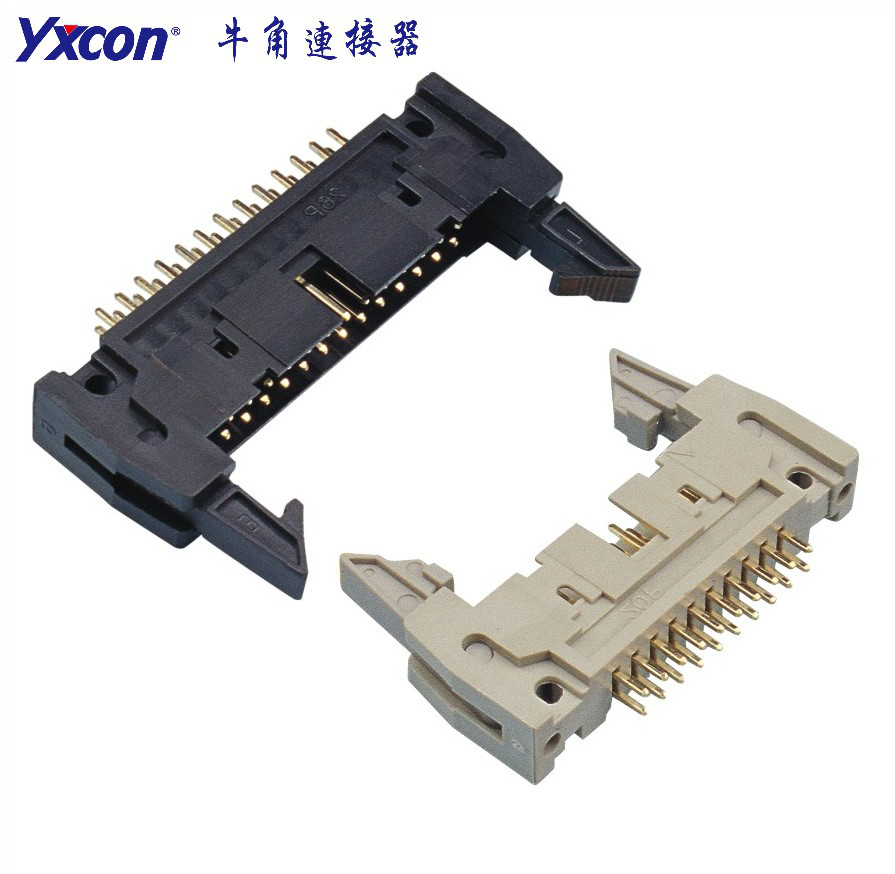
In the vast family of electronic connectors, the horn connector is a highly recognizable category. Its most intuitive feature is the two horn-like ears, divided into long ears and short ears, and it is precisely this pair of ears that earned it the vivid name "horn." Structurally, the horn connector is a very simple internal wiring device; its value lies not in complexity, but in realizing reliable electrical connections in a concise and easy-to-use manner. For equipment requiring batch wiring, frequent maintenance, or with limited space, this simplicity is precisely why it is widely adopted.
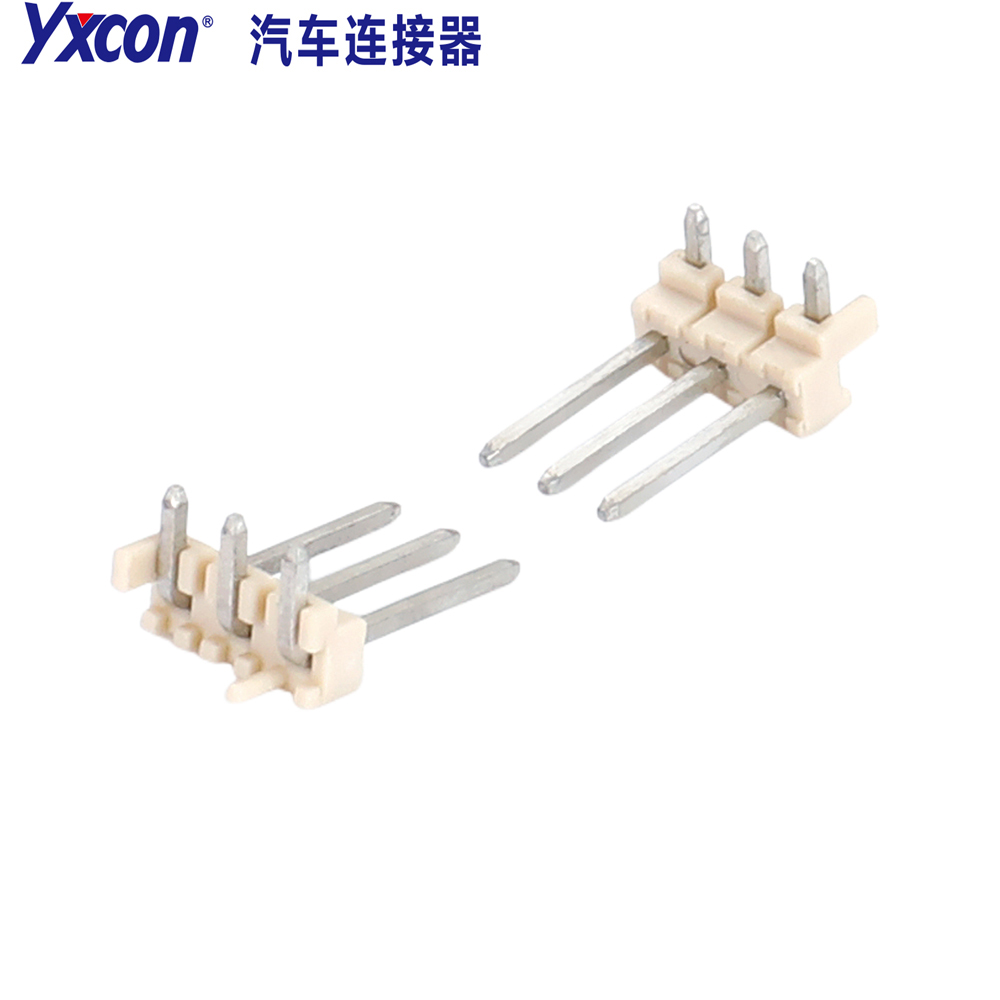
To understand the horn connector, one must first understand its classification logic. By PIN pitch, the market offers horns with a pitch of 1.27MM, 2.0MM, and 2.54MM, with different pitches corresponding to different pin densities and installation space requirements. By connection method, they can be divided into three major categories: straight plug (180 degrees), right-angle plug (90 degrees), and SMD. Combined, these three dimensions form the basic coordinates for horn connector selection and determine its adaptability in specific projects. The protagonist of this discussion is precisely the widely applied 2.54mm pitch horn connector.
Why the 2.54mm Pitch Horn Became the Universal Choice
The reason the 2.54mm pitch horn connector stands out among numerous pitch specifications lies in its high compatibility with common circuit board routing conventions. The 2.54mm pitch is extremely common in electronic design, meaning engineers have more ample routing space during layout, and the fault tolerance for soldering and repair is also higher. For connection needs requiring 6 to 64 pin positions, the 2.54mm pitch horn can cover multiple scenarios from small-to-medium-scale signal transmission to multi-channel internal wiring, and the flexibility in pin count allows the same series to serve equipment of different complexity.
In practical applications, the value of the 2.54mm pitch horn connector is reflected in connection stability and operational convenience. Its rated current is 1.00AMP, contact resistance maximum 20mΩ, insulation resistance minimum 1000MΩ, and withstand voltage reaches AC 500V per minute; these parameters together form its reliable foundation for internal wiring in conventional electronic equipment. Combined with an operating temperature range of -40 to +105, whether inside digital products at room temperature or in industrial sites with large temperature fluctuations, the 2.54mm pitch horn can maintain stable connection performance and reduce maintenance costs caused by poor contact.
Horn Connector 180 Degrees: The Typical Logic of the Straight Plug Solution
Horn connector 180 degrees refers to the straight plug structure, i.e., the connector is mounted perpendicular to the circuit board, with the pin direction at a right angle to the board surface. The advantage of this form is that the board surface projection area occupied is relatively concentrated, suitable for arranging wiring in the depth direction inside equipment, especially in cases where the internal space of the chassis needs to extend upward or lead out to the side; the horn connector 180 degrees can provide a clear wiring route. For structures requiring vertical insertion/removal or operation from above during maintenance, the straight plug solution often conforms more to ergonomic operating habits than the right-angle plug.
From a production perspective, the straight plug form of the horn connector 180 degrees is relatively friendly to the insertion process; the pins vertically pass through the PCB holes and are then soldered, making the process path intuitive. With insulator heights available in multiple specifications such as 4.9mm, 5.5mm, 5.7mm, 6.5mm, 7.3mm, 9.0mm, and 9.4mm, engineers can flexibly choose according to component height, housing clearance, and heat dissipation requirements. This selectivity in height allows the horn connector 180 degrees to adapt to internal stacking designs of equipment with different thicknesses without compromising the overall structure for a single height.
Right-Angle Horn Connector: The Flexible Complement of Right-Angle Plug and SMD
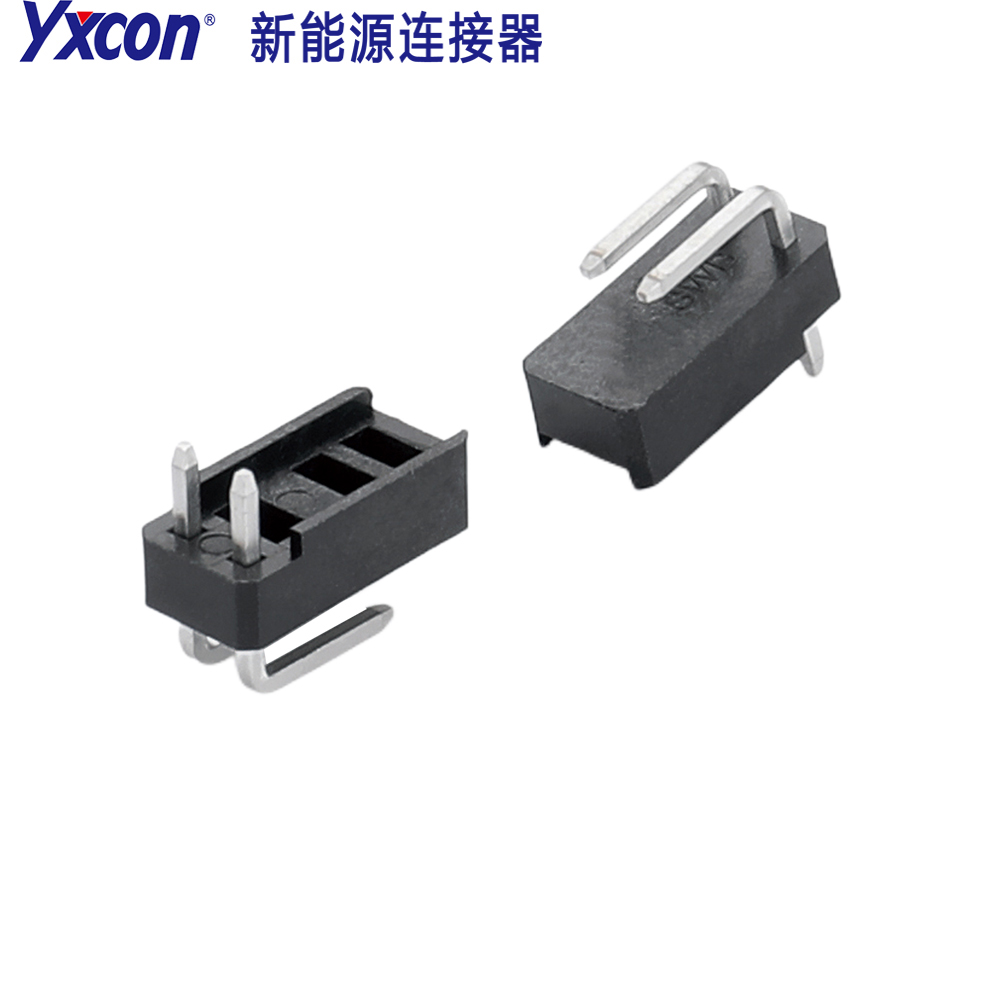
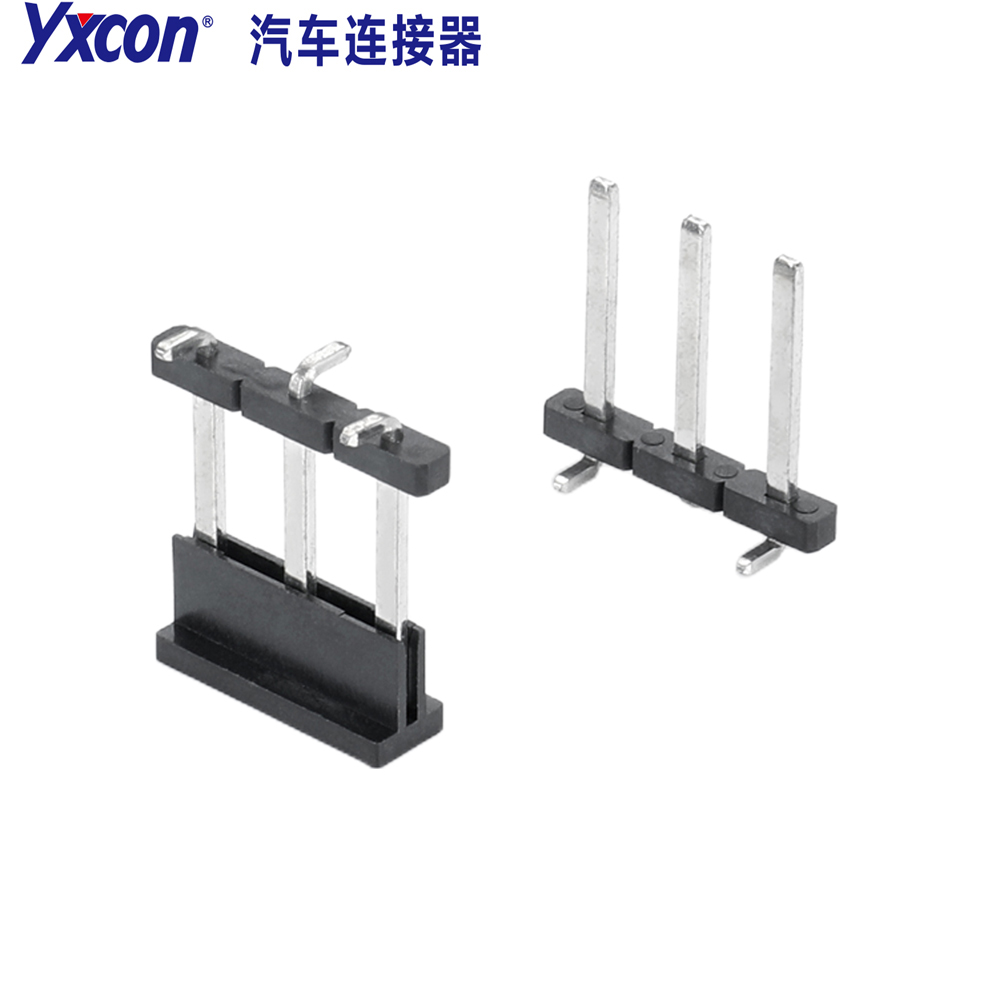
The right-angle horn connector corresponds to the right-angle plug (90 degrees) form, with pins led out from the side of the connector and parallel to the board surface. This structure is particularly practical in scenarios with limited space or requiring lateral cable exit. When the internal height of the equipment is insufficient, or when wiring needs to extend along the board surface direction, the right-angle horn connector can effectively reduce overall height occupation and guide the wiring path in a more suitable direction. It complements the horn connector 180 degrees: one handles vertical connections, the other handles horizontal routing, together covering the complex wiring needs inside equipment.
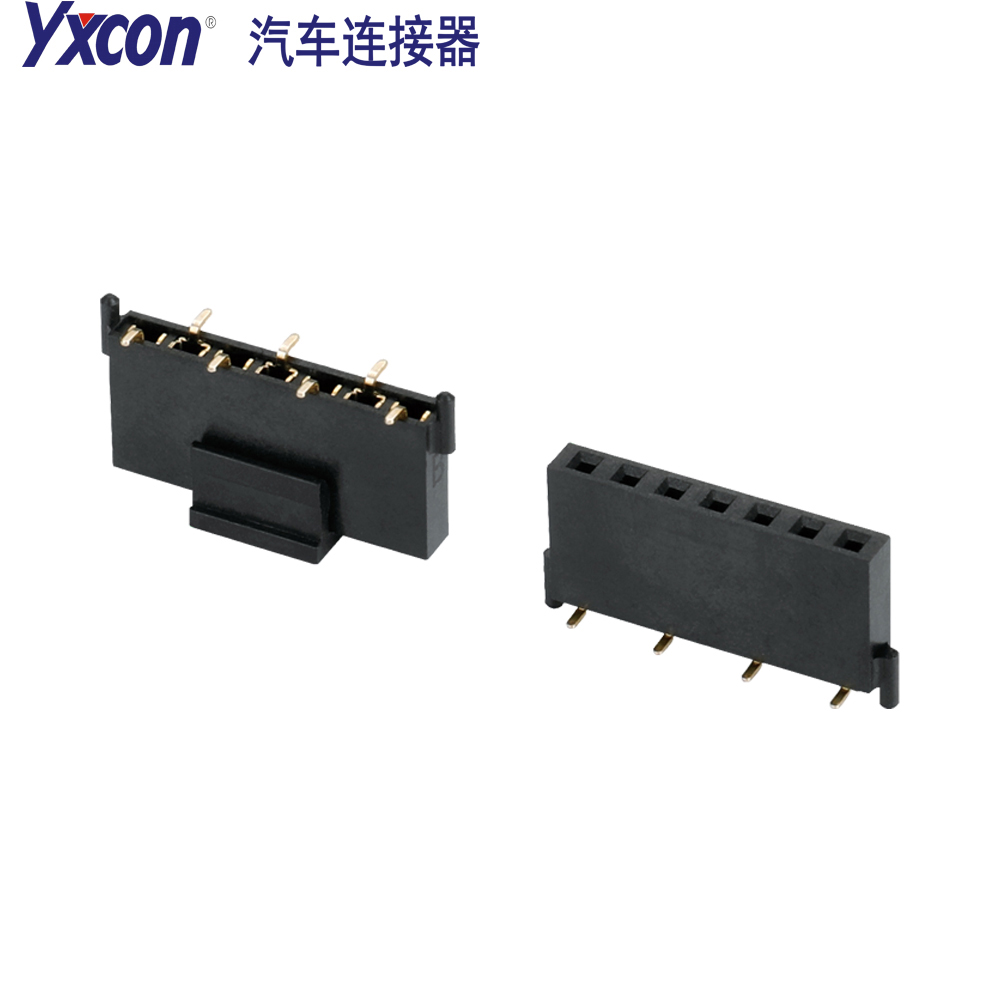
In addition to the right-angle plug, the SMD form is also an important branch of the horn connector. The SMD horn connects to the circuit board via surface mounting, suitable for automated placement production lines, helping to improve production efficiency and reduce insertion processes. The existence of the right-angle horn connector and the SMD solution shows that the horn connector is not a standard part of a single form, but a product series that can be selected in combination according to installation direction, space constraints, and production process. The optional directions of straight, SMD, U-shaped, and right-angle are a direct manifestation of this flexibility.
PBT Material and Contacts: The Invisible Foundation of Reliability
In the performance composition of connectors, insulator materials are often less eye-catching than pins, yet they directly relate to the products temperature resistance, flame retardancy, and long-term stability. PBT is one of the optional insulator materials for horn connectors, and together with materials such as PA6T, PA9T, LCP, PA66, PPS, and PA115, it forms the material selection spectrum. PBT material has a mature application foundation in the connector field, capable of meeting the requirements of conventional electronic equipment for insulator strength and molding precision, while the materials flame retardant rating reaches UL94V-0, providing a layer of protection for equipment safety.
In terms of contacts, the horn connector uses brass as the contact material, with plating options of gold (Au) or tin (Sn), and nickel (Ni) as the underplating layer. The tin plating specification is 0.8u; this combination strikes a balance between cost and performance, ensuring both the conductivity and oxidation resistance of the contact surface while accommodating different customers process preferences. Whether choosing PBT insulator with tin-plated contacts or adjusting the material and plating combination according to special requirements, the horn connector retains room to accept customers special requirements, allowing it to integrate into the differentiated designs of different industries.
Application Landscape: From Computer Equipment to New Energy Products
The application fields of horn connectors cover multiple directions including computer equipment, industrial automation equipment, digital products, security equipment, electronic instruments, new energy products, and medical devices. This broad applicability is not accidental but determined by its positioning as an internal wiring device. In any occasion where multiple signals or power need to be reliably connected inside equipment and wiring operations are expected to be simple and direct, the horn connector has room to perform. The 2.54mm pitch horn, with its universal pitch advantage, undertakes a large number of standardized connection tasks in these fields.
In different industries, the focus of selection varies. Industrial automation equipment pays more attention to temperature range and the stability of contact resistance; medical devices have more detailed considerations for materials and flame retardant ratings; new energy products value the reliability of connections during long-term operation. The combination of horn connector 180 degrees, right-angle horn connector, and SMD form allows the same product series to enter these scenarios with different installation methods. The selectability of insulator materials such as PBT also allows it to adapt to the differentiated requirements of different equipment for plastic part performance.
Selection and Delivery: Turning Details into Executable Solutions
For a specific project, the selection of horn connectors can proceed from several clear dimensions. First determine the PIN pitch: the 2.54mm pitch horn is suitable for general wiring needs; then determine the connection method: the horn connector 180 degrees is suitable for vertical insertion/removal, the right-angle horn connector is suitable for lateral cable exit, and the SMD form matches automated placement production lines; then determine the number of pin positions: the 6 to 64p range covers most internal wiring scales; finally confirm the insulator height, color (black or gray), number of rows (single row or double row), and contact plating. The choice of materials such as PBT is decided according to the equipments operating environment and safety requirements.
The delivery stage also reflects the maturity of the product. Horn connectors support multiple packaging methods such as tube packaging, PE bags, tape and reel, tube packaging + CAP, plastic boxes, and trays; different types of pin headers use different packaging methods to adapt to different production lines and warehousing habits. Shipping ports include Shenzhen, Hong Kong, and Guangzhou, providing logistical convenience for customers in different regions. These seemingly back-end details actually directly affect customers production line rhythm and inventory management efficiency, and are also an important basis for evaluating whether a connector supply solution is complete.
Grasping the Connection Certainty Brought by the 2.54mm Pitch Horn
From the identifying feature of the two horn-like ears, to the morphological differentiation of straight plug, right-angle plug, and SMD, and then to the performance support of materials such as PBT, the product logic of the horn connector is clear and pragmatic. The 2.54mm pitch horn connector lowers the selection threshold with its universal pitch, the horn connector 180 degrees satisfies depth wiring with vertical straight plug, the right-angle horn connector resolves space constraints with lateral cable exit, and PBT material provides a mature choice for insulator reliability. When internal equipment wiring needs a simple, stable, and flexibly combinable solution, this product series has already given a clear answer.


