






Executive Summary
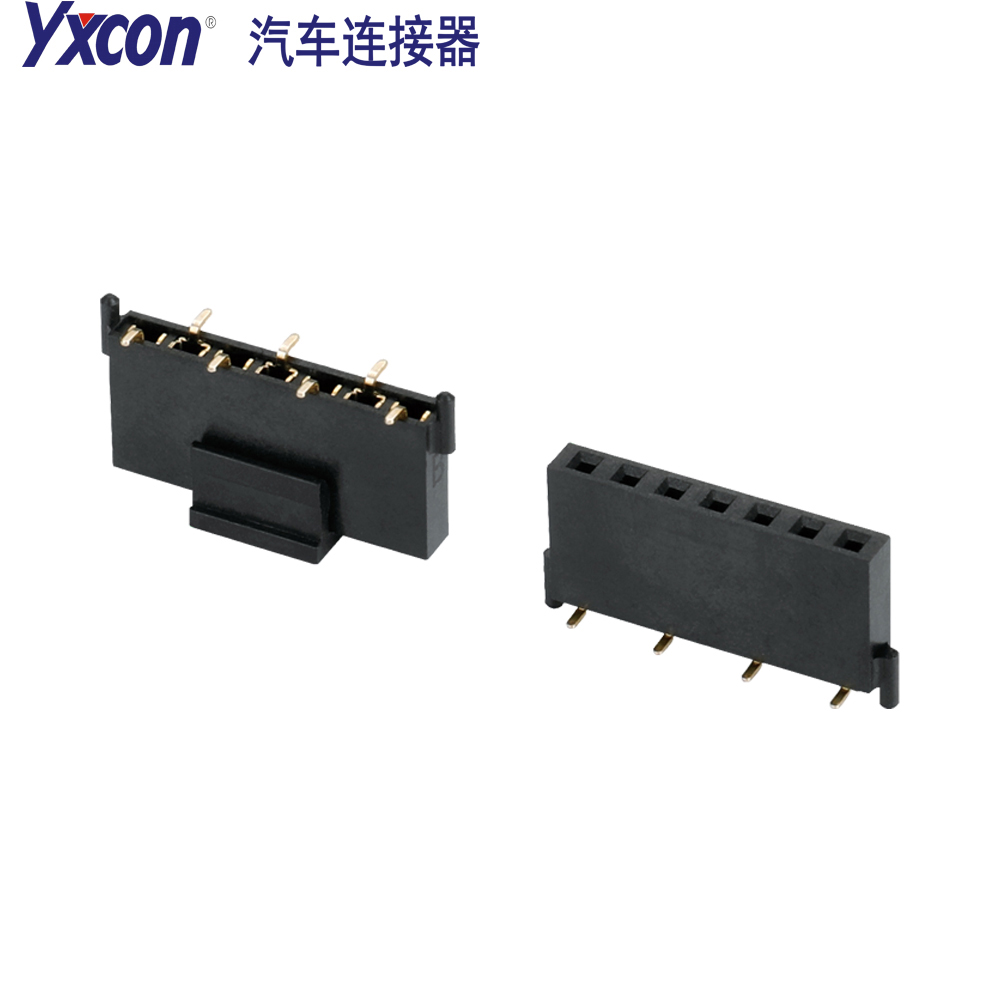
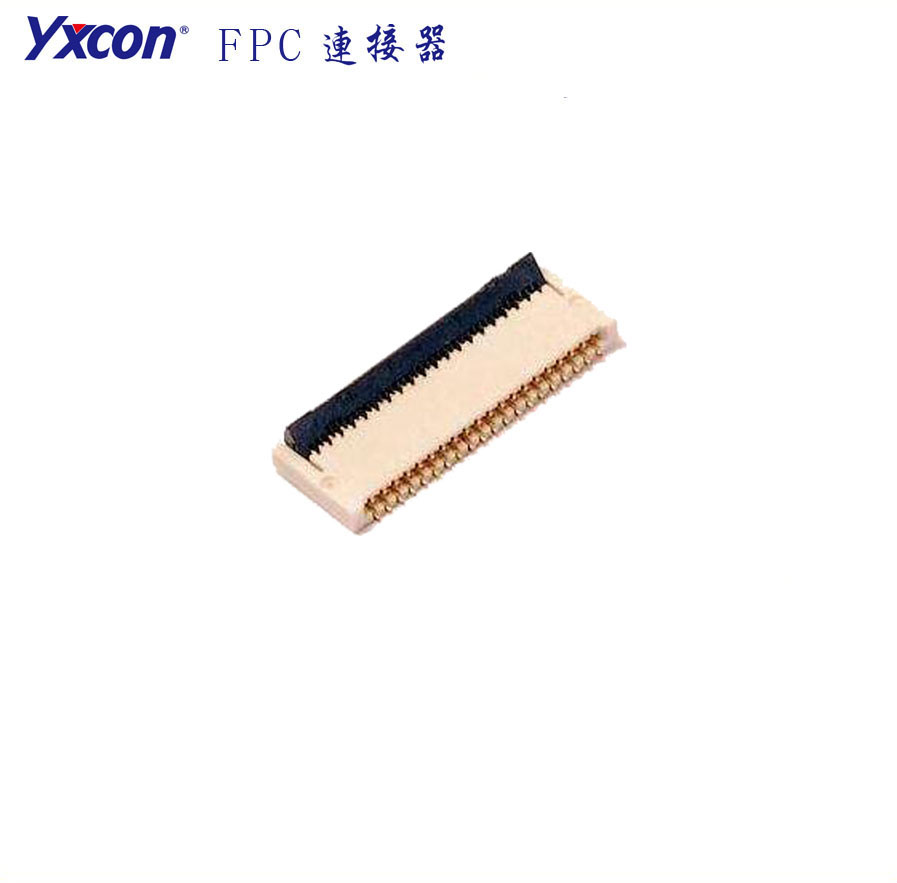
The 0.3mm pitch FPC connector is a precision component used for electrical connection between flexible printed circuit boards and rigid circuit boards. Its pin pitch is only 0.3 millimeters, its overall height is controlled at 1.2 millimeters, and it adopts a back-cover structure. This combination of product parameters points to an internal interconnection solution for highly compact electronic devices, commonly found in scenarios such as smartphones, tablets, wearable devices, and miniature sensor modules. The back-cover design usually means that the connectors flip cover or pressing cover is located behind the contact area, which facilitates low-profile fixation of cables or flexible boards in narrow spaces and also facilitates positioning and pressing during automated assembly. From an industry strategic perspective, this product is in the high-density interconnection track within the electronic components niche market, and its development is directly driven by the trend toward thinner and lighter terminal devices.
The key point of the executive summary is to identify its core value proposition, namely to provide reliable signal and power connections with an extremely small physical size while meeting the strict requirements of modern electronic manufacturing for precision and efficiency. In the absence of specific enterprise sales data, this report does not introduce fabricated figures, but instead judges from product technical parameters and general industry patterns that its target customers are mid-to-high-end electronic product manufacturers that are highly sensitive to internal space. Subsequent chapters will carry out systematic analysis from the levels of macro environment, competitive structure, technological evolution, and strategic choices, providing structured reference for relevant decision-makers.
Market Overview
Examining the macro environment of this product from the PEST framework reveals multiple influencing factors. In terms of politics and regulations, laws and regulations restricting hazardous substances in major global electronic manufacturing regions are becoming increasingly strict. For example, the EU RoHS Directive and REACH Regulation set clear upper limits on lead, mercury, cadmium, and certain halogen compounds in connector materials, which prompts 0.3mm pitch FPC connectors to adopt environmentally friendly materials such as lead-free plating and halogen-free plastics, thereby increasing raw material certification costs and process switching difficulty, but also promoting the upgrading of the entire industry toward green manufacturing. In economic terms, the global consumer electronics market has cyclical fluctuation characteristics. Smartphone shipments have entered a plateau after rapid growth, but emerging categories such as wearable devices, true wireless earphones, and smart home sensors maintain relatively rapid expansion, providing an important incremental source for miniature FPC connectors. In social terms, users expectations for portability, battery life, and functional integration of electronic devices continue to rise, forcing designers to arrange more components in increasingly limited internal volume, which directly amplifies the demand elasticity for connectors with pitches of 0.3 millimeters and below. In technological terms, continuous progress in high-precision mold processing, high-speed stamping, micro-injection molding, and automated optical inspection technology has gradually matured the mass production and yield control of 0.3mm pitch FPC connectors, but tolerance accumulation and coplanarity control remain key challenges in the manufacturing process.
The market capacity of this product cannot be obtained from a single source, but it can be reasonably inferred that the flexible board connector category to which it belongs occupies an important share of the consumer electronics connector market. Compared with front-cover or drawer-type solutions, the back-cover structure has a natural advantage in the thickness direction and is particularly suitable for application scenarios with limited total height, such as the internal stacking of ultra-thin smartphones, flexible circuit transfer in smartwatches, and the temple folding mechanisms of AR glasses. Because the source only provides the product name without specific sales volume or price data, this report avoids introducing any fabricated statistics and judges only from product parameters and industry common sense that its demand is mainly concentrated among mid-to-high-end consumer electronics brands and contract manufacturers with relatively high-precision assembly capabilities.
Competitive Landscape
Using Porters Five Forces model, the competitive structure in which this product is situated can be systematically analyzed. In terms of supplier bargaining power, the high-precision copper alloy strips, high-temperature-resistant engineering plastics, high-speed precision stamping equipment, and automated assembly lines required for 0.3mm pitch FPC connectors are mainly provided by a small number of specialized material suppliers and equipment suppliers. These upstream segments have certain technical barriers and certification thresholds, and supplier bargaining power is at a medium-to-high level. In terms of buyer bargaining power, large consumer electronics brands and contract manufacturers usually adopt centralized procurement and multi-source certification strategies and have strong bargaining power over connector prices, delivery cycles, quality consistency, and technical support, forcing connector manufacturers to maintain high-pressure investment in cost control and continuous improvement. In terms of the threat of new entrants, this product requires precision mold design, micron-level stamping or etching, thin-wall injection molding, and high-precision automated assembly and inspection capabilities. The initial investment scale and technology accumulation cycle are relatively long, making it difficult for new enterprises to form effective competitiveness in the short term. In terms of the threat of substitutes, board-to-board connectors, direct pad soldering, and smaller-pitch 0.25mm or 0.2mm solutions may form partial substitutes, but in terms of cost, reliability, repair convenience, and supply maturity, 0.


