





Executive Summary
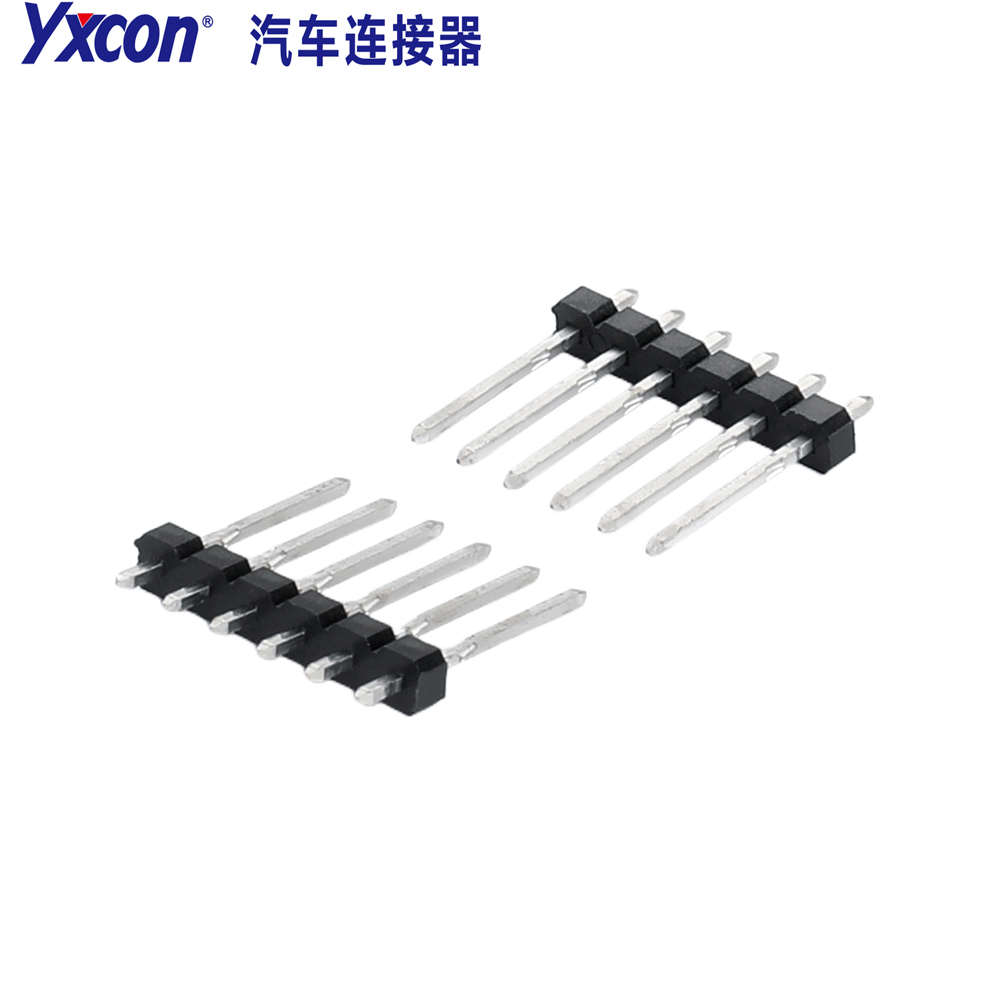
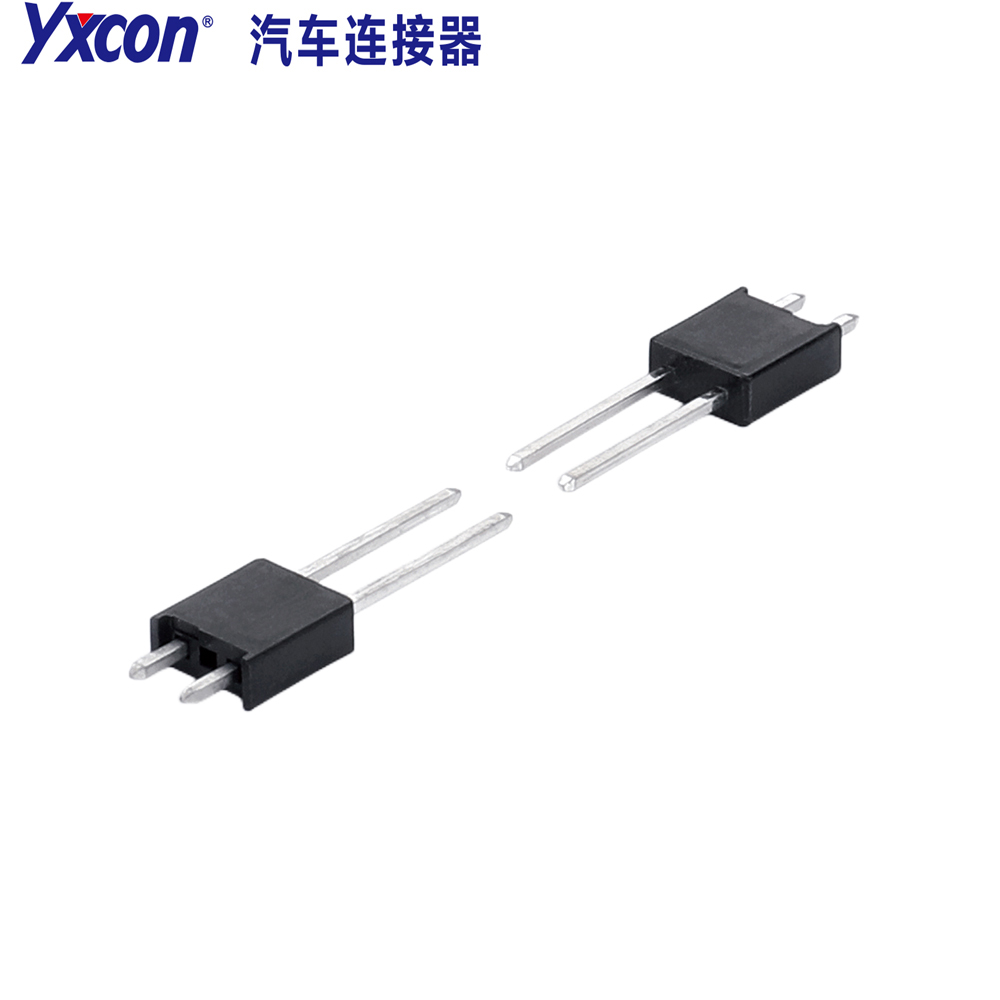
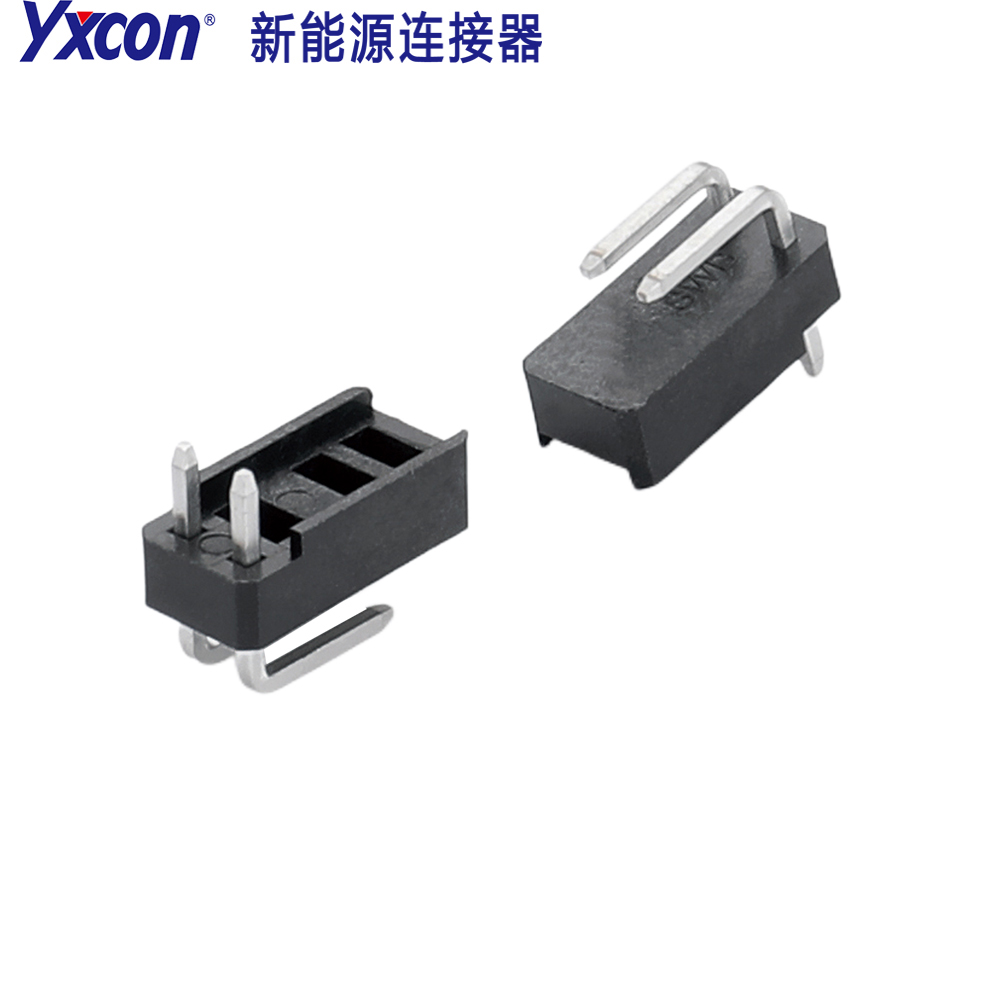
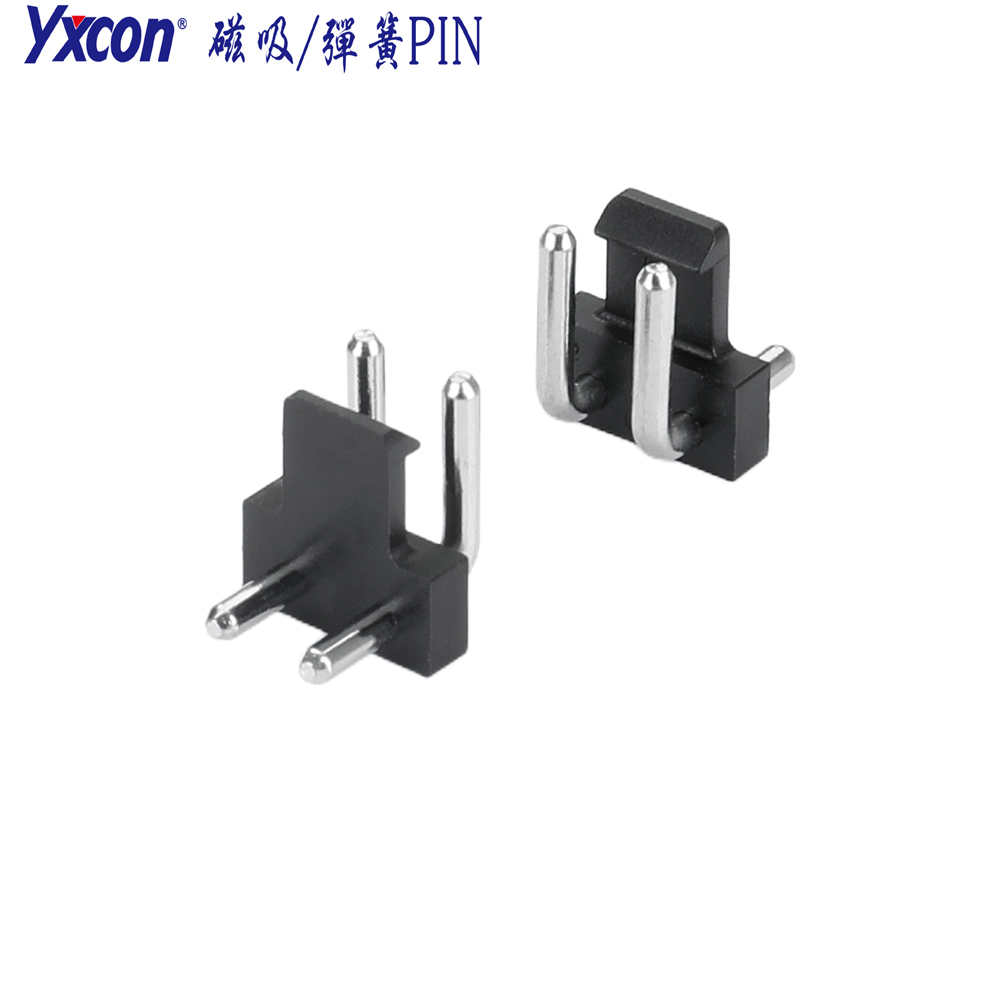
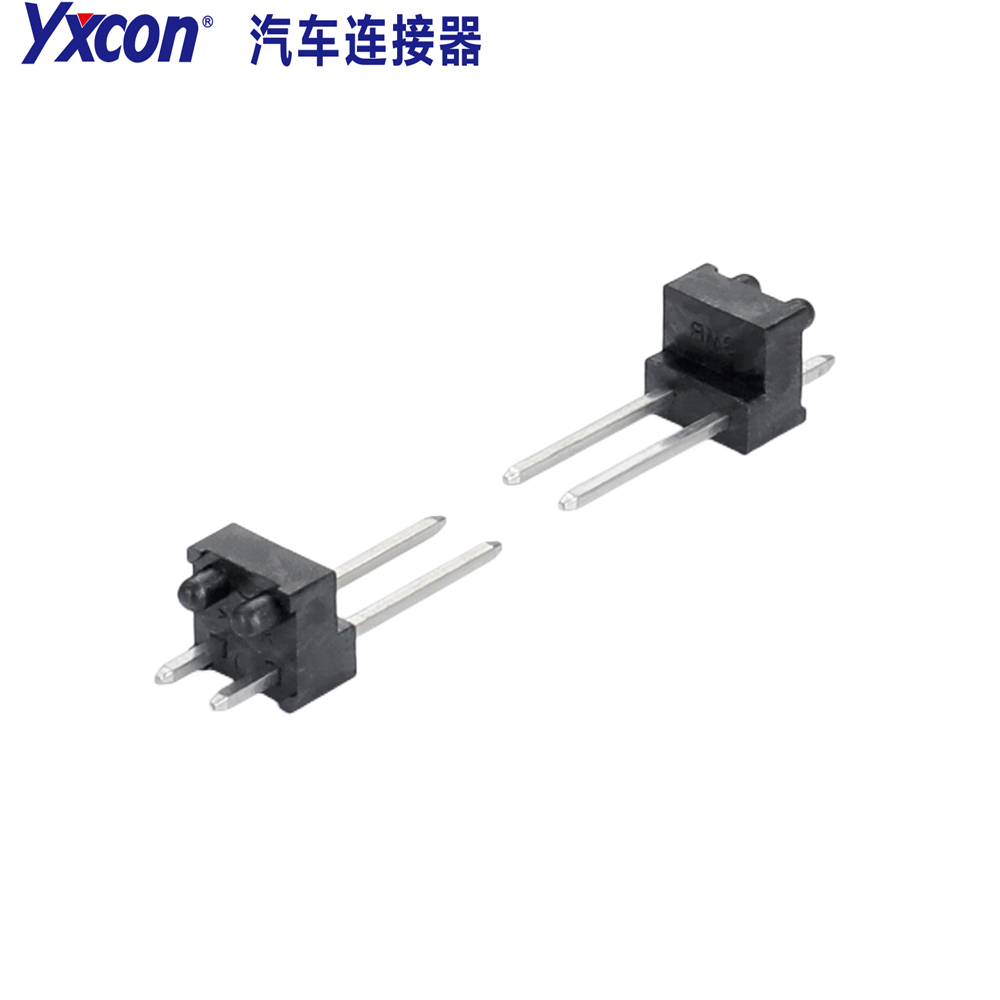
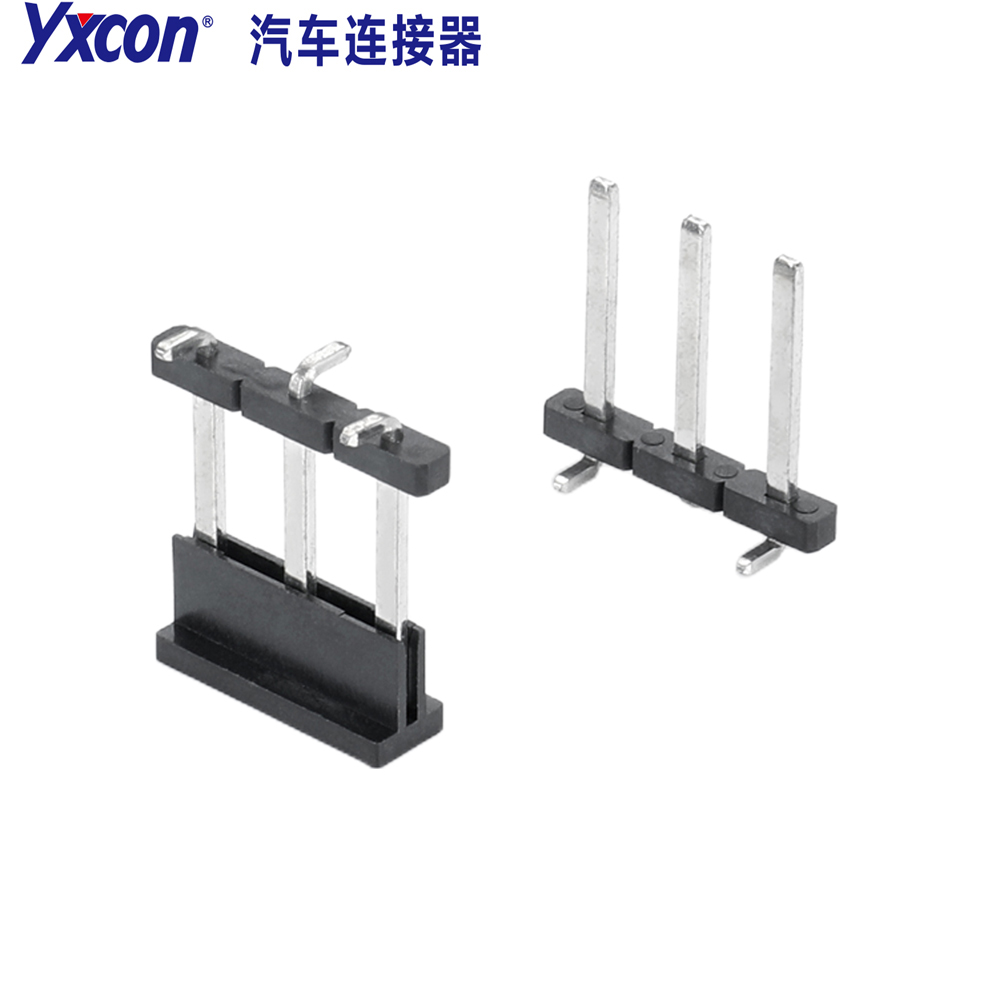
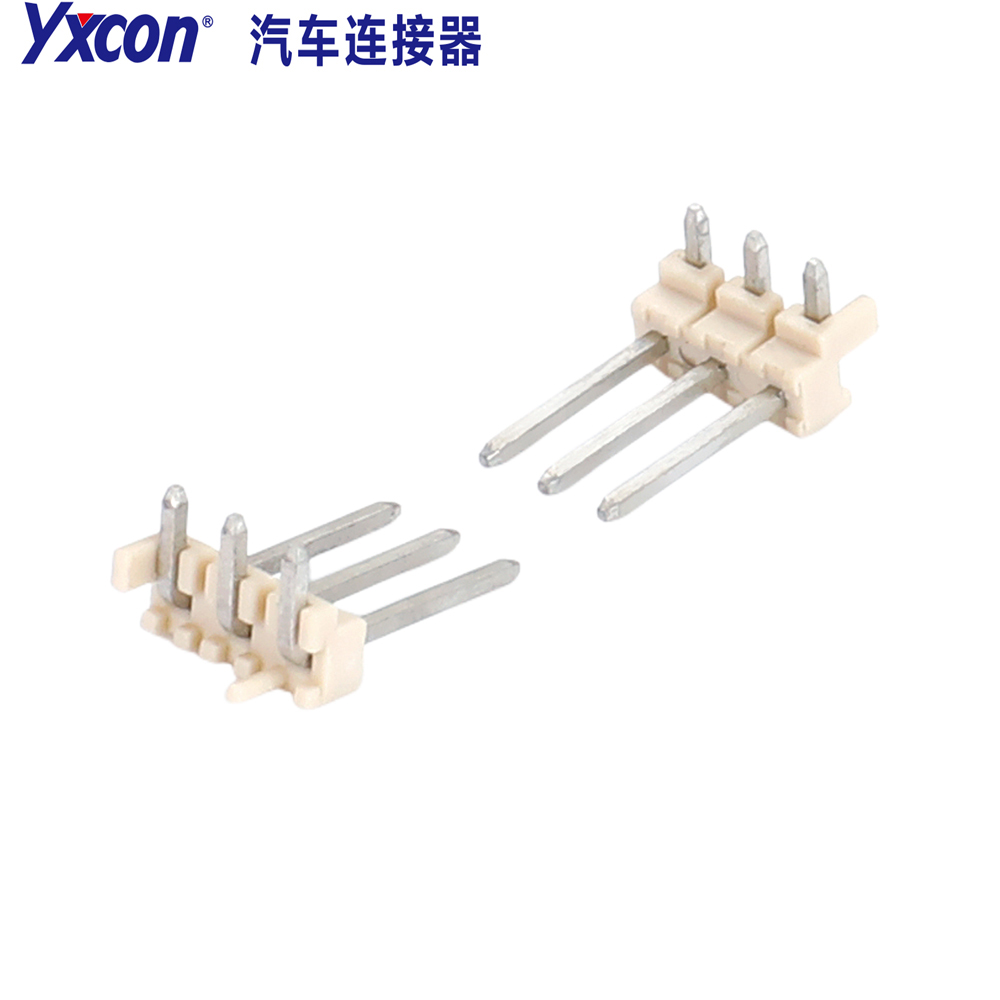
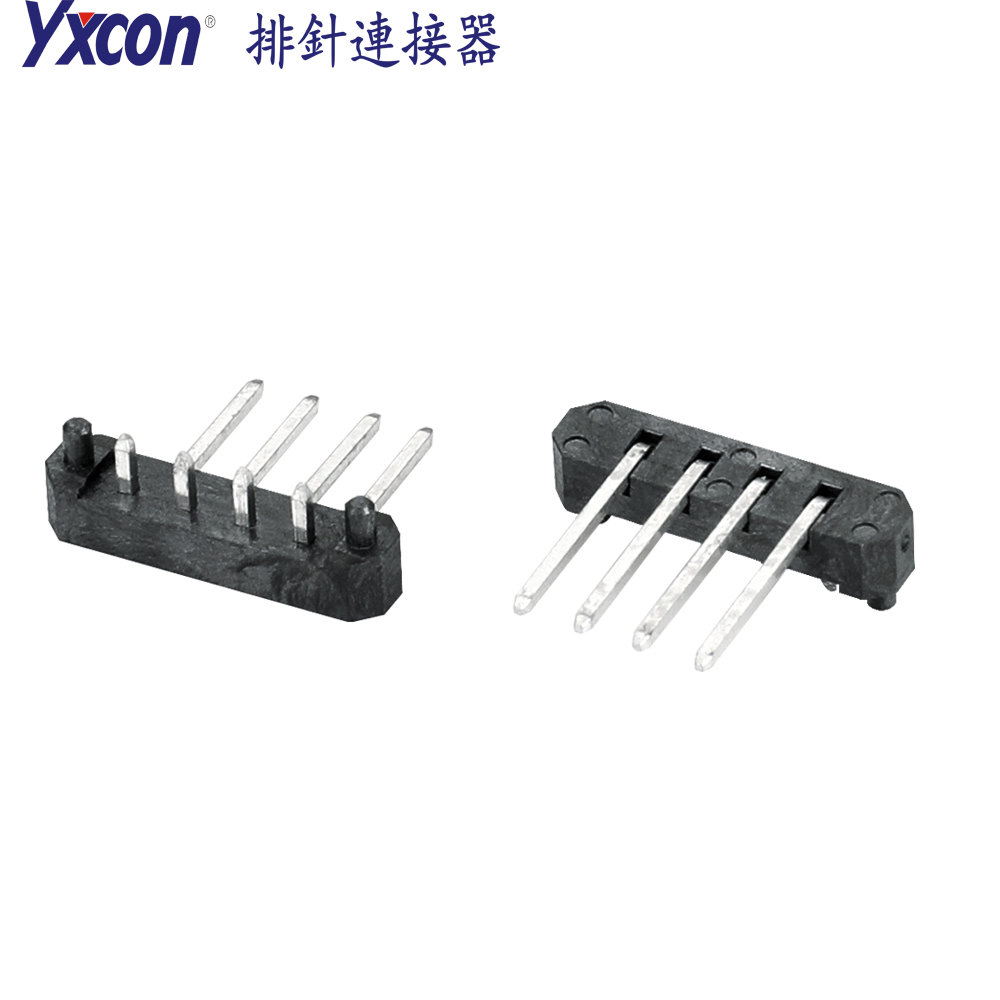
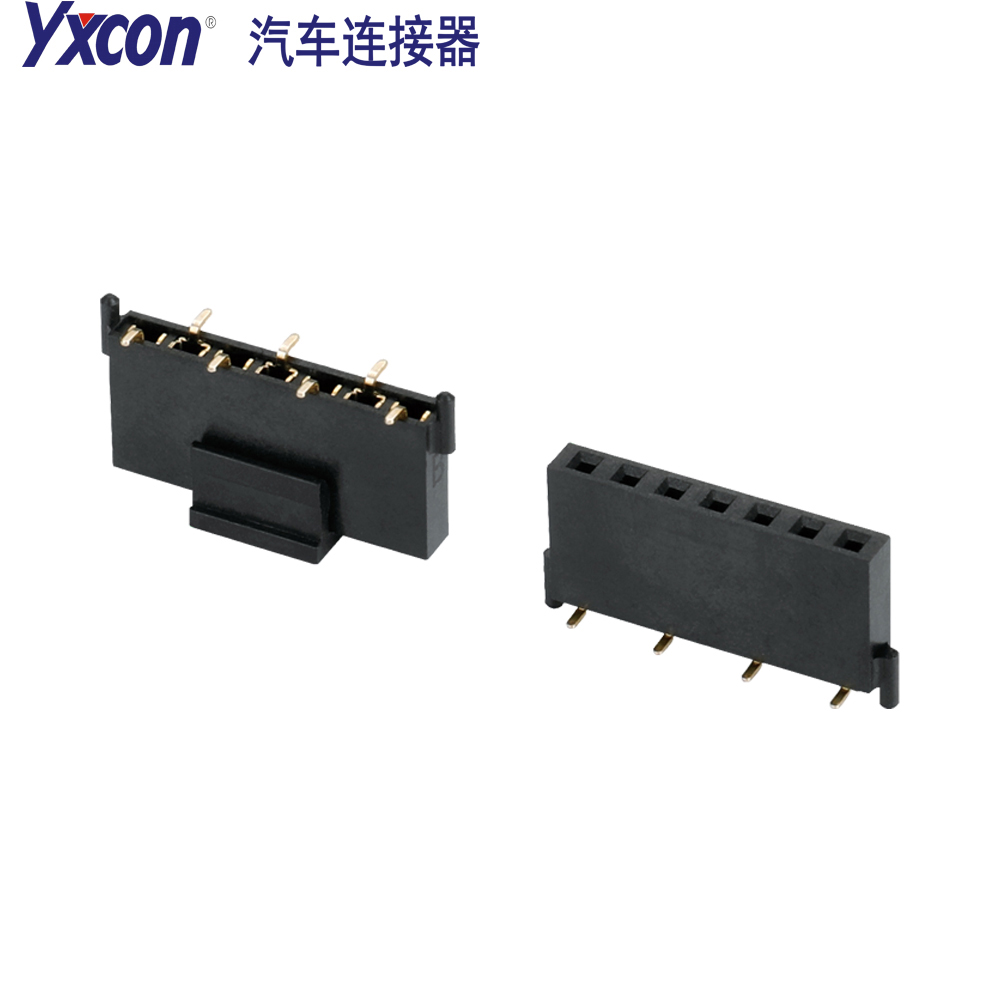
This 1.27mm pitch four-row simple horn connector, paired with a dedicated height-increasing cover, has its overall height precisely controlled at 9.25mm, with an SMT mounting height of 8.3mm, offering a structurally stable and well-adapted design. Through its multi-row layout, the product achieves relatively high signal density within a limited board area, while the simple horn height-increasing cover provides height compensation and mechanical protection, offering a deterministic board-to-board interconnection solution for precision electronic equipment. From a strategic analysis perspective, the product possesses dual differentiated advantages in dimensional control and structural adaptability, but it must contend with assembly complexity and competitive pressure from alternative connection solutions.
From a product definition standpoint, XXP simple horn represents a configurable multi-pin form, and the parameter combination of 9.25mm total height and 8.3mm SMT provides a clear stacking height baseline for PCB layout. For electronics manufacturing service providers, the 8.3mm SMT mounting height of the simple horn means the connector is compatible with standard reflow soldering processes, reducing the risk of misalignment and cold solder joints during automated placement. The presence of the simple horn height-increasing cover enables the product to adjust total height while maintaining body height consistency, and this modular approach has practical value in platform-based connector development.
Market Overview
Using the PEST framework to observe the macro environment, it can be found that demand for miniaturization and high-density interconnection of electronic components continues to rise across multiple end-use sectors. In terms of the political environment, precision connectors, as fundamental electronic components, receive attention from industrial policies, but this article does not cite specific policy data or statistical calibers. In terms of the economic environment, procurement demand for multi-row high-density connectors from consumer electronics, industrial control, communication equipment, and automotive electronics shows a stable growth trend, driving suppliers to continuously optimize product lines. In terms of the social environment, the trend toward thinner and lighter terminal devices requires connectors to provide more signal channels within a smaller board footprint. In terms of the technological environment, advances in SMT mounting processes and high-temperature plastic molding technology have made precision dimensional combinations such as the 9.25mm total height simple horn and the 8.3mm SMT simple horn viable for mass production.
From an interpretation of product parameters, the 1.27mm pitch four-row simple horn significantly increases the number of contacts compared with single-row or dual-row simple horns at the same board area. The simple horn height-increasing cover is used to bridge the difference between the connector body mounting height and the target mating height, ensuring the overall height is precisely controlled at 9.25mm. The 8.3mm SMT mounting height indicates that the distance from the top of the connector body to the PCB surface after soldering is 8.3mm, with the remaining height supplemented by the height-increasing cover structure to 9.25mm. This clear height definition helps structural engineers reduce trial-and-error costs during the design phase of enclosure and board spacing.
Judging from general knowledge of application scenarios, the multi-pin characteristics of the four-row simple horn and XXP simple horn are suitable for scenarios such as data acquisition modules, test and measurement backplanes, communication daughter cards, and industrial control boards that require parallel signal transmission. Since the source does not provide specific downstream industry data, this article does not give quantitative conclusions such as market share and growth rates, and only infers from parameter logic that its target market leans toward the medium-to-high-density interconnection field. The standardized dimension of 9.25mm total height facilitates reuse of the same connector platform across different projects, while the 8.3mm SMT mounting height facilitates sharing the same production line with conventional SMT components.
Competitive Landscape
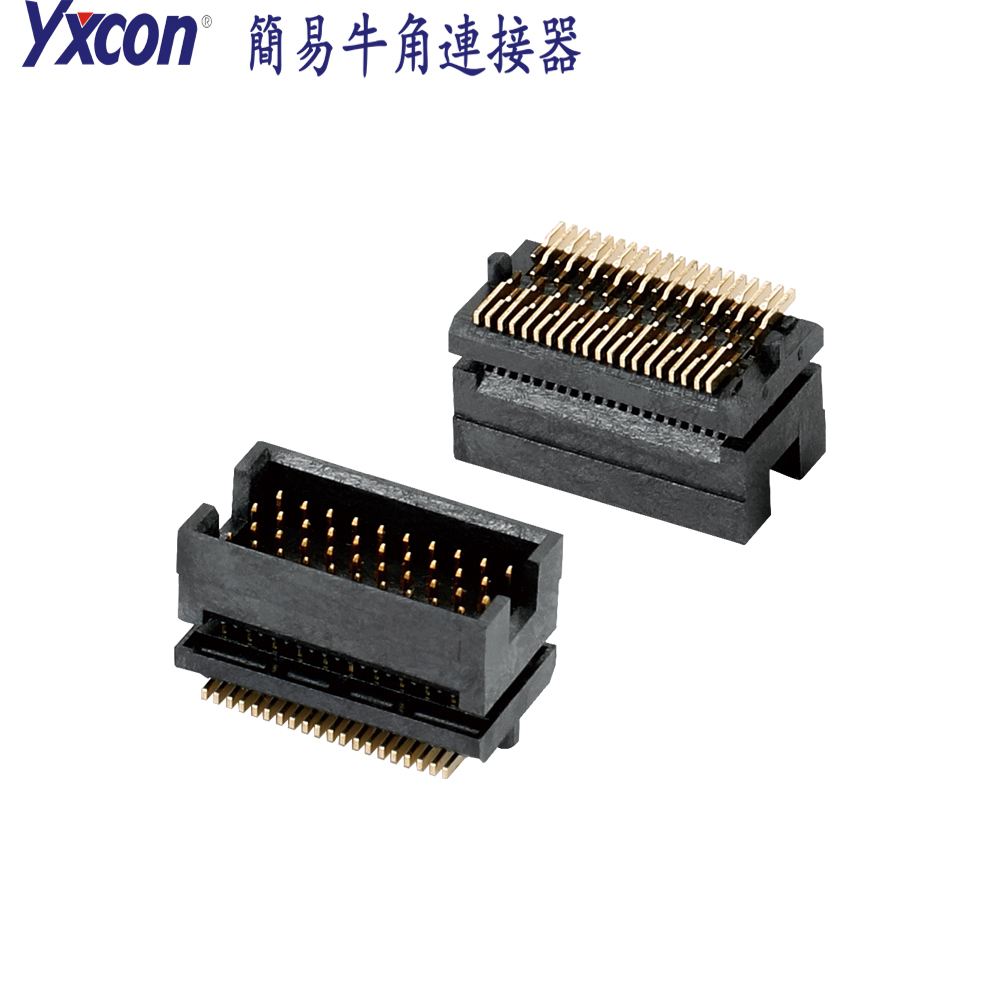
Using Porters Five Forces framework for analysis, the intensity of competition among existing competitors depends on each manufacturers dimensional consistency, mold precision, and delivery capability for 1.27mm pitch multi-row simple horn products. The combination of the four-row simple horn and the simple horn height-increasing cover requires a high degree of coordination among terminal forming, plastic body injection molding, and assembly processes. If competitors lack dedicated fixtures and inspection methods, it is difficult for them to stably replicate the precise dimension of 9.25mm total height. Technical barriers facing potential entrants include small-pitch terminal forming precision, multi-row coplanarity control, and tolerance management for the fit of the height-increasing cover, capabilities that require long-term process accumulation.
In terms of the threat of substitutes, smaller-pitch connectors, board-to-board connectors, or flexible circuit board connection solutions may replace the four-row simple horn in certain scenarios. However, the 1.27mm pitch four-row simple horn strikes a balance among signal density, mechanical strength, and cost, and the simple horn structure has clear advantages especially in industrial environments requiring multiple mating cycles or resistance to certain lateral forces. In terms of supplier bargaining power, raw material prices such as copper alloys for terminals, high-temperature plastics such as LCP, and plating layers affect connector costs, and suppliers bargaining power is constrained by both commodity cycles and procurement scale. Buyer bargaining power depends on their procurement volume and the scope for specification substitution, but once the number of pins for the XXP simple horn is determined, changing connector specifications will bring PCB redesign and reliability verification costs, so switching costs are relatively high.
The key source of differentiation for this product lies in the simple horn height-increasing cover design. The height-increasing cover not only provides height compensation but may also enhance mechanical stability during mating and reduce the risk of misinsertion. The precise control of 9.25mm total height requires the fit tolerance between the body and the height-increasing cover to be controlled within an extremely narrow range, which places strict requirements on mold precision and assembly consistency. The 8.3mm SMT mounting height facilitates stable pickup by the placement machine nozzle, reducing material throwing and placement misalignment caused by an uneven pickup surface.
Trend Analysis
Miniaturization and high-density interconnection are long-term technological evolution directions for the connector industry. As device functional integration increases, PCB board area resources become increasingly scarce, and designers need to arrange more signal channels within the same area. The four-row simple horn adopts a four-column contact layout at 1.27mm pitch, greatly increasing contact density per unit area compared with traditional dual-row solutions. The simple horn height-increasing cover allows system designers to adjust total height without changing the connector body, and this height customization capability meets the differentiated internal stacking space requirements of different products.
The trends of SMT mounting and automated manufacturing place higher consistency requirements on connectors. The mounting height parameter of the 8.3mm SMT simple horn indicates that the product is fully compatible with standard surface mount processes and suitable for high-speed placement and reflow soldering. Connectors must withstand high temperatures during reflow soldering without warping or dimensional drift, and the 9.25mm total height simple horn must maintain height stability before and after soldering. As the degree of electronics manufacturing automation increases, requirements for coplanarity of SMT components, flatness of pickup surfaces, and reliability of tape-and-reel packaging become stricter, and these requirements will drive connector manufacturers to continue investing in process control and in-line inspection.
Customization and modularization trends also influence product evolution. XXP simple horn represents a variable number of pins, and customers can choose appropriate configurations according to the actual number of signal channels, reducing board space waste caused by redundant pins. The simple horn height-increasing cover can be regarded as a modular height extension component, and different height specifications may be derived in the future to adapt to various board spacing requirements. This platform-based design approach helps manufacturers quickly respond to diverse needs while keeping the core contact structure unchanged, shortening sample delivery cycles.
Future Outlook
Based on existing products


