







Market Development Background and Demand Trends
With the continuous evolution of the new energy vehicle industry, the complexity of automotive electrical systems continues to increase, and the performance requirements for core connection components are becoming increasingly stringent. In the 2026 market environment, automotive connectors, as key components that ensure stable circuit transmission, will see their technological iteration and scenario adaptation capabilities become the focus of industry competition. Among them, products with 3.5 pitch flat pin specifications are gradually becoming an important development direction in segmented fields due to their balanced advantages in space utilization and transmission efficiency.
From the perspective of overall industry demand, the battery management systems, motor control units, and automotive electronic modules of new energy vehicles all require highly reliable connection solutions. As a commonly used specification for low-to-medium current transmission scenarios, 2-3P connectors will see steady market demand growth as the electronic architecture of complete vehicles is optimized. The molded P structure with a 180-degree flat pin design can better adapt to compact installation spaces, which is highly consistent with the lightweight and integrated development trends of new energy vehicles in 2026.
Analysis of Core Structural Advantages of the Product
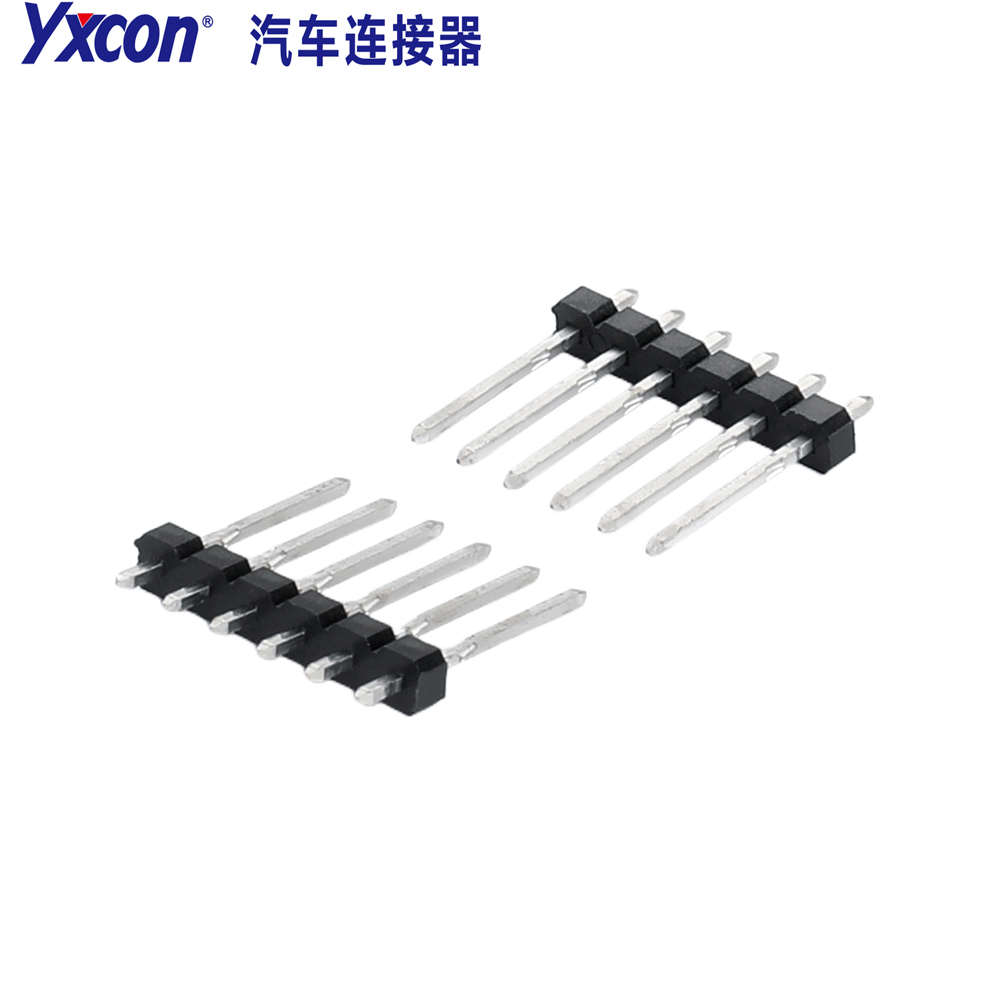
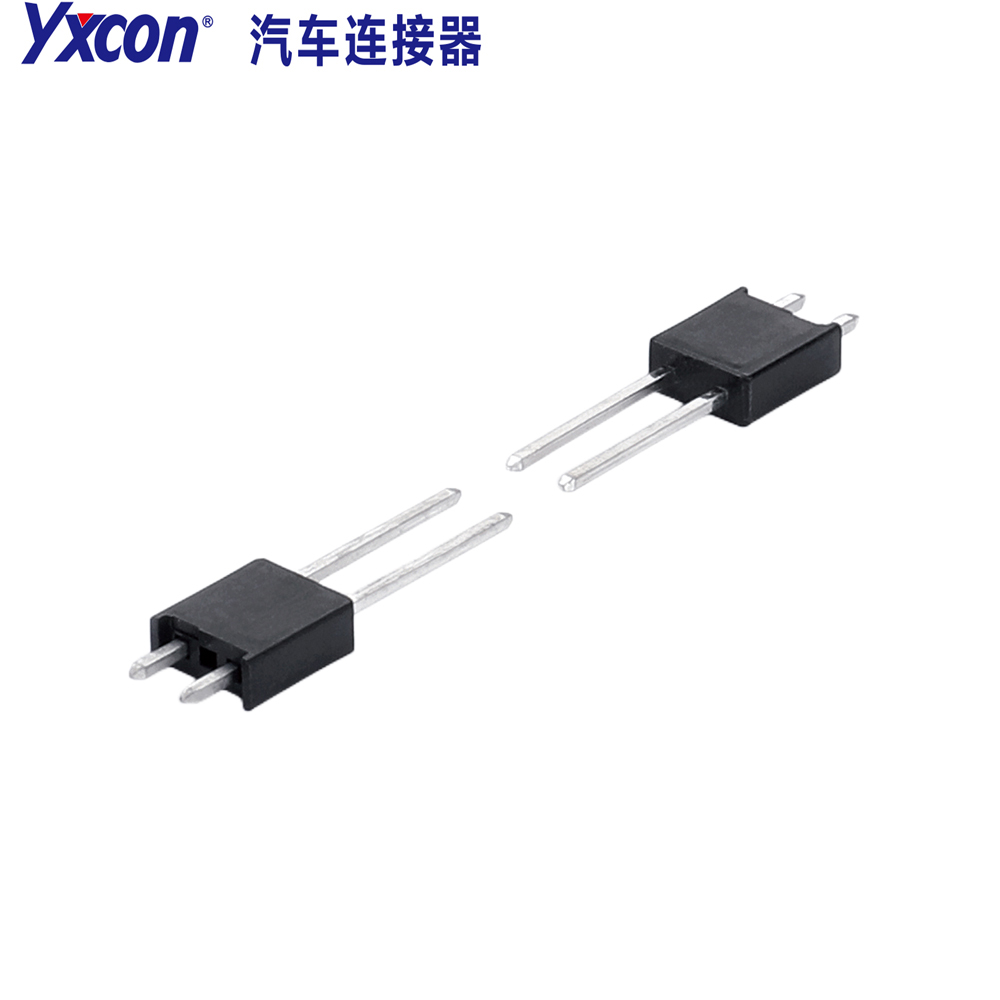
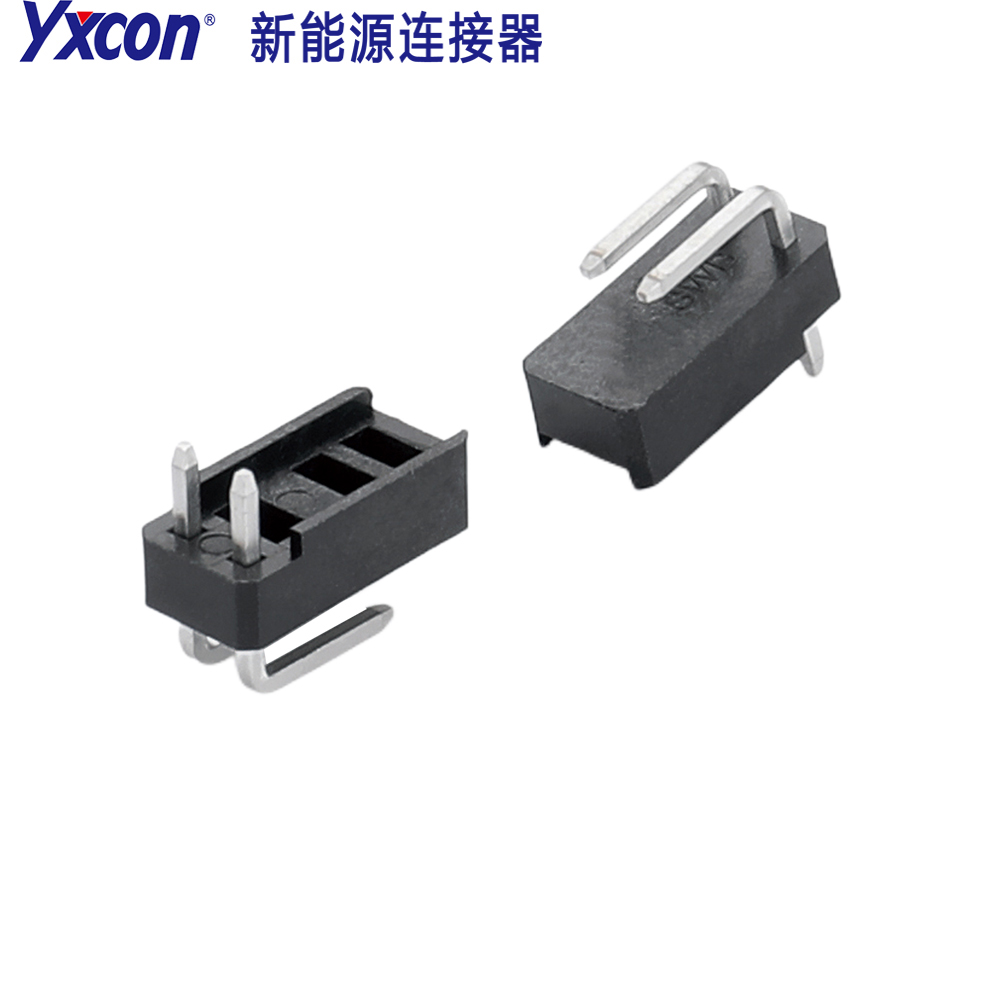
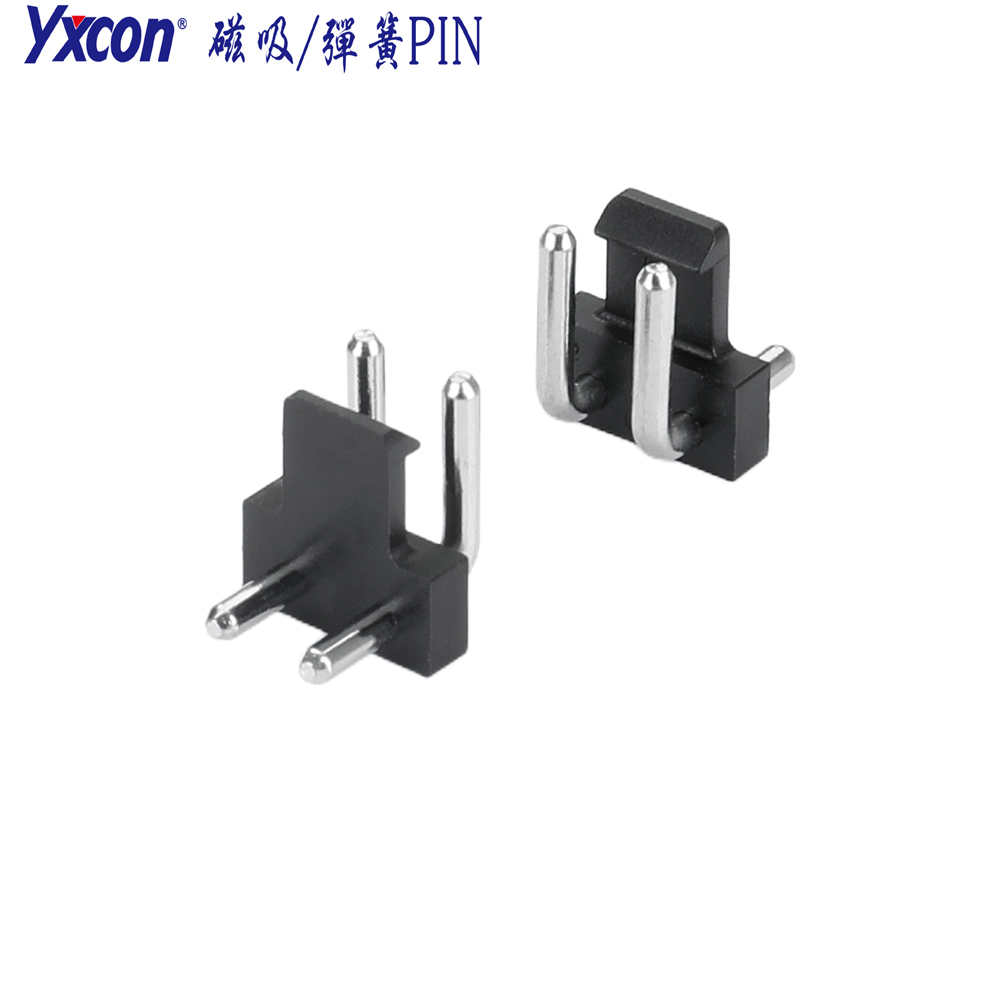
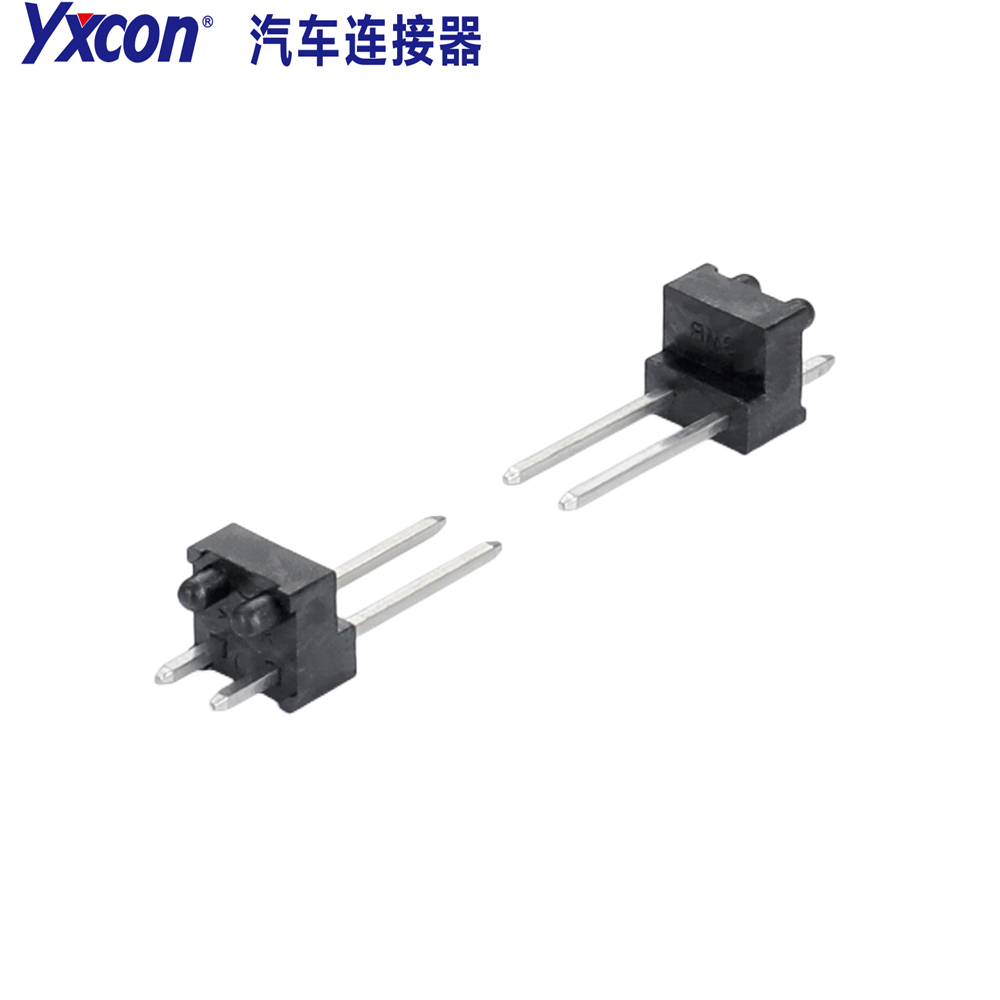
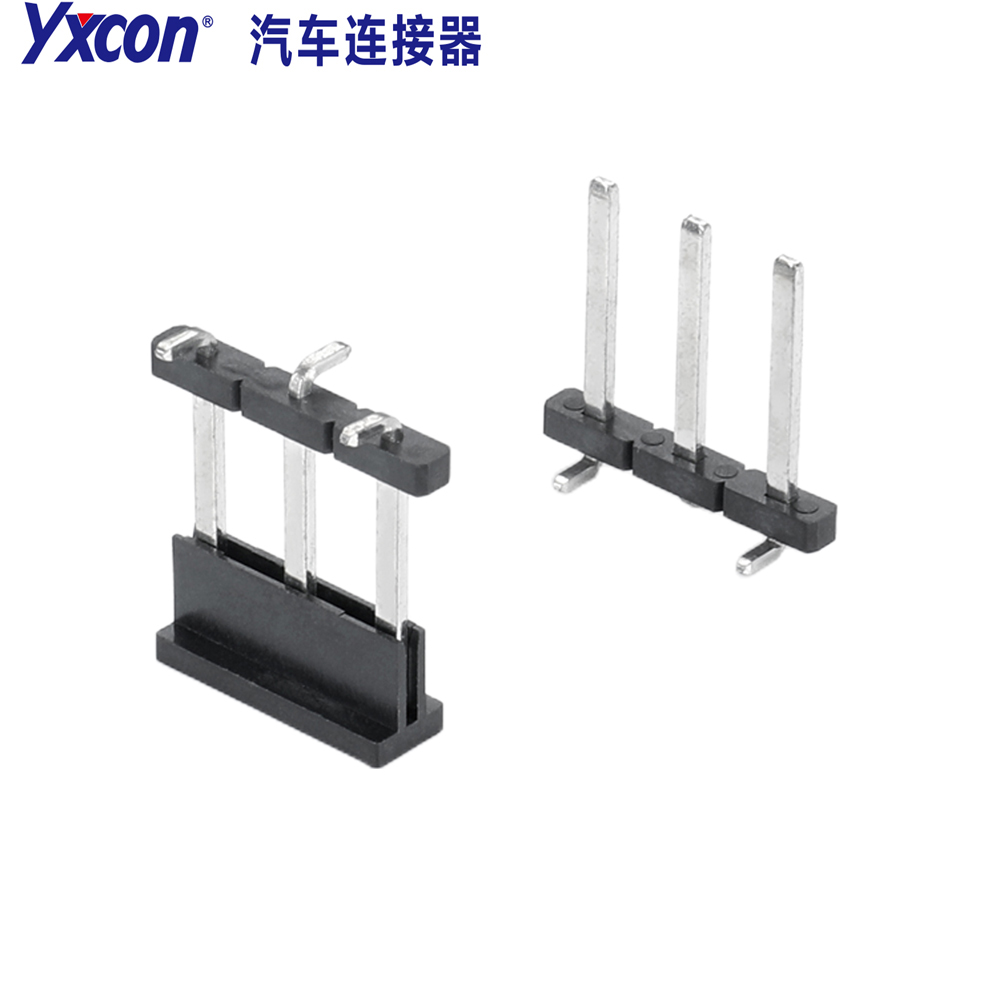
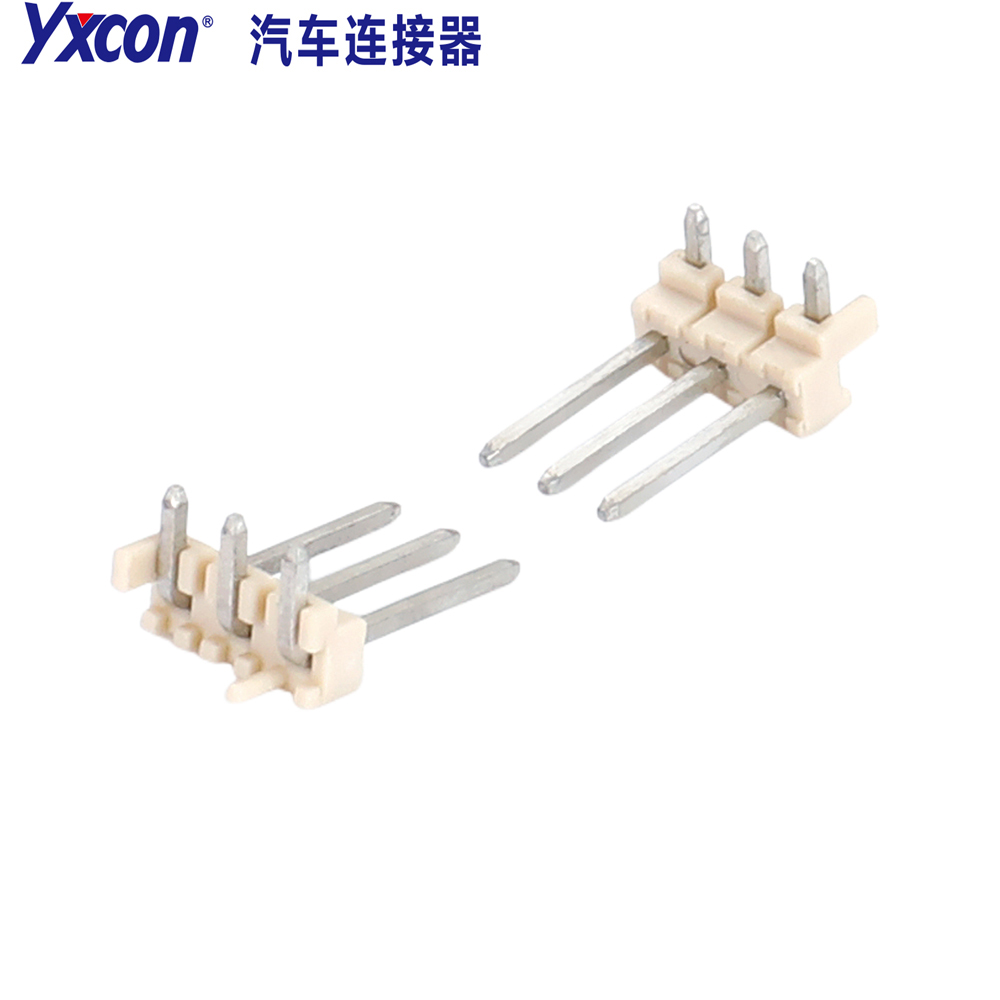
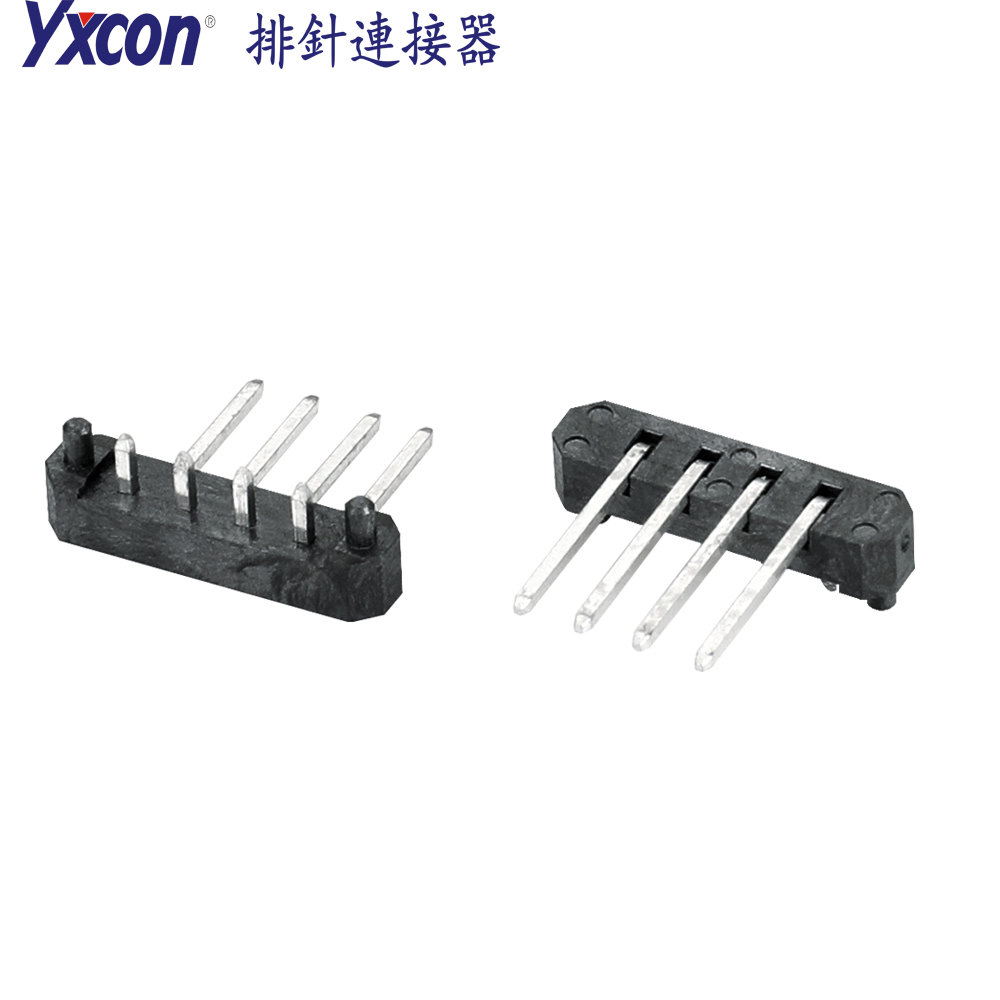
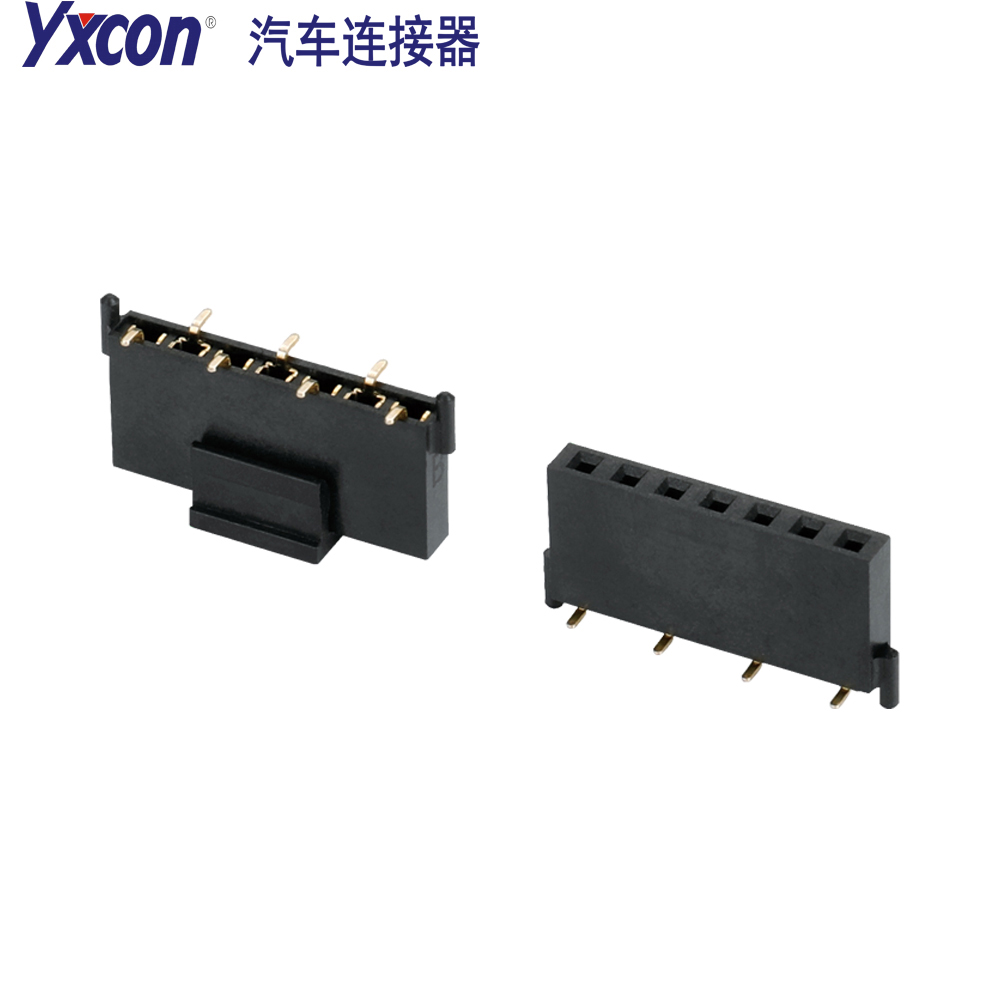
The 180-degree flat pin design of this automotive connector is a notable structural feature. This design makes the pin arrangement more orderly and can effectively reduce space occupation during installation. Combined with the molded P process, the overall structure of the connector is more stable, and the bonding strength between the pins and the plastic housing is higher, avoiding the loosening problems that may occur in traditional assembled structures. For the 3.5 pitch specification, this structural design can ensure that the insulation distance between pins meets safety standards while improving the tightness of the overall structure.
Under the synergistic effect of materials and processes, the structural advantages of this product are transformed into practical use value. Molded P flat pins reduce connection nodes through an integrated molding process, lowering the risk of poor contact at the physical level. The 2-3P interface configuration balances the needs of signal transmission and low-to-medium power supply, neither increasing volume due to too many pins nor limiting functional expansion due to too few pins. The rationality of this structural design gives it a clear differentiated competitive advantage in the 2026 connector market.
Conductive Performance and Electrical Safety Characteristics
Excellent conductivity is one of the core performance advantages of this 3.5 pitch flat pin automotive connector. Compared with round pins, the flat pin design can provide a larger contact area, resulting in lower contact resistance and lower heat generation under the same current load. This characteristic is particularly important for the electrical systems of new energy vehicles, because core components such as battery packs and charging and discharging modules have extremely high requirements for the stability of current transmission, and even small resistance fluctuations may affect system efficiency.
From the perspective of electrical safety, the structural stability and tight fit of this product further enhance the reliability of conductive performance. The 180-degree flat pin arrangement makes the force on the pins more uniform, making them less prone to deformation during long-term use and thus maintaining stable contact pressure. This characteristic, combined with the anti-loosening design of the molded P process, can effectively avoid instantaneous power loss or poor contact caused by vibration, providing basic protection for the electrical safety of new energy vehicles.
Vibration Resistance and Adaptability to Complex Environments
New energy vehicles face various complex road conditions during driving, and onboard components need excellent vibration resistance to ensure long-term stable operation. This 2-3P connector achieves outstanding vibration resistance through structural optimization. The tight fit between its molded P flat pins and the plastic housing can buffer the impact of external vibration on the connection points. The 3.5 pitch design also provides sufficient mechanical strength for the pins, avoiding pin breakage or contact failure caused by vibration.
In the application scenarios of 2026, new energy vehicles may face harsher operating environments, including high temperature, low temperature, humidity, and dusty conditions. The structural stability of this product not only improves vibration resistance but also indirectly enhances environmental adaptability. The tight fitting structure can effectively block external impurities from entering the connection area and reduce the risk of oxidative corrosion. This comprehensive performance advantage enables it to maintain stable working conditions under various operating conditions of new energy vehicles.
Installation Convenience and Production Efficiency Improvement
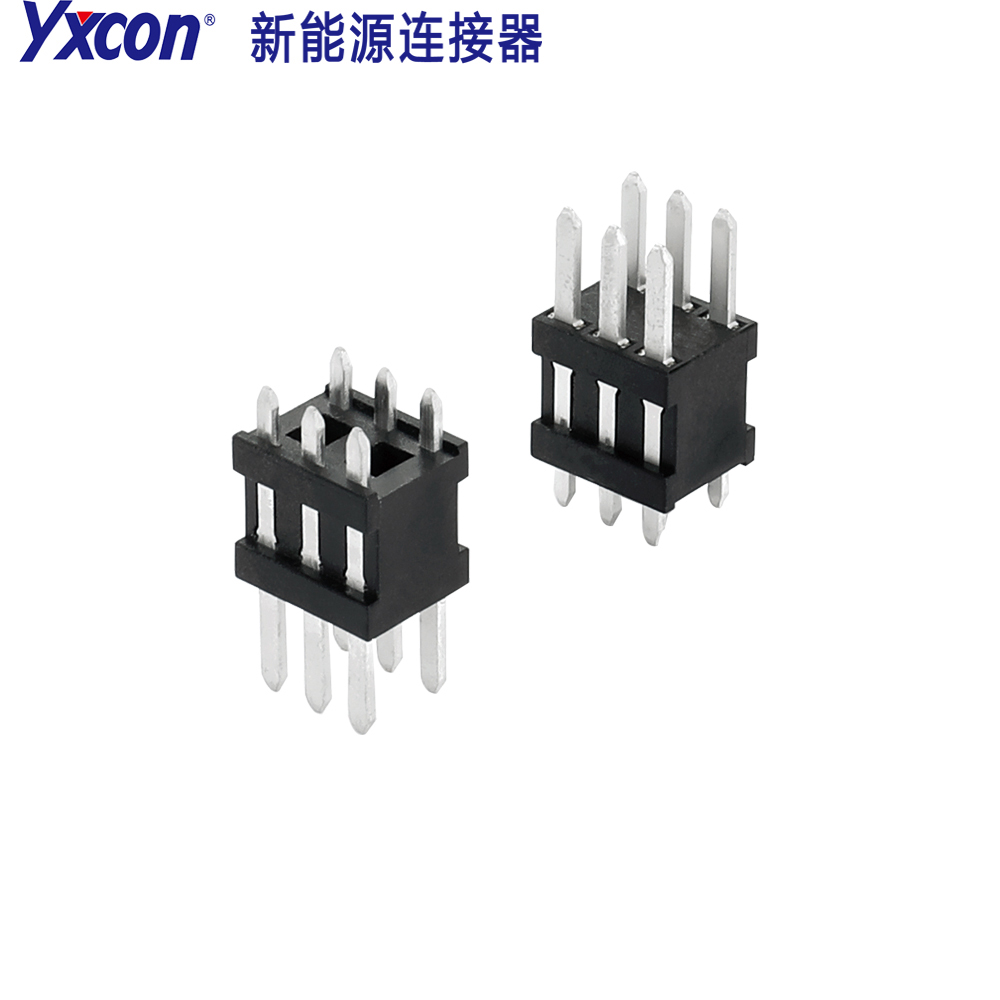
Installation convenience is an important practical advantage of this 180-degree flat pin automotive connector. Its standardized 3.5 pitch design and 180-degree pin arrangement are compatible with mainstream PCB layouts and wire harness processing techniques, requiring no special installation tools or complex operating procedures. For new energy vehicle manufacturers, this means that assembly time on the production line can be shortened and the error rate of manual operations can be correspondingly reduced.
From the perspective of supply chain and production coordination, the design of this product fully considers the needs of large-scale production. The integrated characteristics of the molded P process result in higher product consistency and smaller performance differences between batches, which helps improve the yield rate of complete vehicle assembly. The 2-3P interface configuration also simplifies the wire harness matching process. Whether for connections inside battery modules or signal transmission for onboard electronic devices, docking can be completed quickly. In the context of new energy vehicle capacity expansion in 2026, this installation convenience will translate into a significant production efficiency advantage.
Analysis of Core Application Scenarios in New Energy Vehicles
In the battery management systems of new energy vehicles, this automotive connector can play an important role. Signal transmission such as voltage collection and temperature monitoring inside battery packs requires reliable connection solutions, and the pin count of 2-3P connectors exactly meets the needs of such signal circuits. The compact design of the 3.5 pitch flat pins can adapt to the narrow spaces between battery modules, while the 180-degree molded structure ensures connection stability in the vibration environment of battery packs.
Onboard chargers and DC-DC converters are core components of new energy vehicles, and their internal circuits require efficient and stable connection support. With excellent conductivity, this molded P flat pin connector can carry low-to-medium current transmission during charging and discharging, while its vibration resistance can cope with bumps during vehicle driving. In the design of new energy vehicles in 2026, the integration level of such components will be further improved, and the space adaptation advantage of this connector will be more fully reflected.
In addition, in scenarios such as body electronic systems including lighting control modules and door and window control motors, this connector can also provide reliable connection solutions. These scenarios do not have high current requirements but require long-term stable working conditions, and its structural stability and tight fit exactly meet this need. The flexible 2-3P configuration enables it to adapt to electronic modules with different functions, providing more convenience for the electrical architecture design of new energy vehicles.
Outlook for Competitive Advantages in the 2026 Market
Entering 2026, competition in the new energy vehicle connector market will focus more on the scenario adaptation capability and comprehensive performance of products. This 3.5 pitch flat pin 2-3P 180-degree molded P automotive connector, with its core advantages of stable structure, excellent conductivity, outstanding vibration resistance, and convenient installation, will occupy a favorable position in the segmented market. Its design concept is highly consistent with the lightweight and integrated development trends of new energy vehicles and can meet the performance requirements of complete vehicle manufacturers for core components.
From the perspective of user needs, new energy vehicle manufacturers will pay more attention to the long-term reliability and overall cost of products when selecting connectors. The molded P process of this product reduces later maintenance needs, and installation convenience lowers labor costs in the production process, all of which will translate into significant comprehensive competitive advantages. The combined design of the 2-3P interface and 180-degree flat pins also provides a solid foundation for its promotion in multi-scenario applications of new energy vehicles, and it is expected to gain broader application recognition in the 2026 market.
Industry Application Value and Future Potential
As an important segmented product in the automotive connector field, the technical characteristics of this 3.5 pitch flat pin connector reflect the industry's pursuit of precision and reliability in components. Its application in new energy vehicles not only improves the performance of individual components but also provides support for the optimization of complete vehicle electrical systems. In 2026, as new energy vehicle technology further matures, connectors with clear performance advantages such as this will become an important option in the industry standard configuration.
From the perspective of industrial development, the design approach of this product provides a reference direction for technological iteration in the connector industry. The balance between structural stability and functional practicality, and the consideration of both installation convenience and performance reliability, are important trends in the future development of automotive connectors. As a mainstream specification for low-to-medium current scenarios, the technological optimization of 2-3P connectors will continue to drive the upgrading of new energy vehicle electrical systems, demonstrating long-term application potential and market value.


