





Space Revolution and Structural Advantages
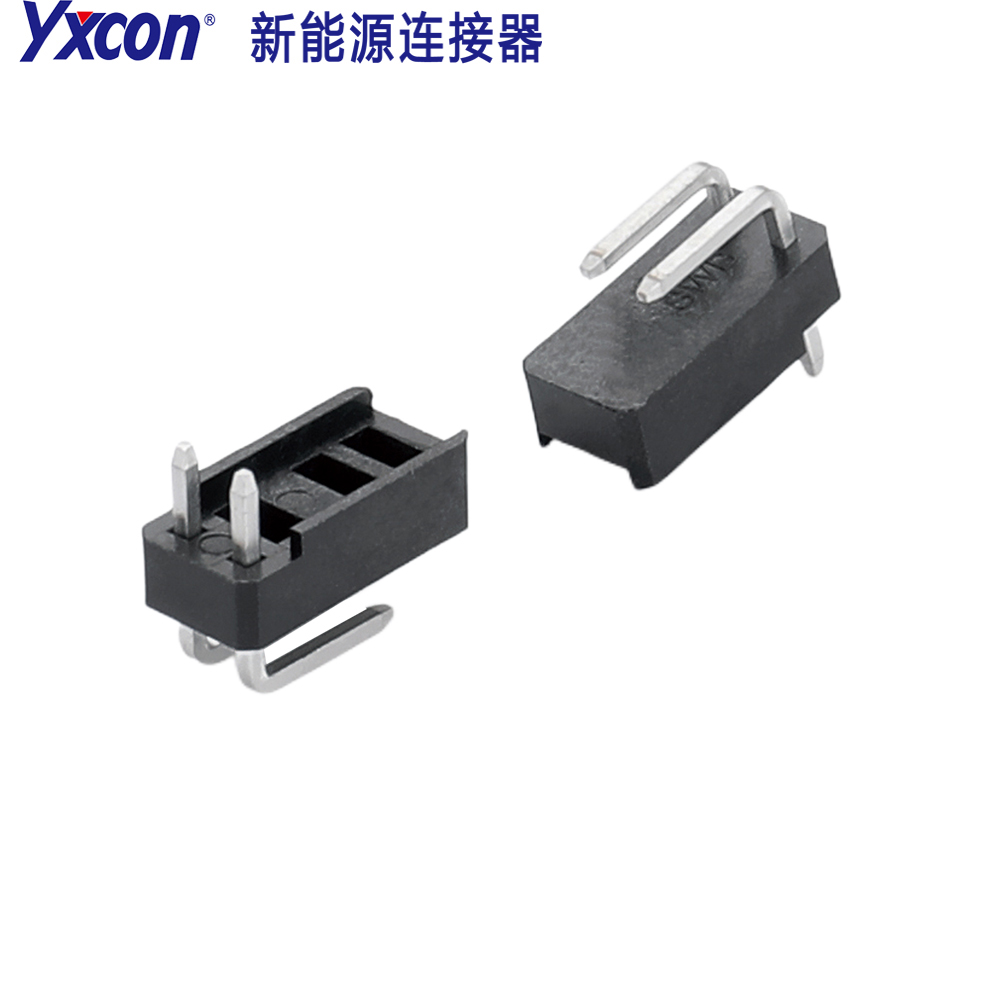
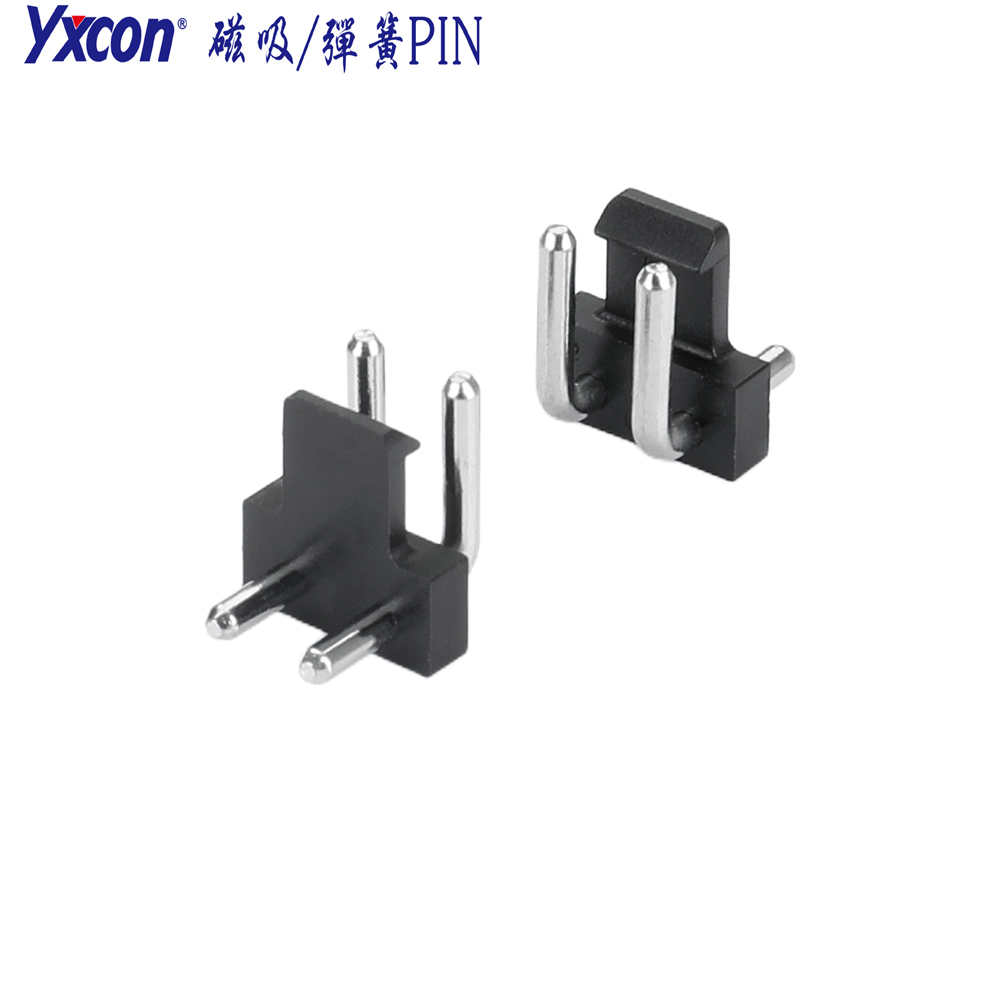
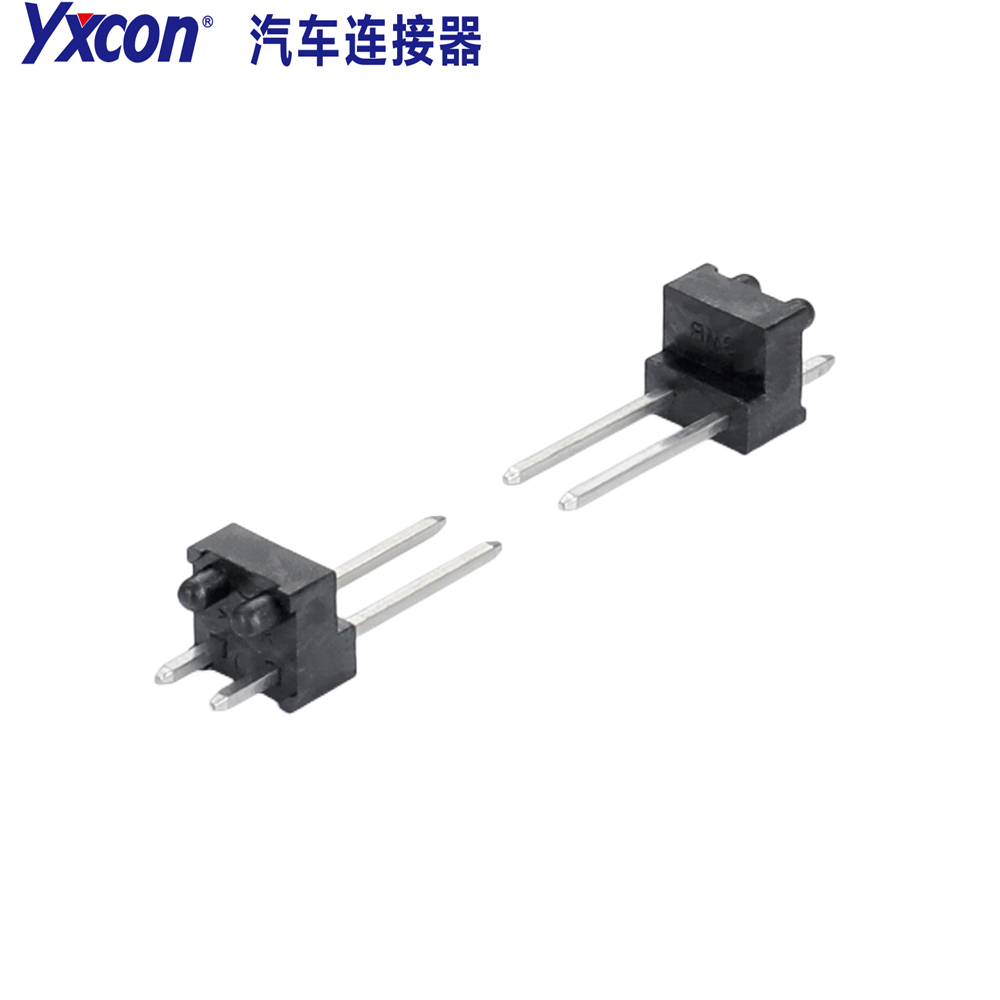
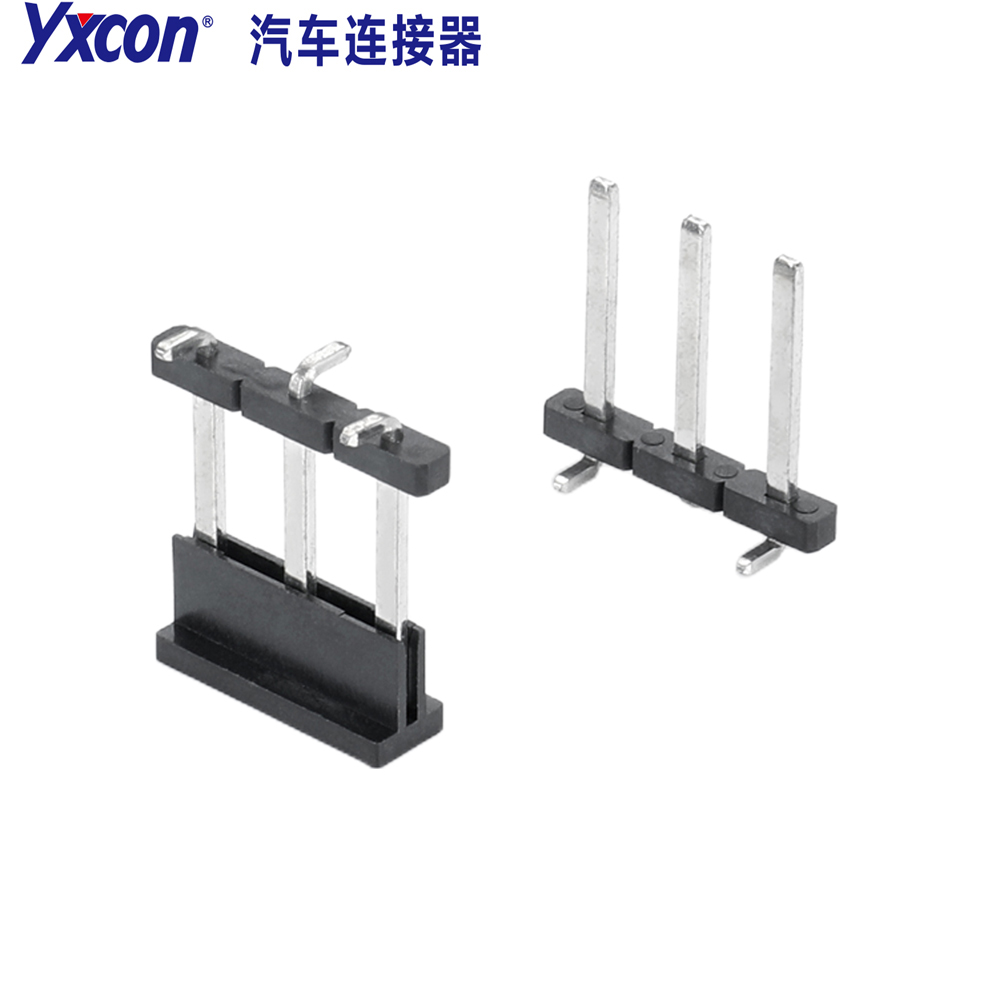
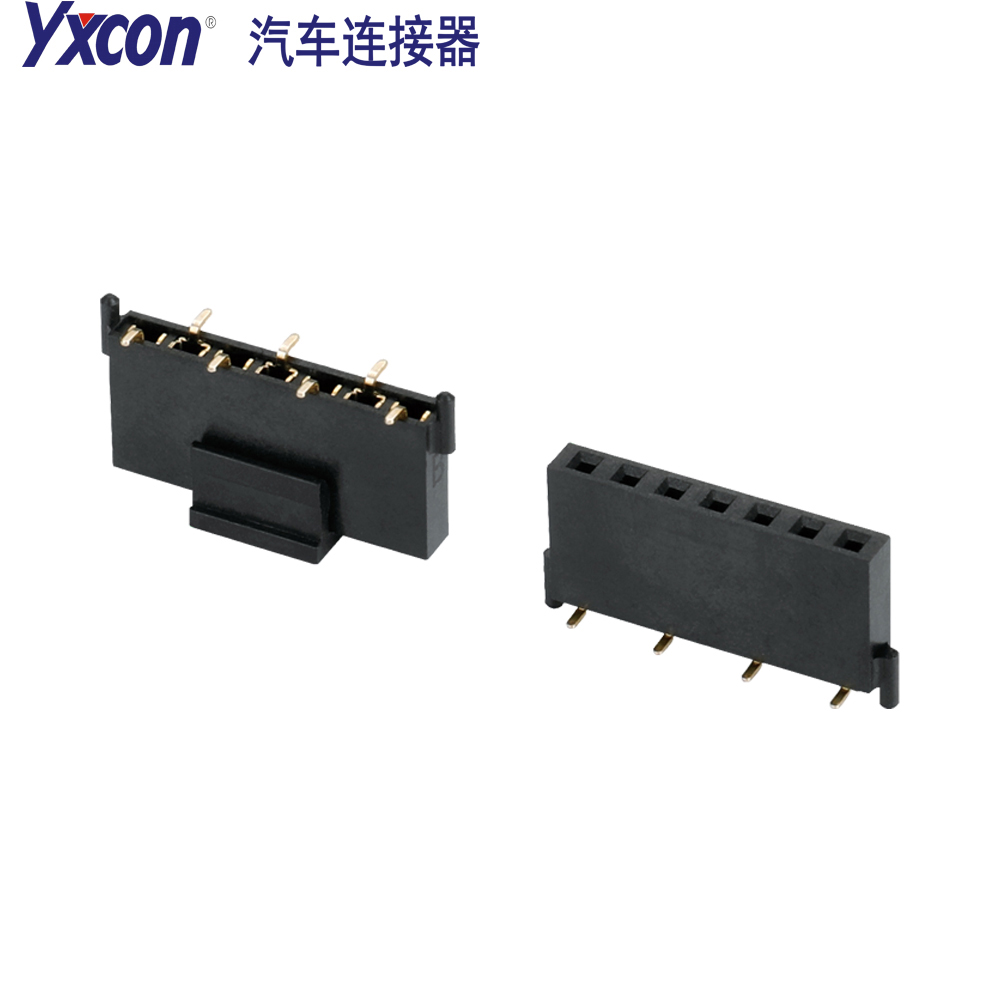
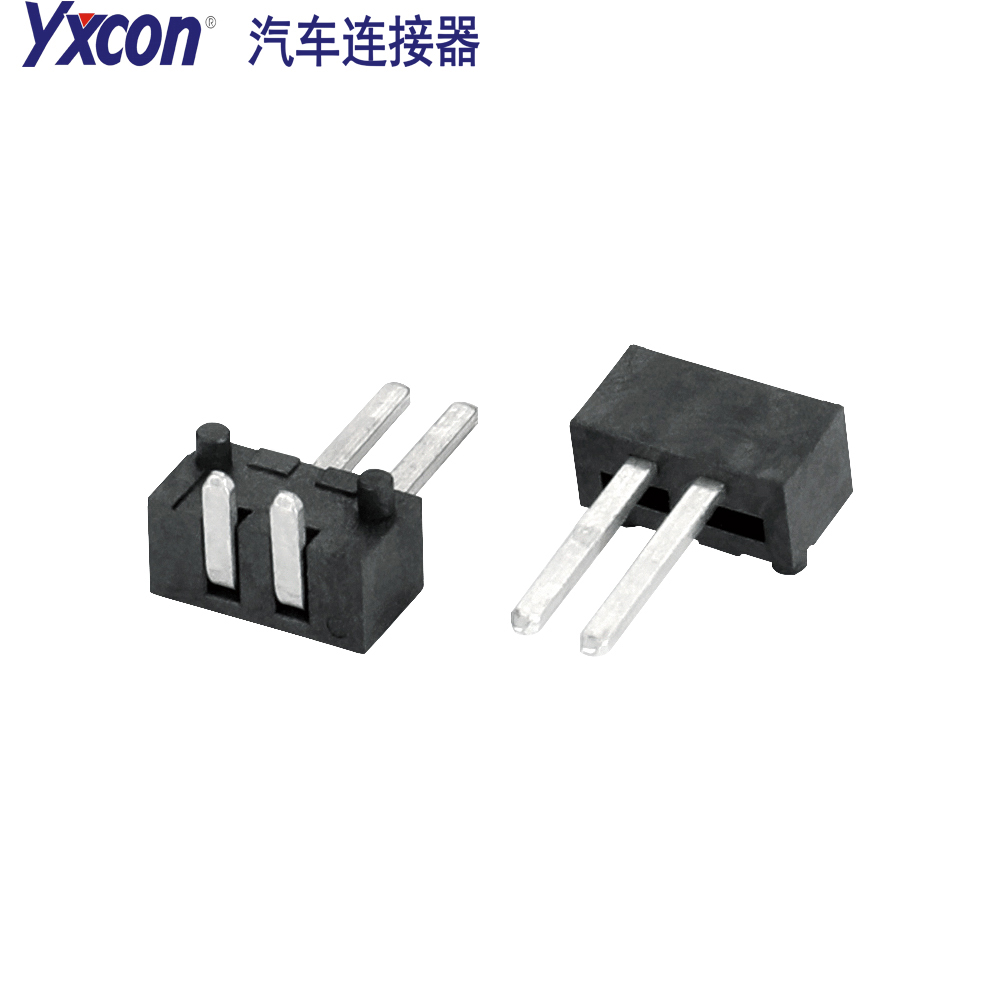
Inside the battery management systems and motor control units of new energy vehicles, every millimeter of space is particularly precious. The core value of this automotive connector with a 90-degree bent pin design lies in completely changing the layout of traditional straight connectors. Through the vertical bent pin structure, it can be mounted parallel to the surface of the circuit board, thereby greatly saving internal vertical space. This improvement in space utilization means that for new energy vehicles pursuing ultimate lightweighting and miniaturization, engineers can integrate more functional modules within a limited control box, or effectively reduce the overall volume and weight of the assembly. This structural ingenuity not only solves the pain point of physical space, but also provides a solid hardware foundation for the compact design of automotive electronic systems.
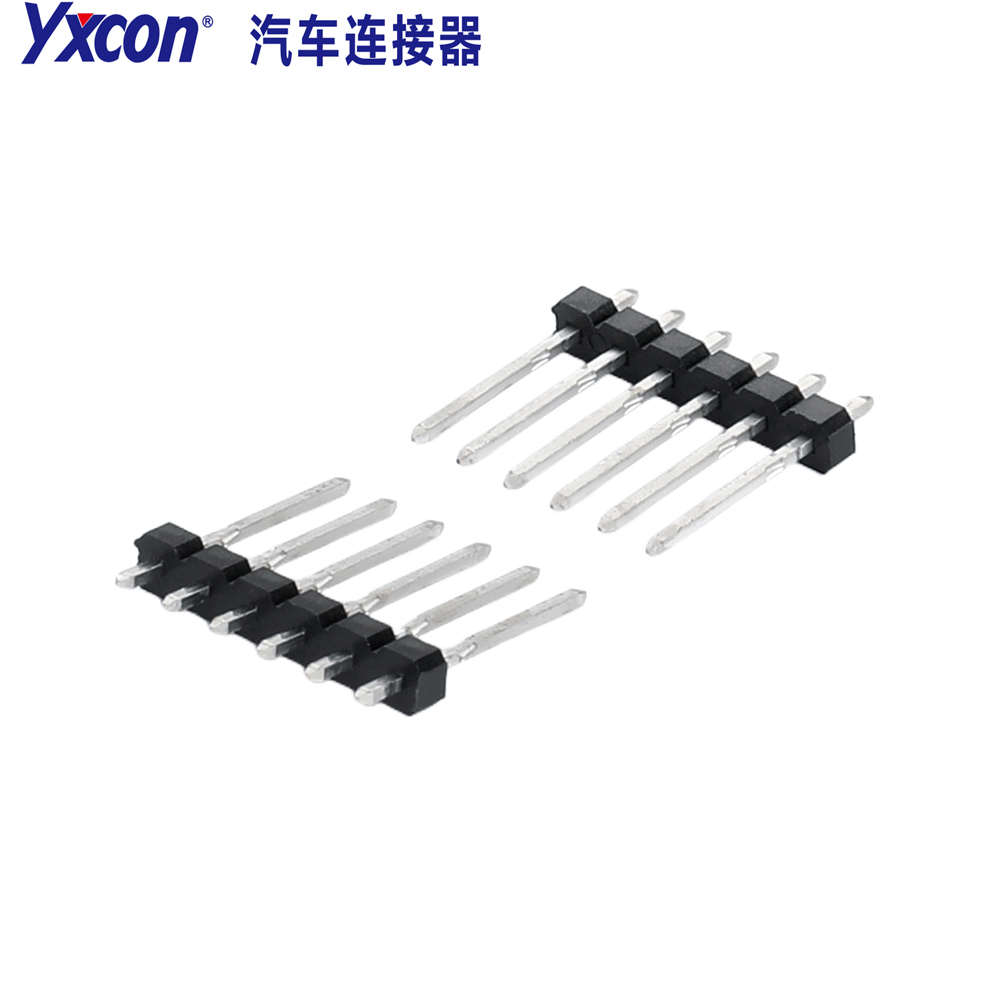
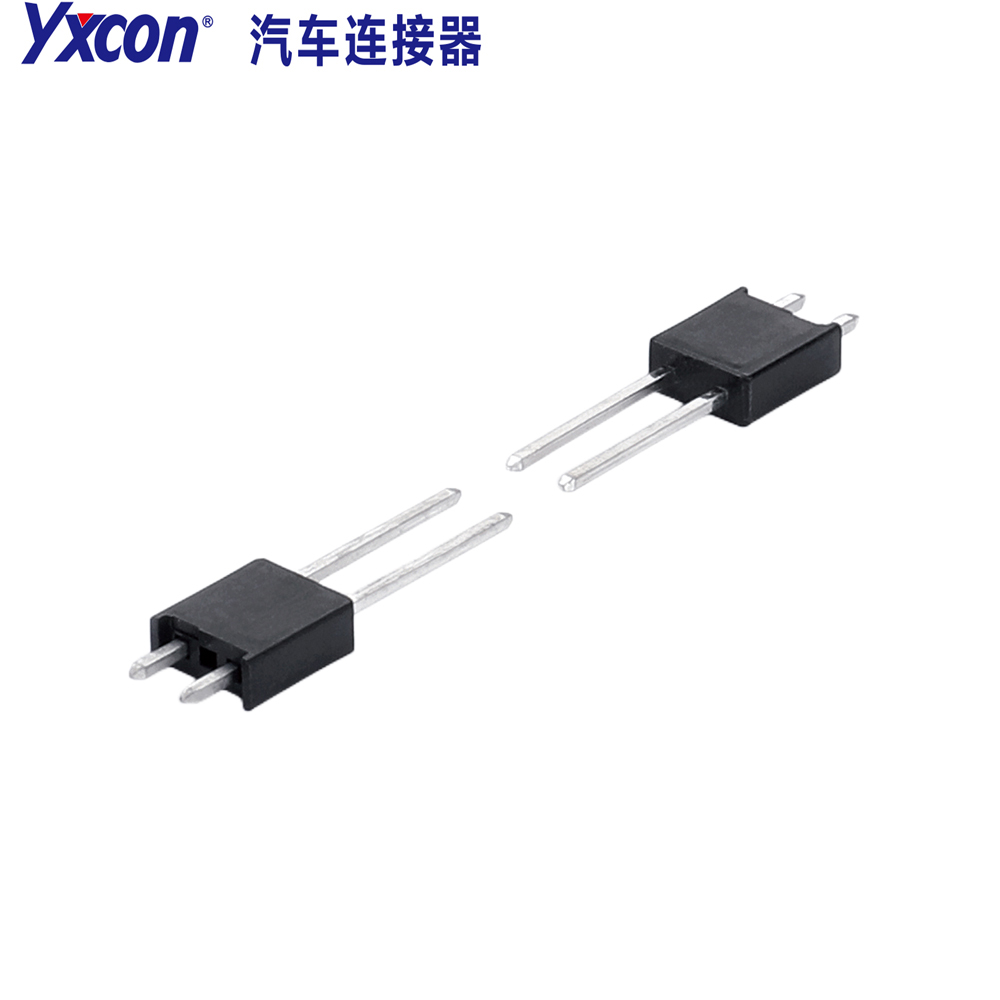
When we focus on practical applications, the advantages of this 90-degree flat pin design become even more obvious. In complex automotive electronic architectures, the routing of wiring harnesses is often strictly limited by surrounding metal brackets, heat sinks, and other electronic components. Traditional plug-in connectors may be too tall, causing the housing to fail to close, or may interfere with adjacent components. This 90-degree automotive flat pin connector, with its board-mounted posture, perfectly avoids these physical obstacles. It enables the 1pin flat pin and 2pin flat pin configurations to flexibly adapt to various narrow corners. Whether it is the sampling harness inside the battery pack or the signal transmission of the door control module, it can handle them with ease, ensuring the physical stability of circuit connections and the neatness of the layout.
Precision Materials and Electrical Performance
As part of automotive safety systems, the material selection of connectors directly determines their reliability in extreme environments. This automotive connector uses HIGHT-TEMP high-temperature plastic material, which means it can maintain stable physical performance in high-temperature environments such as near the automotive engine compartment or battery pack, and will not deform or melt due to thermal expansion and contraction. At the same time, its terminal part uses high-quality brass material. Brass not only has good conductivity, but also has excellent elasticity and mechanical strength, ensuring that under the vibration and bumps during long-term vehicle driving, the terminals and pins can still maintain tight contact, avoiding electrical failures caused by poor contact. This rigorous screening of materials is the foundation for the product to establish itself in the automotive field.
In terms of electrical parameters, this 2.54 pitch flat pin connector demonstrates excellent performance indicators. It supports a rated current of 2.0 AMP and a rated voltage of 24V, fully capable of meeting the transmission needs of low-voltage control circuits in new energy vehicles. More critically, its contact resistance is strictly controlled within 30mΩ Max. Low impedance means minimal energy loss during current transmission, which can effectively reduce heat generation and improve energy efficiency. At the same time, an insulation resistance of up to 2000MΩ Min and a withstand voltage test standard of AC 500V/minute provide a strong insulation protection barrier for the circuit, preventing high-voltage crosstalk or leakage risks and ensuring the absolute safety of the vehicle's electronic systems.
Flexible Configuration and Adaptability
There are many models of new energy vehicles, and the electronic architectures of different models have different requirements for the number of connector pins. This product supports flexible configuration of 1pin flat pin and 2pin flat pin. This modular design approach greatly improves the product's versatility and adaptability. For scenarios requiring only a single signal transmission, the 1pin flat pin provides a minimalist solution; for complex nodes requiring simultaneous power and signal transmission, the 2pin flat pin can accomplish it in one step. This flexibility not only reduces the selection difficulty for OEMs during the design phase, but also lowers the complexity of inventory management, making the supply chain more efficient.
This flexible 1 to 2pin configuration, combined with the industry-standard 2.54 pitch, enables this automotive flat pin connector to seamlessly interface with the vast majority of standard PCB designs on the market. When designing circuit boards, engineers do not need to readjust the layout to accommodate connectors with special specifications, thereby greatly shortening the development cycle. Whether used for the BMS (battery management system) slave control board of new energy vehicles or the auxiliary circuits of the VCU (vehicle control unit), this standardized pitch design ensures convenience of installation and interchangeability, significantly improving assembly efficiency in the vehicle manufacturing process.
Stable Performance in Extreme Environments
The complexity of the automotive operating environment poses severe challenges to electronic components. The operating temperature range of this 90-degree flat pin connector is set between -40°C to 105°C. This wide temperature range design enables it to calmly cope with various operating conditions, from cold starts in extremely cold winters to high-temperature exposure in summer. In a low-temperature environment of minus 40 degrees, ordinary plastics may become brittle and crack, while the selected HIGHT-TEMP material can still maintain toughness; at a high temperature of 105 degrees, it will not soften and deform. This all-weather adaptability ensures that the automotive connector can maintain stable physical form and electrical performance under any climate conditions.
In addition to temperature challenges, vehicles also face continuous vibration and impact during driving. The mechanical strength of the brass terminals plays a key role here. Compared with ordinary copper materials, brass has better fatigue resistance and can maintain contact pressure without attenuation under long-term micro-vibration environments. This means that even when the vehicle is driving on bumpy roads, this 2.54 pitch flat pin connector can ensure continuity of signal transmission without instantaneous interruption or poor connection. For new energy vehicles, any tiny signal loss may cause system errors, so this highly reliable mechanical structure is particularly important.
Application Scenarios in New Energy Vehicles
In the architecture of new energy vehicles, the battery management system (BMS) is the core of the core. This automotive connector has extensive application demand in the slave module of the BMS. Because the space inside the battery pack is extremely compact and a large number of sampling harnesses are needed to connect each battery cell string, the 90-degree bent pin design can minimize the overall height of the module, making the battery pack structure flatter. The flexible use of 1pin flat pins and 2pin flat pins can be respectively used for battery cell voltage sampling and temperature sensor signal transmission, ensuring that real-time monitoring data of battery status can be accurately transmitted to the main control unit, safeguarding battery safety and lifespan.
In addition, this connector also plays an indispensable role in the electronic stability program (ESP), on-board charger (OBC), and DC-DC converter of new energy vehicles. These control units are usually installed in areas with limited space such as the engine compartment or chassis, and the operating environment temperature changes drastically. The 2.54 pitch flat pin design not only conforms to the general specifications of automotive electronics, but its 24V rated voltage and 2.0A current-carrying capacity are also sufficient to meet the load requirements of low-voltage control circuits in these systems. By using highly reliable automotive flat pin connectors at these key nodes, OEMs can effectively improve the stability of the vehicle's electrical system and reduce after-sales failure rates.
Quality Endorsement and Industry Trust
In the automotive supply chain, safety and reliability are overriding indicators. The AC 500V/minute withstand voltage capability and 2000MΩ Min insulation resistance of this product are not only a stack of technical parameters, but also a quantitative manifestation of the quality commitment. These indicators mean that the product has undergone strict electrical safety testing and can maintain insulation integrity even under high-voltage transients or humid environments. For new energy vehicle manufacturers, choosing such a connector with transparent parameters and stable performance means choosing the safety cornerstone of the vehicle's electrical system. This sense of trust is built on rigorous industrial standards.
With the explosive growth of the new energy vehicle market, supply chain stability and product standardization have become crucial. This 2.54 pitch flat pin connector, with its mature process and standard specifications, has become a widely recognized general-purpose component in the industry. Its brass terminals and high-temperature plastic materials represent the mainstream high-quality configuration in the current automotive electronic connector field. When engineers choose this market-validated 90-degree flat pin connector in their designs, they are not only choosing a component, but also choosing a mature, low-risk engineering solution. This socially shared industry consensus is the strongest endorsement of the product.
Act Now and Future Outlook
Facing the rapid technological iteration of the new energy vehicle industry, time is market. This 2.54 pitch flat pin connector, integrating a 90-degree bent pin structure, flexible 1-2pin configuration, and excellent electrical performance, is a key link for you to enhance product competitiveness. It can not only solve the spatial layout problems encountered in your current design, but also, with its -40°C to 105°C wide temperature range operating capability, give your product the potential to adapt to more complex future operating conditions. Do not let your design be limited by the volume and performance bottlenecks of traditional connectors. Choose a more professional automotive connector solution.
Now is the best time to optimize your supply chain. This automotive flat pin connector, with its standardized 2.54 pitch and reliable brass terminal material, is waiting to become the core component of your next new energy vehicle project. Whether used for precision sampling in battery management systems or compact layout in body control modules, it can provide a stable and efficient connection experience. Contact us immediately to obtain detailed technical specifications and samples, and let this high-performance 90-degree flat pin connector escort your innovative design and drive together toward the broad future of new energy vehicles.


