






Product Overview and Specifications
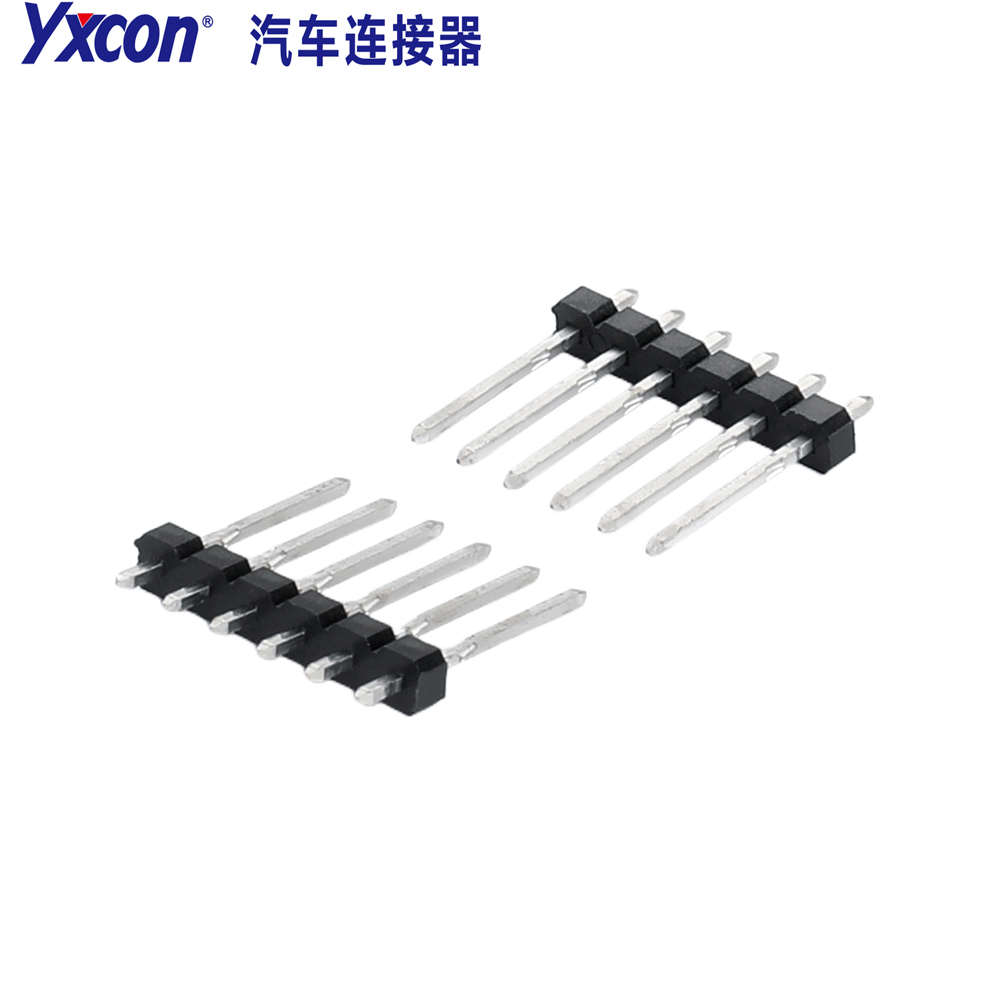
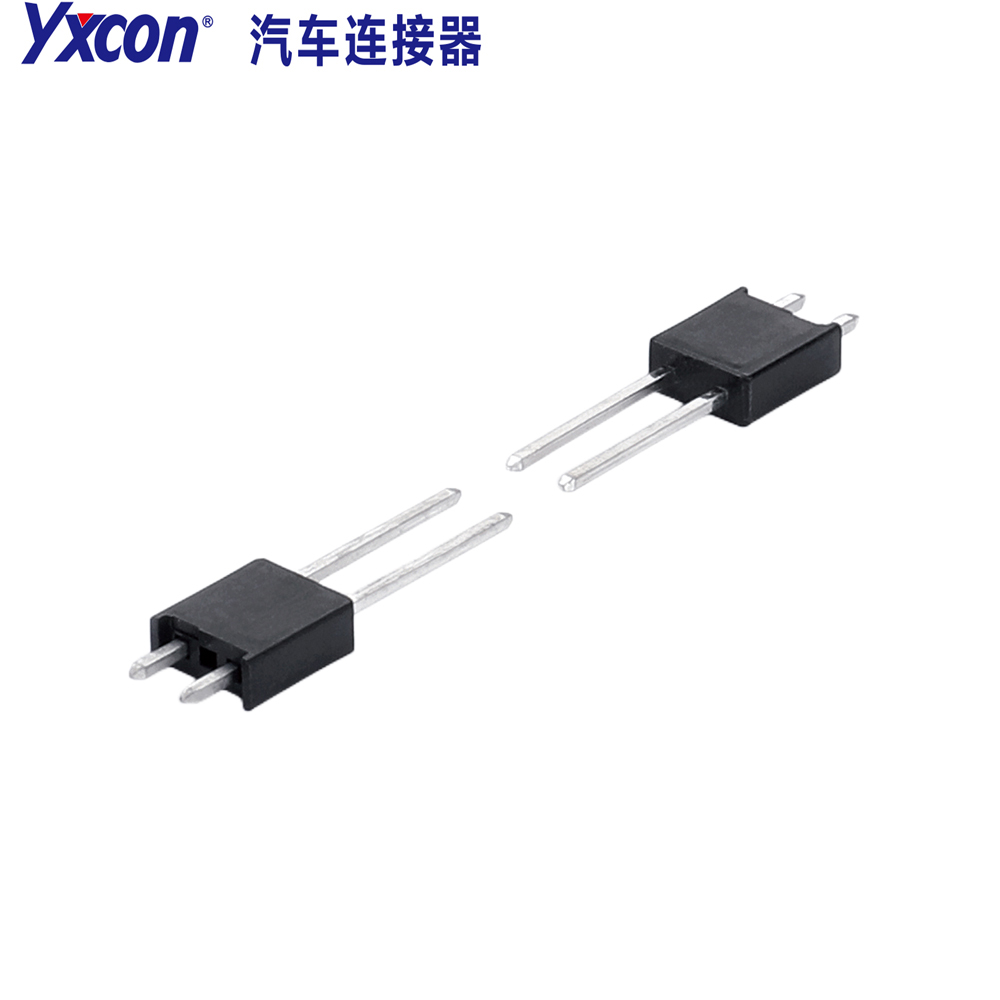
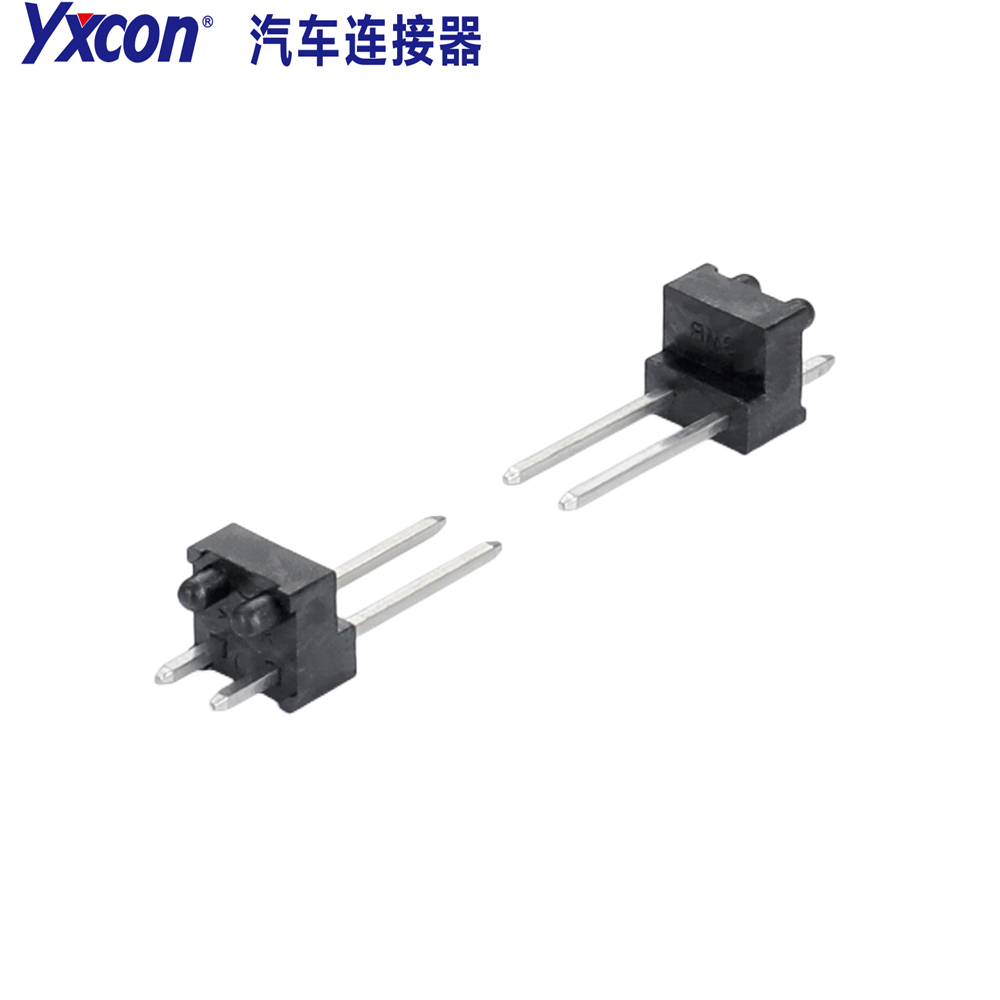
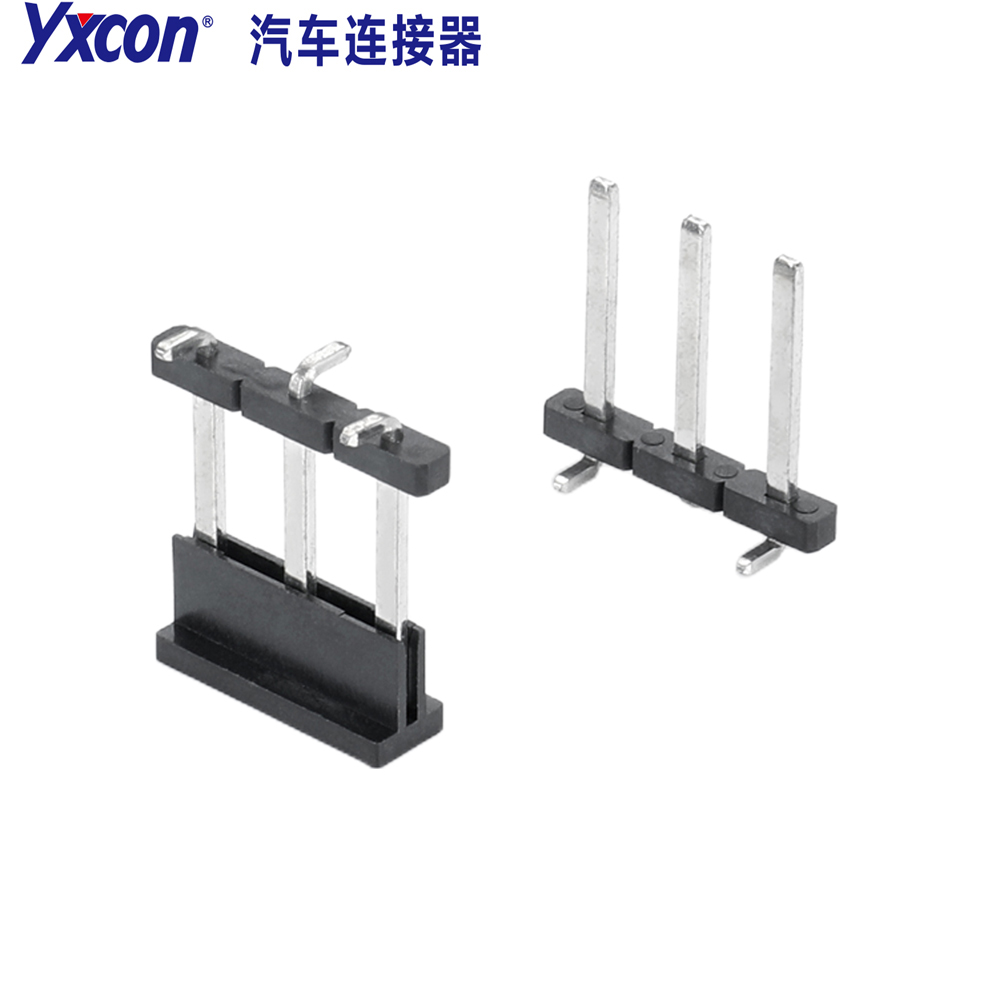
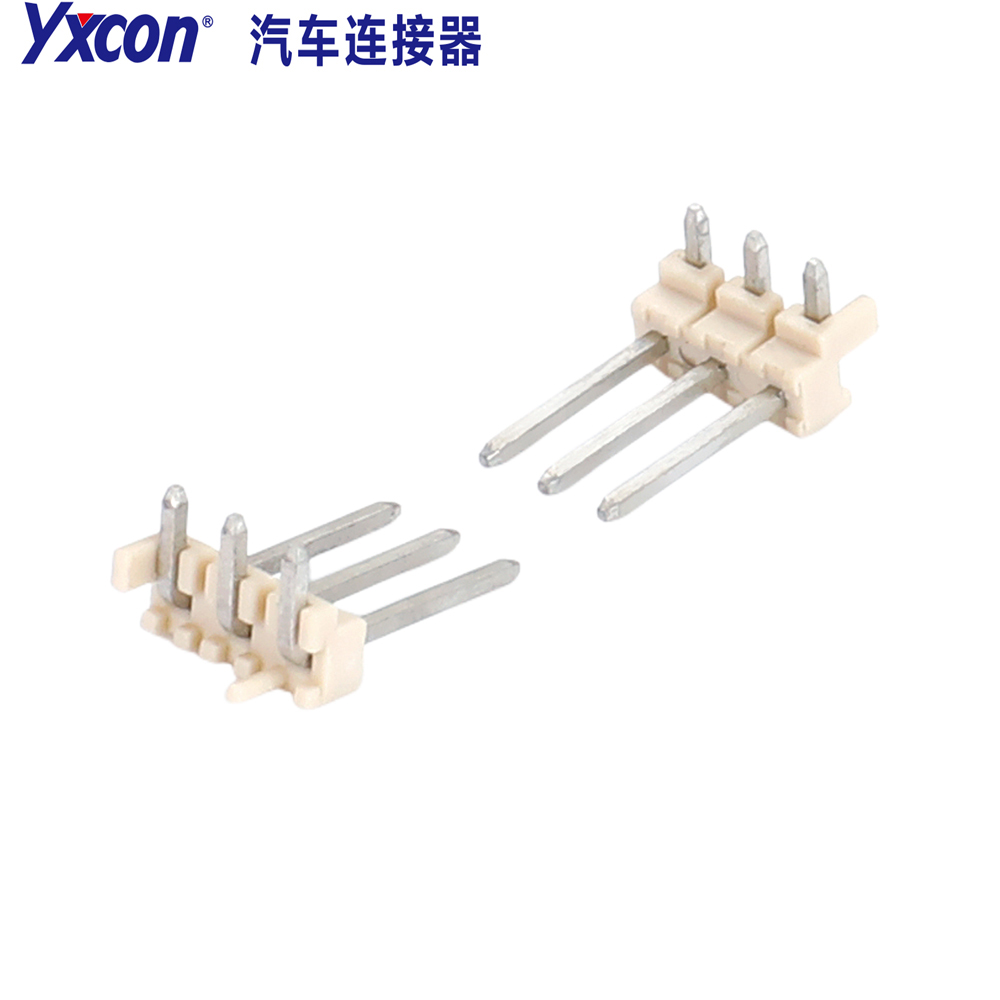
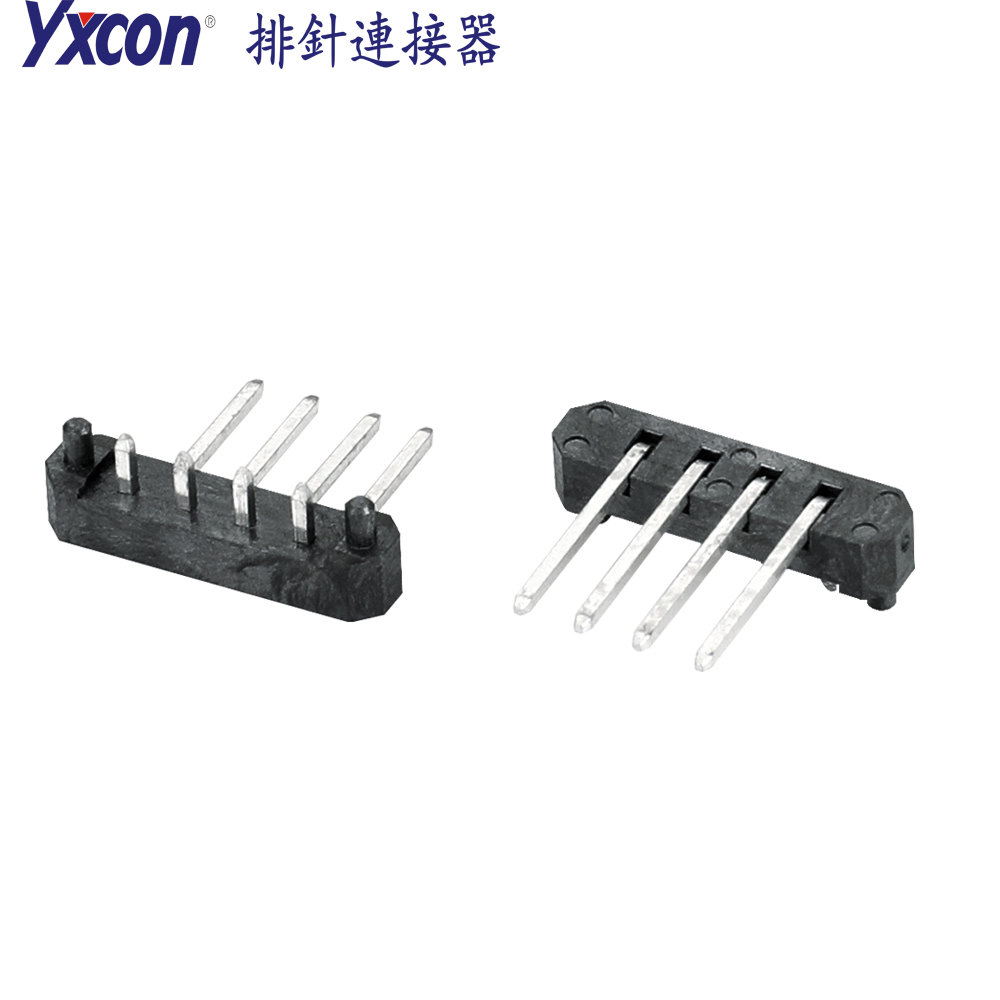
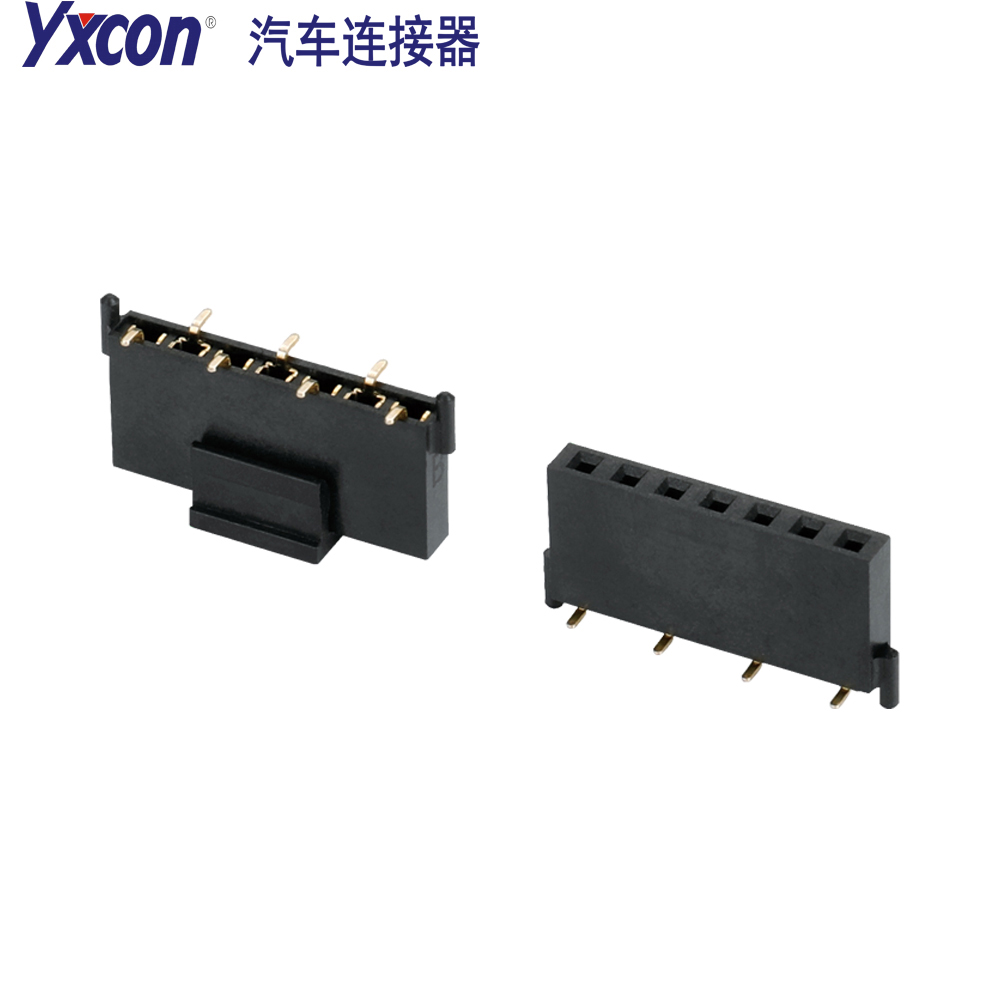
The FH2.54-8.5 1-7P SMT with outer posts U-shaped automotive connector is a precision connection device designed specifically for the automotive electronics field. From the product name, we can clearly interpret its key features: FH represents the product series, and 2.54mm is the industry-standard pin pitch, a spacing design that offers broad compatibility in automotive electronics PCB board-to-wire connections. The 8.5mm height specification provides the connector with sufficient spatial margin, ensuring electrical performance while also accommodating the compact installation environment inside automobiles.
The most notable feature of this automotive connector lies in the professionalism of its structural design. As an SMT connector, it uses surface-mount technology packaging, which means it can be mounted directly onto the PCB surface and supports operation by automated production equipment. The product offers a variety of pin count options from 1P to 7P, and this flexible selection scheme can meet circuit design requirements of varying complexity. Whether for simple power connections or complex signal transmission, engineers can choose the appropriate pin count configuration according to actual needs.
In terms of application scenarios, this connector is widely used in precision fields such as in-vehicle navigation systems, dashboard display modules, lighting control modules, various sensors, and body electronic systems. These application scenarios place extremely high reliability requirements on connectors, because any connection failure may lead to serious functional failure or even safety hazards. Therefore, product design must fully consider the particularities of the automotive environment, including temperature changes, vibration and impact, humidity and corrosion, and various other harsh conditions.
Structural Design and Process Analysis
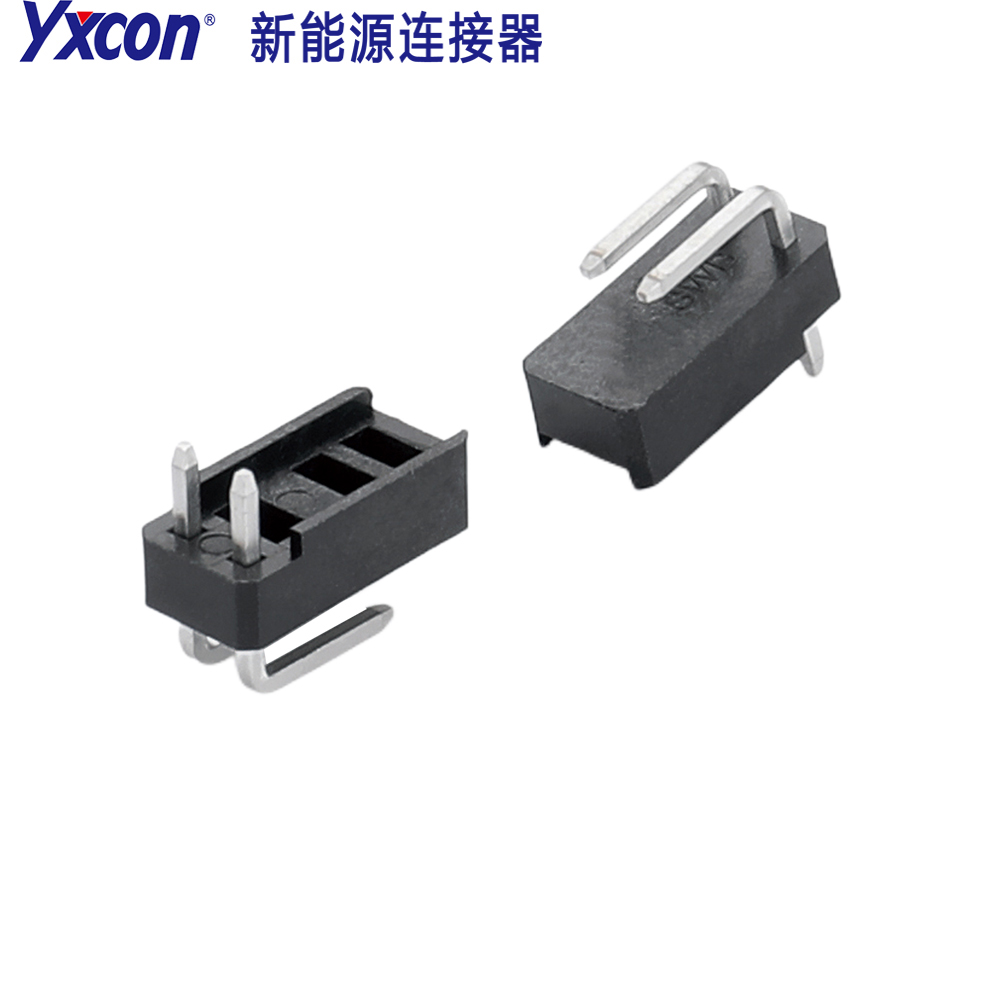
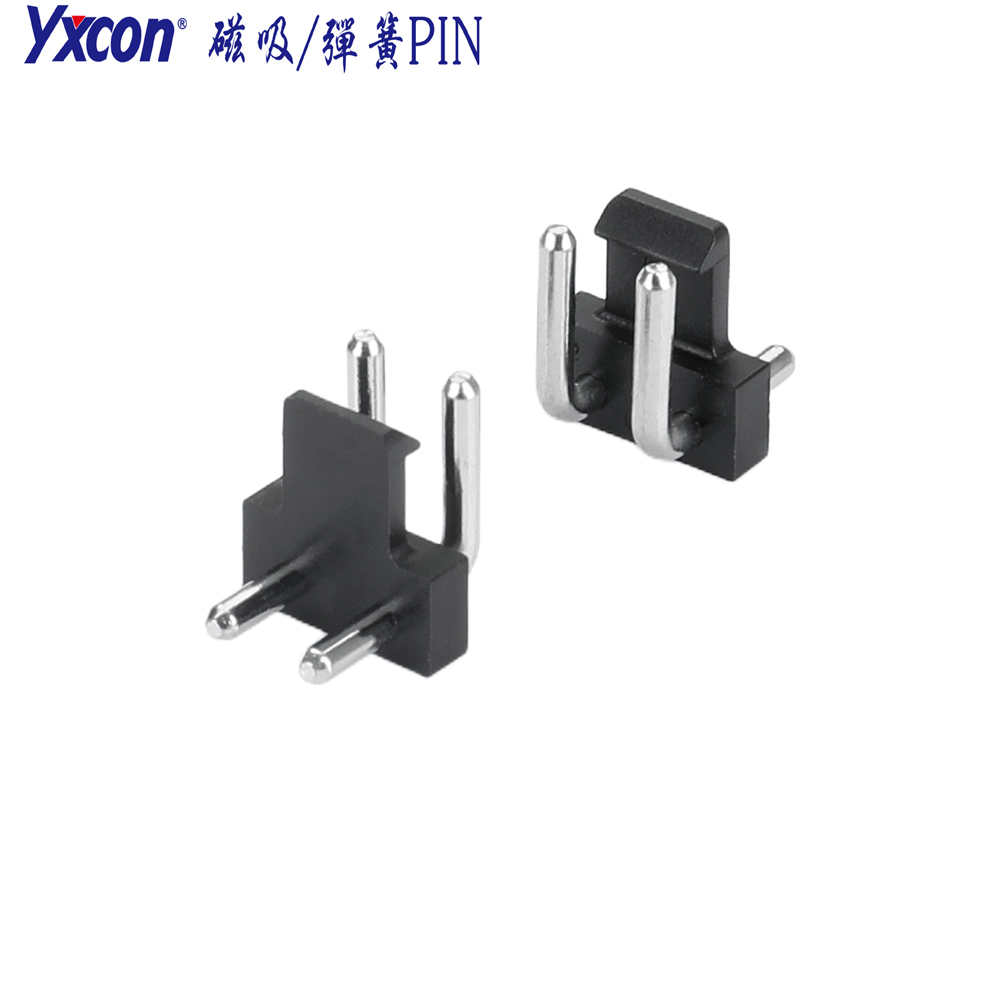
This automotive connector adopts a unique U-shaped terminal structure design, which is one of its core competitive advantages. The U-shaped connector structure has a mature application history in the field of electrical connection, and its advantage lies in providing multi-point contact to ensure stable signal transmission. The elastic characteristics of the U-shaped terminal enable it to maintain good contact pressure during insertion and extraction, and to maintain reliable electrical connection even under long-term vibration environments. Compared with traditional single-point contact structures, this design has obvious advantages in vibration resistance.
The outer post design is another highlight of this product. The connector with outer posts significantly enhances the mechanical strength of the connector by adding reinforcing posts outside the main structure. These outer posts play a key positioning role during the SMT mounting process and can effectively prevent the connector from shifting or tilting during reflow soldering. More importantly, the outer post structure greatly improves the connector's shear resistance. When the connector is subjected to external mechanical stress, the outer posts can share part of the load and protect the internal precision U-shaped terminals from damage.
From the perspective of manufacturing process, the production of SMT connectors requires extremely high precision. Surface-mount technology requires precise component placement and soldering on tiny pads, which imposes strict standards on the connector's pin coplanarity and dimensional accuracy. This product is manufactured with precision processes to ensure that the dimensional tolerance of each connector is controlled within a reasonable range, thereby supporting the efficient operation of high-speed automated mounting equipment. Good process control not only improves assembly efficiency but, more importantly, ensures product consistency and reliability.
Automotive-Grade Reliability Performance
The reliability standards for automotive electronic products are far higher than those for consumer electronic products. This automotive connector clearly meets automotive-grade standard requirements, which is its most important quality assurance. In terms of high-temperature resistance, the temperature variation range inside automobiles is extremely wide, from cold winter starts to high temperatures after summer exposure, and connectors must be able to maintain stable electrical and mechanical performance under extreme temperature conditions. Automotive-grade connectors usually need to pass strict high-low temperature cycling tests to ensure that problems such as material aging, increased contact resistance, or mechanical structure failure do not occur when temperatures change drastically.
Vibration resistance is another key indicator of automotive connectors. During vehicle driving, continuous vibrations of various frequencies are generated, and these vibrations may cause connectors to loosen, have poor contact, or even fall off. This U-shaped connector with outer posts addresses the vibration challenge through a dual safeguard mechanism. First, the elastic contact design of the U-shaped terminal can automatically compensate for small displacements during vibration and maintain stable contact pressure. Second, the outer post structure provides additional mechanical locking force to prevent the entire connector from loosening from the PCB. This combined design effectively eliminates the risk of cold solder joints and detachment.
In terms of adaptability in complex in-vehicle environments, this connector also needs to cope with multiple challenges such as humidity, chemical corrosion, and electromagnetic interference. The environments in locations such as the automotive engine compartment and chassis area are particularly harsh, and connectors must have good sealing performance and corrosion resistance. Although the product information does not list specific protection ratings in detail, as an automotive-grade product, its material selection and structural design must have taken these factors into consideration. The engineering plastics and metal terminal materials used in the connector must all have excellent chemical corrosion resistance to cope with various oils, cleaning agents, and other chemicals that may be encountered during vehicle use.
SMT Mounting and Automated Production Experience
In actual SMT mounting processes, the performance of this connector deserves in-depth analysis. Compared with traditional through-hole connectors, the biggest advantage of SMT connectors is that they enable fully automated production. Modern SMT production lines are equipped with high-precision placement machines and reflow soldering ovens, which can complete component placement and soldering at extremely high speed and precision. This FH2.54 series connector uses standard SMT packaging and is fully compatible with mainstream automated production equipment, which is of great significance for improving assembly efficiency and yield.
The outer post design plays an important auxiliary role in the SMT mounting process. During the process of the placement machine picking up and placing the connector, the outer post structure provides additional mechanical support points, making the positioning of the connector on the PCB more accurate and stable. Especially during reflow soldering, the surface tension when the solder paste melts may exert displacement force on the component, and the outer post structure can increase the mechanical locking between the connector and the PCB, reducing the risk of soldering offset. This has practical value for ensuring soldering quality and reducing rework rates.
From the perspective of production efficiency, the design of this connector fully considers the needs of mass production. The multiple pin count options from 1P to 7P allow products in the same series to cover different application needs, simplifying material management and inventory control. The SMT process itself has the characteristics of good soldering consistency and high solder joint reliability. Combined with the precision design of this connector, it can greatly improve overall assembly yield. For automotive electronics manufacturers, an increase in yield directly means lower costs and stronger delivery capability.
Analysis of Actual Application Scenarios
In-vehicle navigation systems are standard equipment in modern automobiles, and the requirements of such devices for connectors are concentrated on signal integrity and interference resistance. Navigation systems need to handle multiple types of data transmission such as GPS signals, video signals, and audio signals. The multiple specification options from 1P to 7P provided by the FH2.54-8.5 connector can flexibly adapt to different signal transmission needs. The U-shaped contact structure ensures the stability of signal transmission, especially under the continuous vibration environment during vehicle driving, maintaining signals without interruption or attenuation.
The dashboard module is the main interface through which drivers obtain vehicle information, and its reliability is directly related to driving safety. The interior of the dashboard integrates acquisition and processing circuits for multiple sensor signals, and these circuits need to communicate with external systems through connectors. The mechanical strength advantage of the connector with outer posts is fully demonstrated here. The dashboard is installed at the front of the vehicle and directly bears vibration and impact from the road surface. Ordinary connectors may loosen, while the outer post reinforcement design of this product can effectively prevent such problems from occurring.
Lighting control modules and body electronic systems place higher requirements on the connector's environmental resistance. Vehicle lights, especially headlights, generate a large amount of heat during operation, while scenarios such as vehicle cleaning and driving in rain will expose the connector to humid environments. This automotive connector meets automotive-grade standard requirements and has high-temperature resistance and vibration resistance, enabling long-term stable operation in such complex environments. Sensor applications, meanwhile, have extremely high requirements for signal transmission accuracy, and any poor contact may cause distortion of sensor data. The multi-point contact design of the U-shaped terminal provides reliable assurance for this.
Comparative Analysis of Advantages and Disadvantages
In terms of advantages, this FH2.54-8.5 1-7P SMT with outer posts U-shaped automotive connector performs outstandingly. First, its automotive-grade quality is a core competitive advantage. Meeting automotive-grade standard requirements means the product has undergone strict quality verification and can work reliably over the long term in harsh automotive environments. Second, the unique outer post design significantly enhances mechanical strength, makes installation more secure, and effectively eliminates the risk of cold solder joints and detachment, which is crucial for the safety of automotive electronics. Third, the U-shaped terminal structure provides stable contact performance, ensuring signal transmission is completely reliable, especially with excellent vibration resistance. Fourth, SMT surface-mount packaging supports automated production, greatly improving assembly efficiency and yield, in line with the development trend of modern manufacturing. Fifth, the flexible selection scheme from 1P to 7P can meet different circuit design needs, providing engineers with ample choice.
In terms of shortcomings, we need to analyze objectively. First, although the 2.54mm pitch has good compatibility, it may occupy more space in high-density PCB designs and may not be the most compact choice for modern automotive electronic modules pursuing extreme miniaturization. Second, the 8.5mm height may be limited in some ultra-thin applications. Although the product information does not clearly state the minimum installation height requirement, the 8.5mm height specification itself poses a challenge for scenarios with limited space. Third, as a dedicated automotive connector, its cost may be higher than general-purpose connectors. Although the product information does not provide specific price information, the certification and testing costs of automotive-grade products are usually reflected in the final price. Fourth, although the U-shaped terminal structure has high reliability, the number of insertion and extraction cycles may be limited, and application scenarios involving frequent insertion and extraction require careful evaluation.
From the perspective of matching application scenarios, this connector is most suitable for automotive electronic applications that have extremely high reliability requirements, harsh working environments, and do not require frequent insertion and extraction. For consumer electronics or other non-automotive applications, its automotive-grade characteristics may be over-design, and its cost-effectiveness advantage is not obvious. Therefore, engineers need to fully consider actual application requirements and weigh the relationship between performance and cost when selecting models.
Comprehensive Rating and Detailed Analysis
In the design dimension, I give this automotive connector a high score of 9 points. The product design fully considers the special needs of automotive electronics, and the combined design of outer posts and U-shaped terminals both improves mechanical strength and ensures the reliability of electrical connection. The 2.54mm standard pitch, 8.5mm height, and multiple specification options from 1P to 7P reflect good engineering thinking, ensuring compatibility while also providing flexibility. The SMT mounting design meets the requirements of modern manufacturing processes, and the overall design maturity is very high.
In the performance dimension, this connector also receives 9 points. Automotive-grade standard requirements ensure the product's stable performance under harsh environments such as high temperature and vibration. The U-shaped contact structure provides reliable signal transmission performance, and the outer post design enhances vibration resistance and detachment resistance. Although detailed data such as rated current, contact resistance, and insulation resistance are not provided, it can be inferred from the structural design that its performance can meet the needs of most automotive electronic applications. Meeting automotive-grade standard requirements is the most important performance assurance.
In the value dimension, I give 8.5 points. As an automotive-grade product, its quality and reliability have obvious advantages. For automotive electronics projects, choosing professional and reliable connectors can reduce later maintenance costs and quality risks, and it has good value from the perspective of full life cycle cost. The SMT process supports automated production and improves assembly efficiency and yield, which also creates value for manufacturers. However, for non-automotive applications or extremely cost-sensitive projects, the cost-effectiveness of this connector may need to be re-evaluated.
In the ease-of-use dimension, this connector receives 8.5 points. SMT packaging supports automated mounting, and the outer post design assists positioning. These features all improve convenience of use. The flexible selection scheme from 1P to 7P allows engineers to choose the most suitable specification according to actual needs. However, SMT connectors themselves have certain requirements for soldering processes and require corresponding production equipment and process control capabilities, which may pose a certain threshold for some small manufacturers or R&D laboratories.
Final Evaluation and Purchasing Recommendations
Overall, the FH2.54-8.5 1-7P SMT with outer posts U-shaped automotive connector is an automotive-grade connection product with a very high professional standard. Its structural design fully considers the stringent requirements of automotive electronics, and the combined design of outer posts and U-shaped terminals provides dual reliability assurance. The product meets automotive-grade standard requirements, has performance characteristics of high-temperature resistance and vibration resistance, and can adapt to complex in-vehicle environments. SMT surface-mount packaging supports automated production, helping to improve assembly efficiency and yield. The flexible selection scheme from 1P to 7P provides ample choice for different circuit designs.
For automotive electronics engineers, this connector is an ideal choice for PCB board-to-wire connections. Especially in precision fields such as in-vehicle navigation, dashboards, lighting control modules, sensors, and body electronic systems, its reliability and adaptability have been fully verified. If your project has extremely high reliability requirements for connectors and the working environment presents challenges such as vibration and temperature changes, then this automotive connector is worth focusing on. Its outer post design and U-shaped contact structure can effectively prevent vibration-induced loosening and ensure signal transmission is completely reliable.
In terms of purchasing recommendations, engineers should choose the appropriate pin count specification according to actual circuit requirements. The multiple options from 1P to 7P can meet most application scenarios. At the same time, it is necessary to confirm whether the production side has SMT mounting capability, because SMT connectors have certain requirements for soldering processes. Although the product information does not provide detailed electrical parameters and price information, based on its automotive-grade positioning and structural design, it can be expected that its performance and cost level are both in the professional range. For automotive electronics projects pursuing stable transmission and safety assurance, choosing this professional automotive connector is undoubtedly a wise decision.


