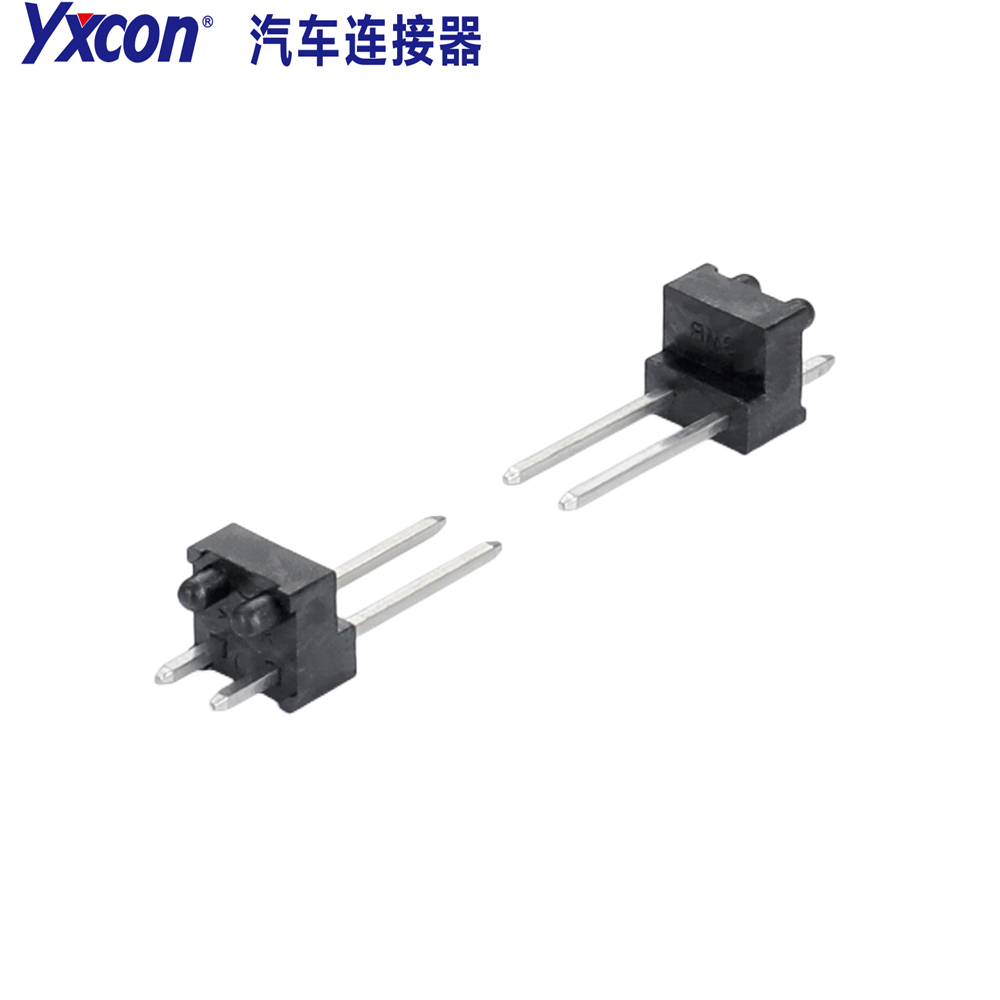
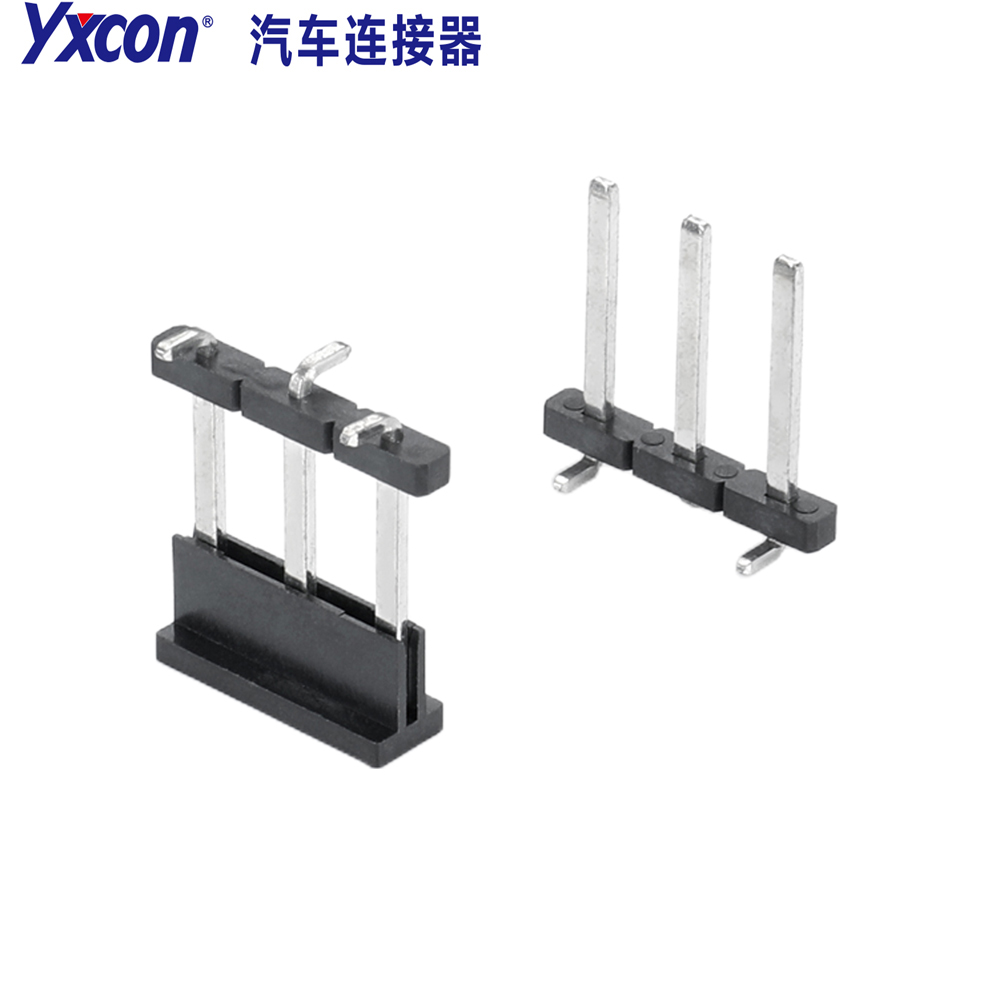
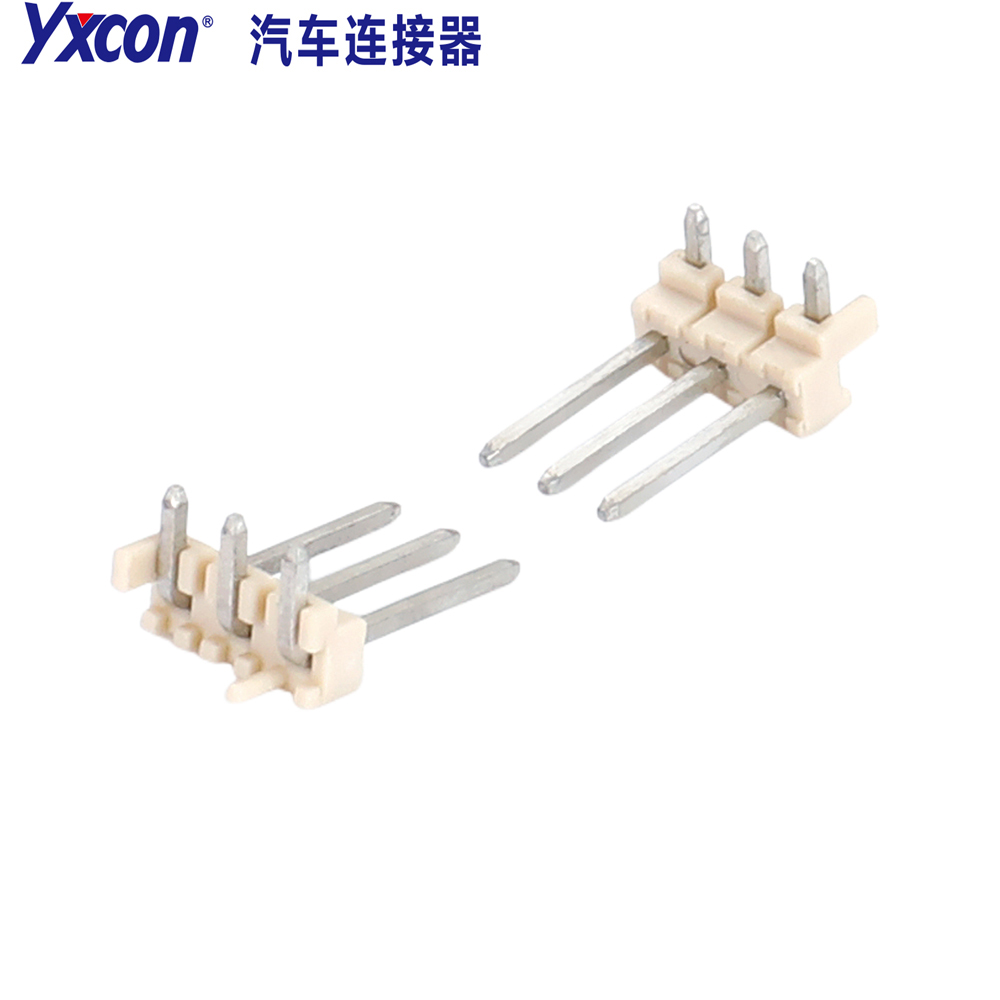
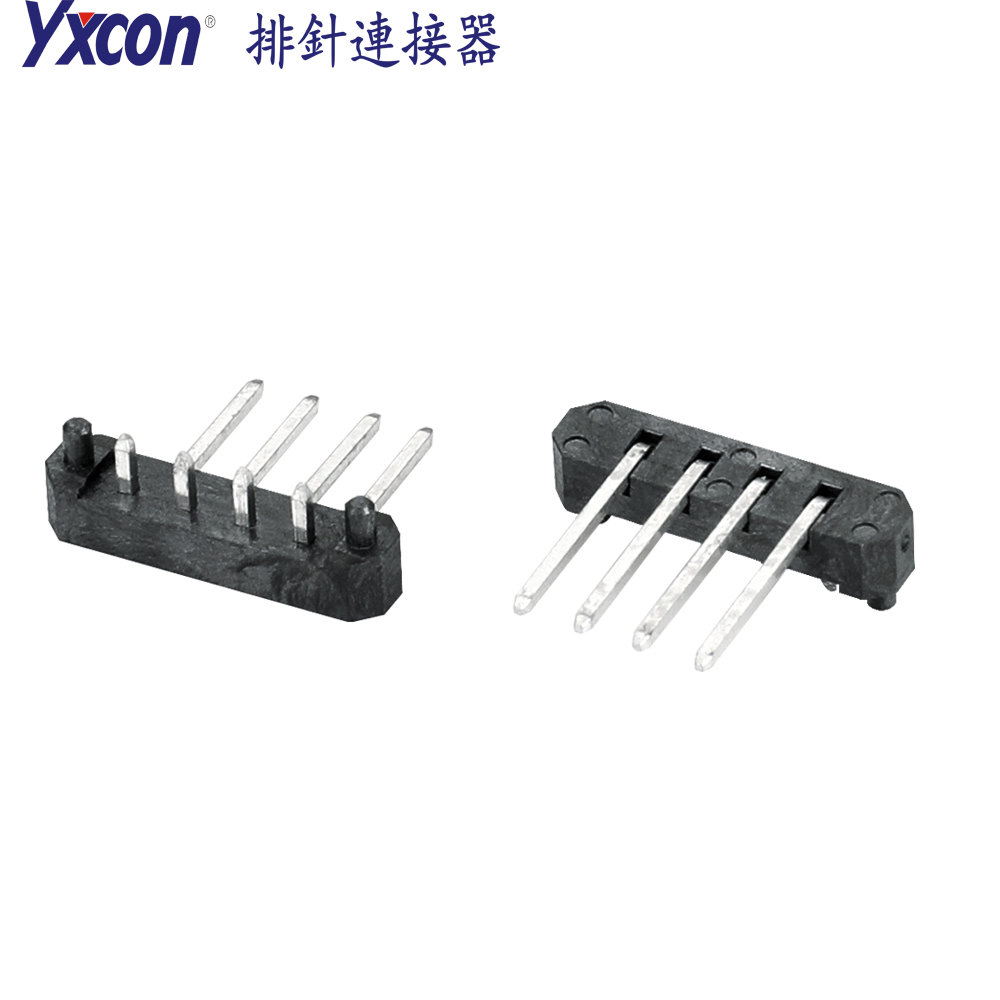
Pin Header Connector
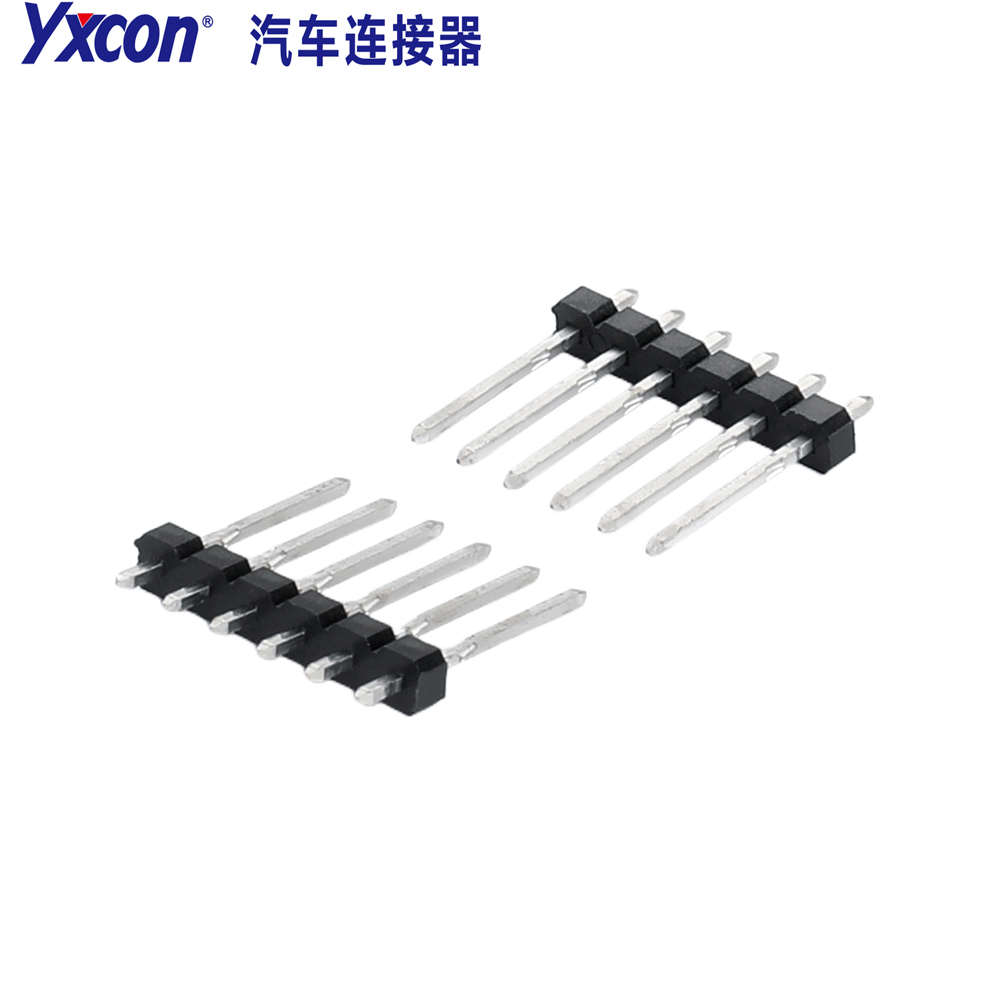
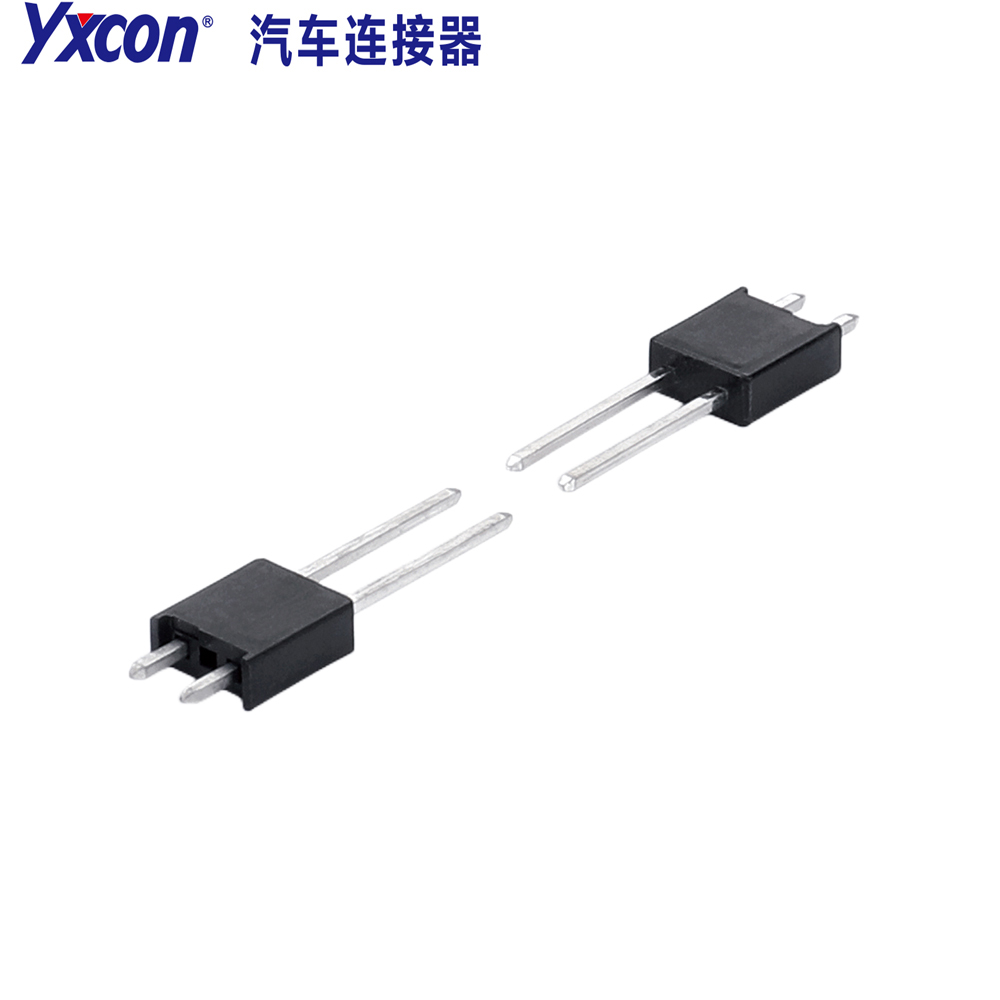
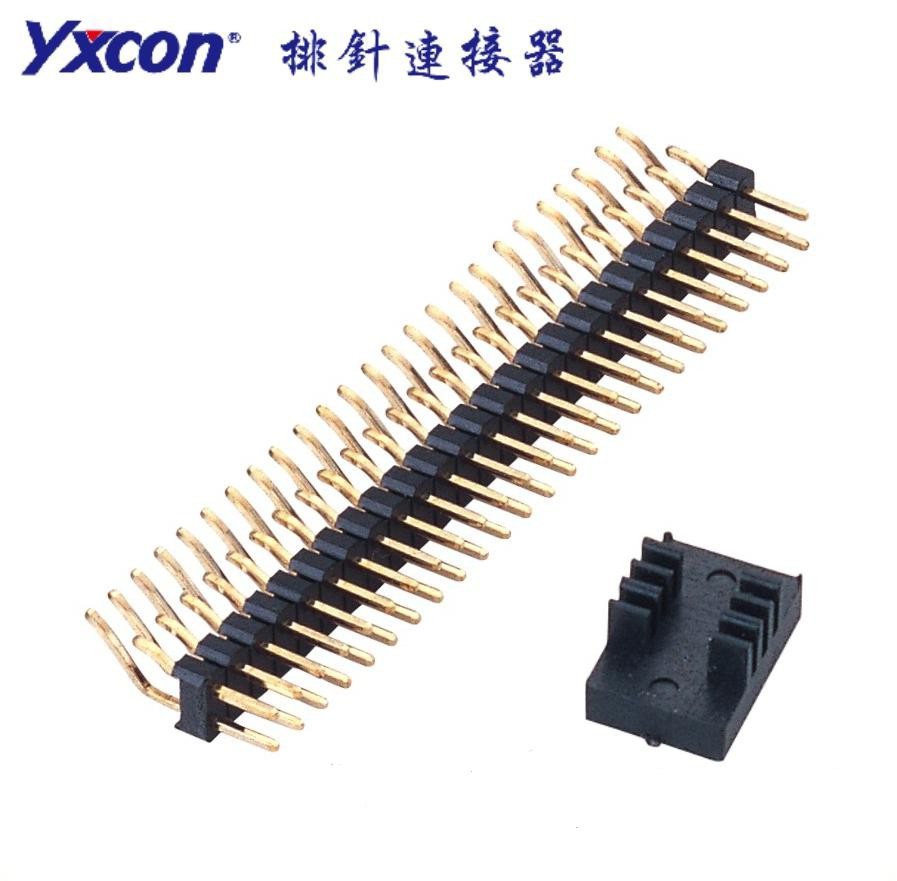
Pin header, a type of connector, is called Pin Header in English.
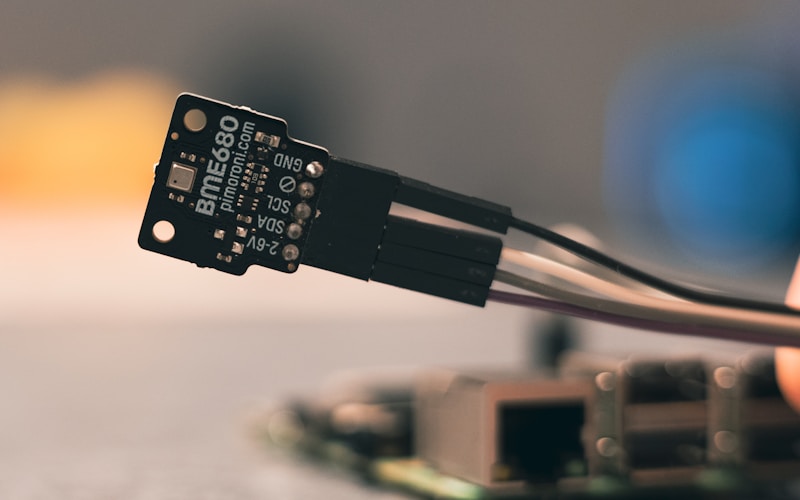
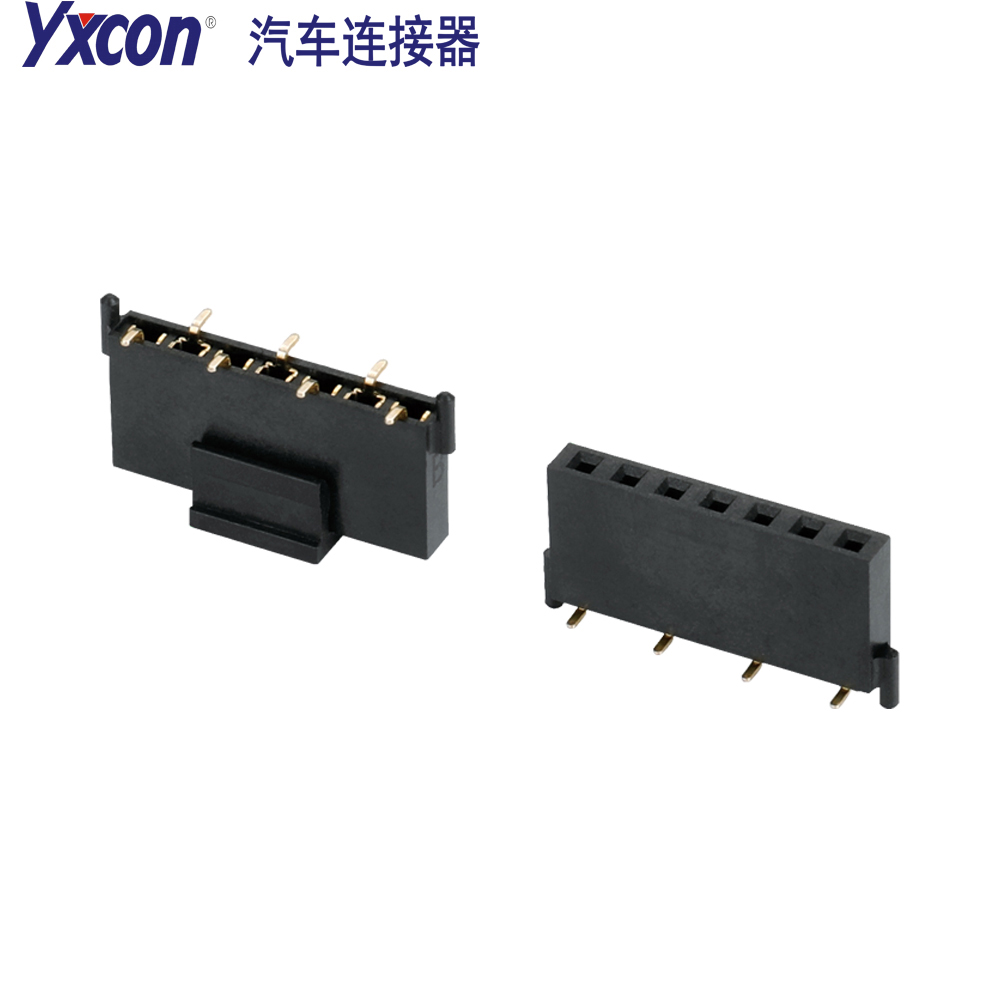
This connector is widely used in PCB circuit boards for electronic devices, electrical equipment, and instruments. It acts as a bridge between blocked or isolated circuits within a board, carrying current or signal transmission. It is usually paired with female headers to form board-to-board connections; used with electronic wire harness terminals to form board-to-wire connections; or used independently for board-to-board connections.
Because different products require different specifications, pin headers come in a variety of models and sizes. According to the electronic industry's pin header connector standards:
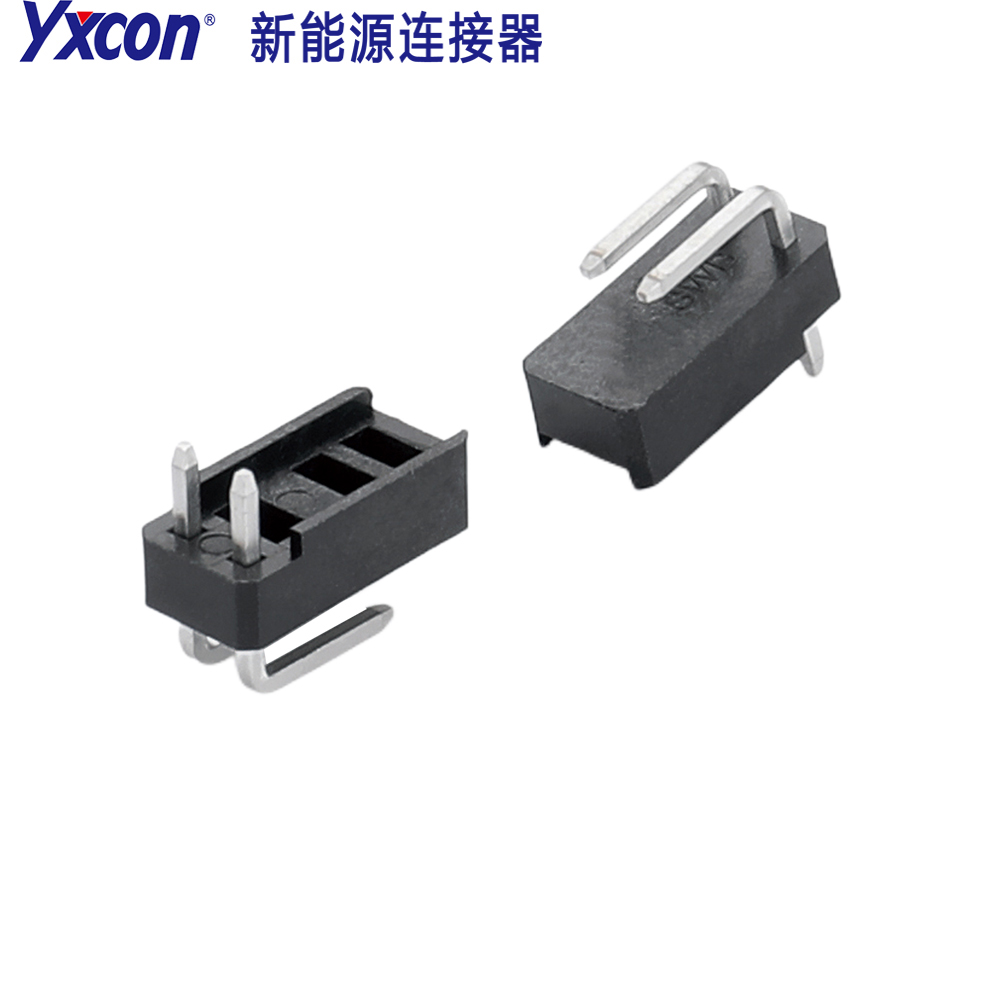
By pitch, they are roughly divided into five categories: 2.54mm, 2.00mm, 1.27mm, 1.00mm, and 0.8mm. By row count, they include single-row pin headers, dual-row pin headers, and triple-row pin headers. By package type, there are SMT surface-mount (horizontal/vertical) and DIP through-hole (straight/right-angle) styles. By mounting orientation: 180° is denoted by S, 90° by W, and SMT by T.
Number of rows: single row, double row, triple row, quadruple row; up to four rows.
Pin count: 02 to 80
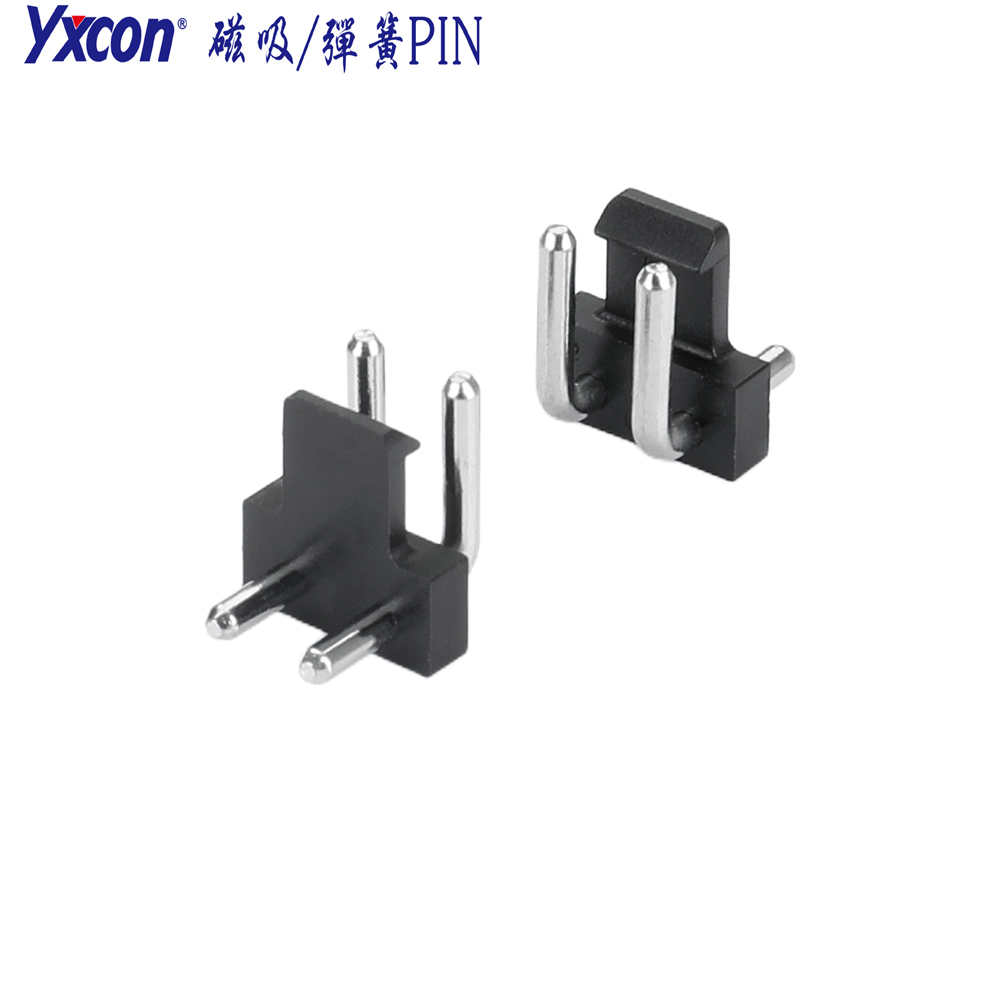
Pin legs: straight, right-angle, SMT; pin sizes.
Dimensions: overall dimensions (length, width, thickness) and row spacing.
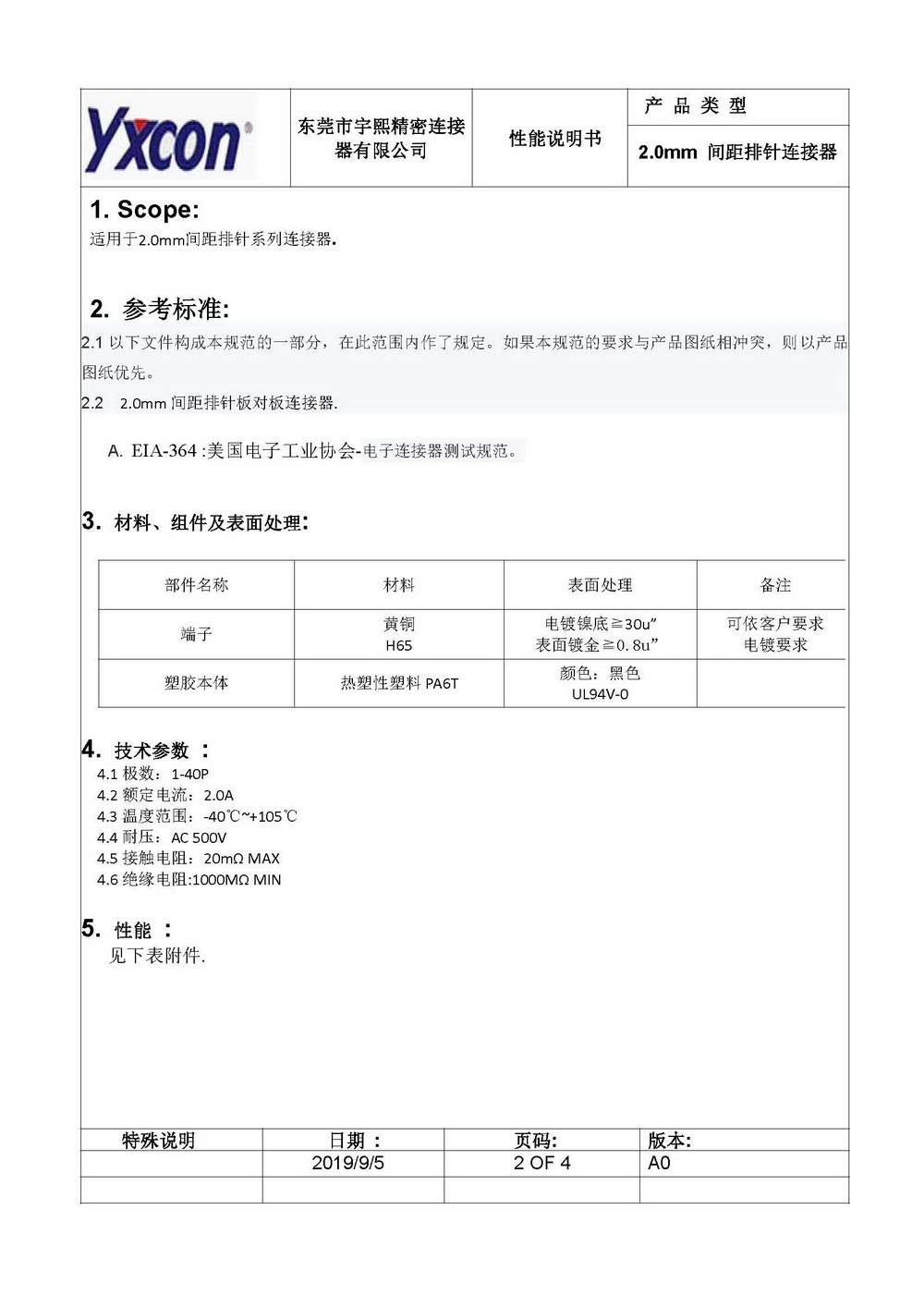
Pitch: available in 0.8, 1.0, 1.27, 2.0, and 2.54 mm pitch.
Material: contact material and surface finish, insulator material.
Packaging: blister pack, tape and reel, bulk.
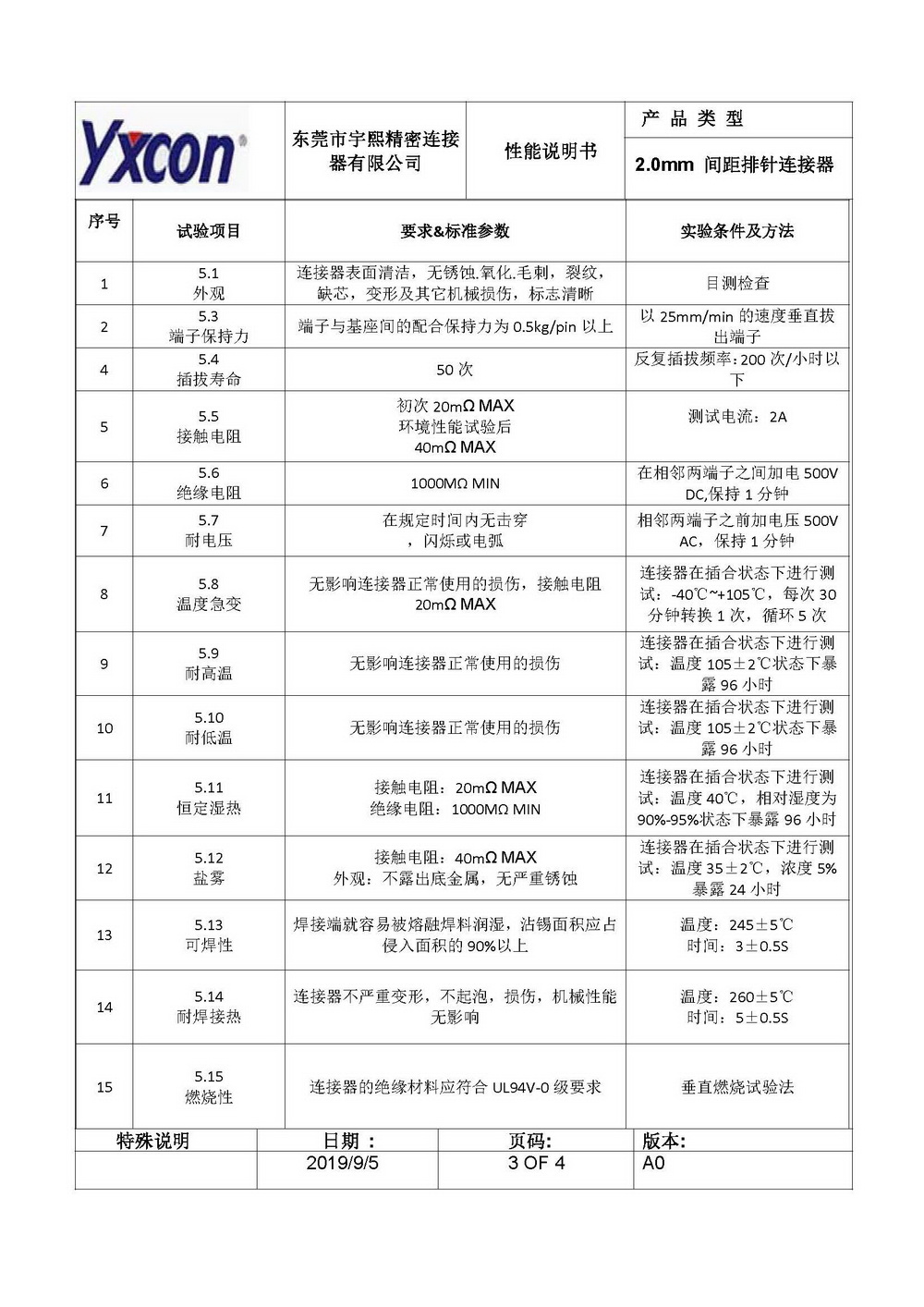
Materials: pin material: brass or phosphor bronze; insulator material: UL94V-0 plastic.
Surface finish: gold plating 0.8u, tin plating, nickel plating.
Manufacturing process: The pin header production process mainly includes: first, the pins are machined from brass (or phosphor bronze) to specification,
then plated with nickel first and gold as required; the insulator section is molded; and finally the pins are inserted into the insulator on specialized equipment according to
the required dimensions.
Note: Many factors affect pricing; generally the biggest impacts are gold plating, pin length, etc. [1]
Pin header parameter examples
Features: single-row and double-row configurations, straight and right-angle pins, 2.54mm and 3.96mm pitch spacing, and multiple pin lengths.
Pin Header Applications
● Data processing ● Computers ● Program control equipment ● Electronic measuring equipment ● Automatic control ● Automation ● Communications
The rectangular pin cross-section is 0.8×1.6mm with a 7.5A current rating. The socket has at least two independent spring contacts and four contact points, and its design prevents mismating. The 254/I series square pins feature a 0.64×0.64mm cross-section. Both pin types use blunt-edge corner designs, making them suitable for high-frequency applications. Contact areas are gold-plated for corrosion resistance, low contact resistance, and high reliability. [2]