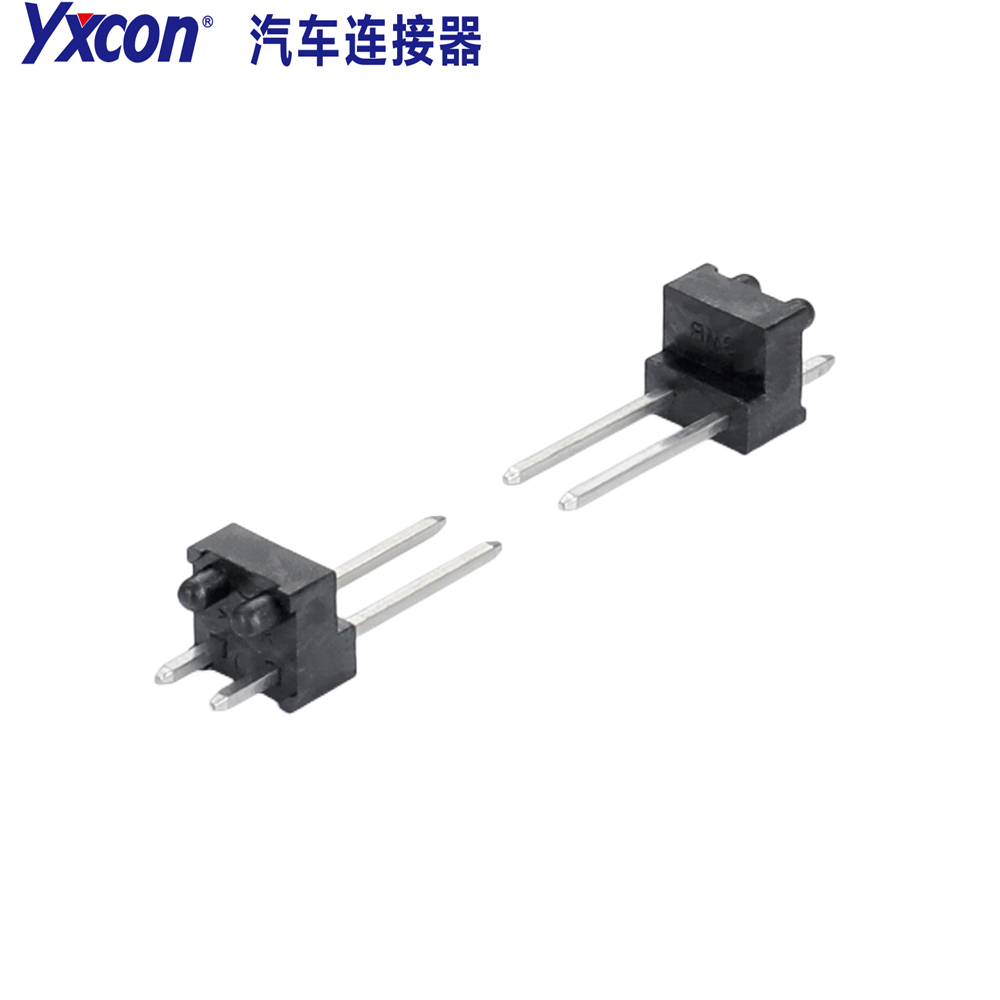
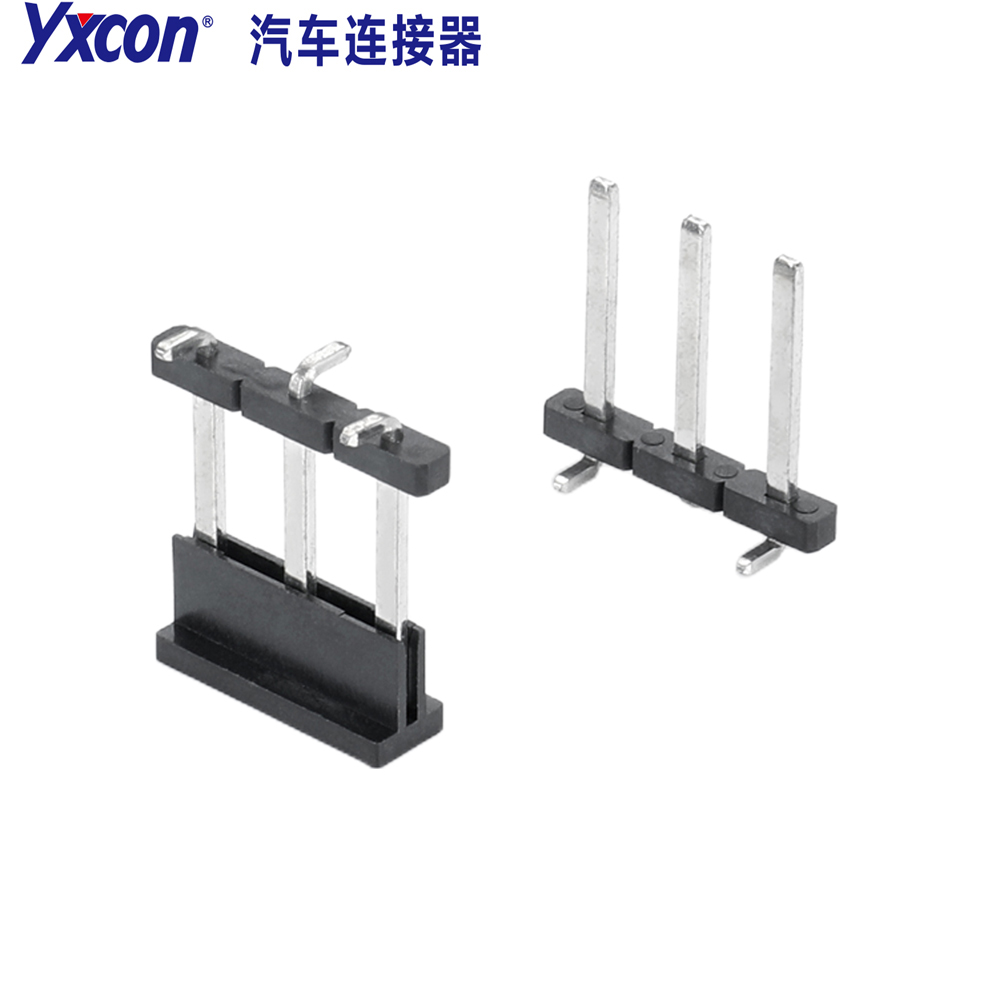
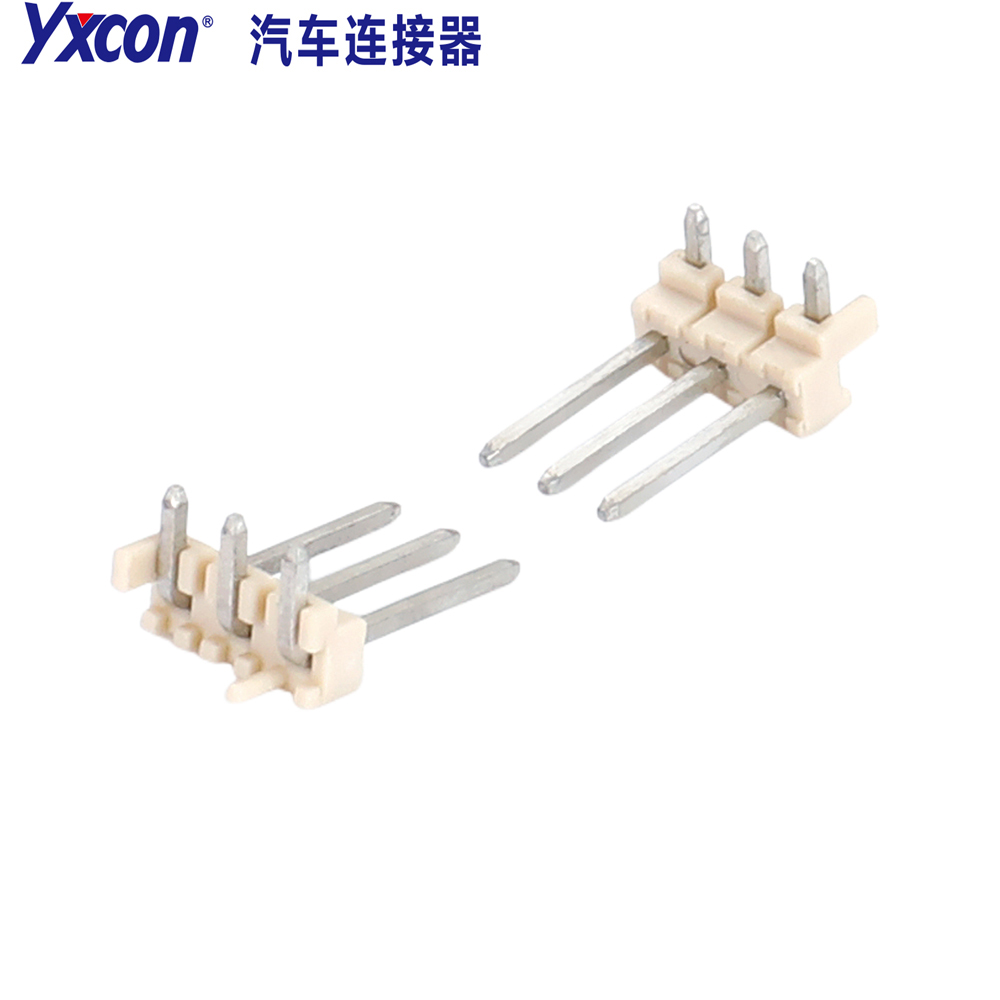
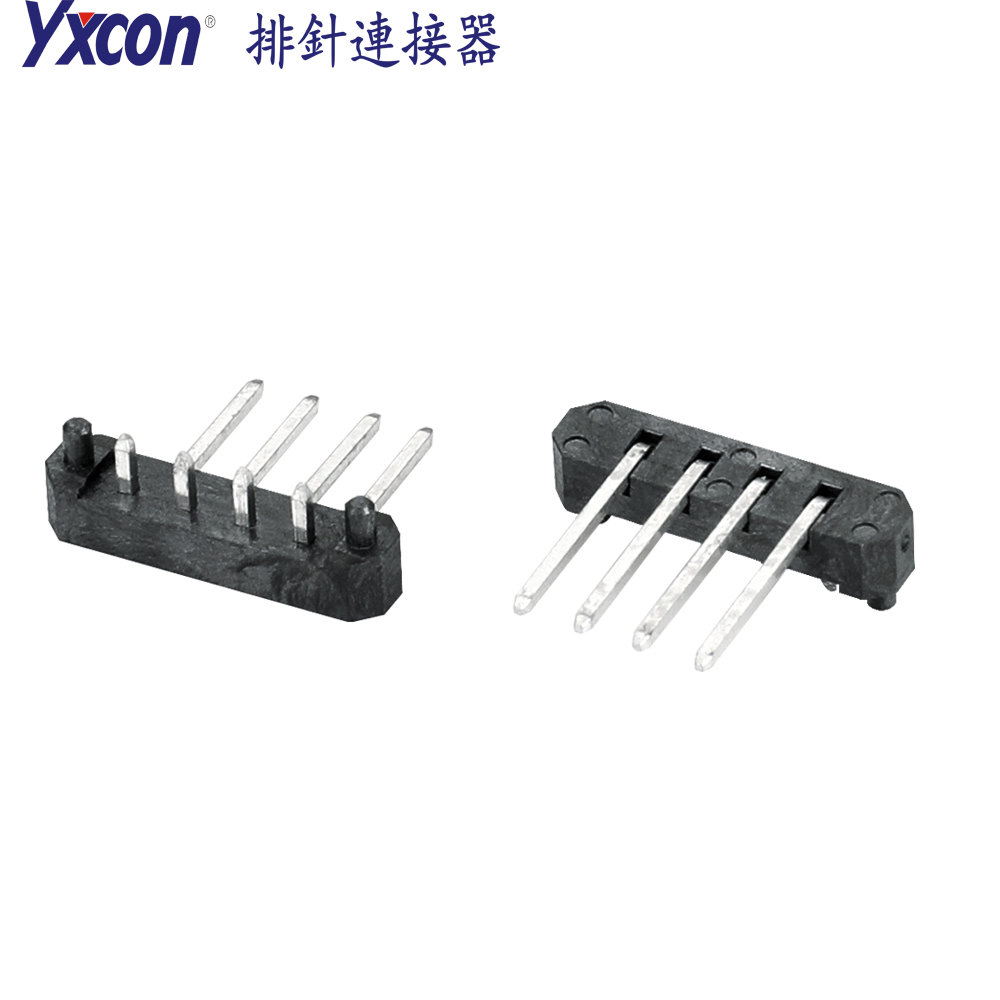
Pin Header Introduction:
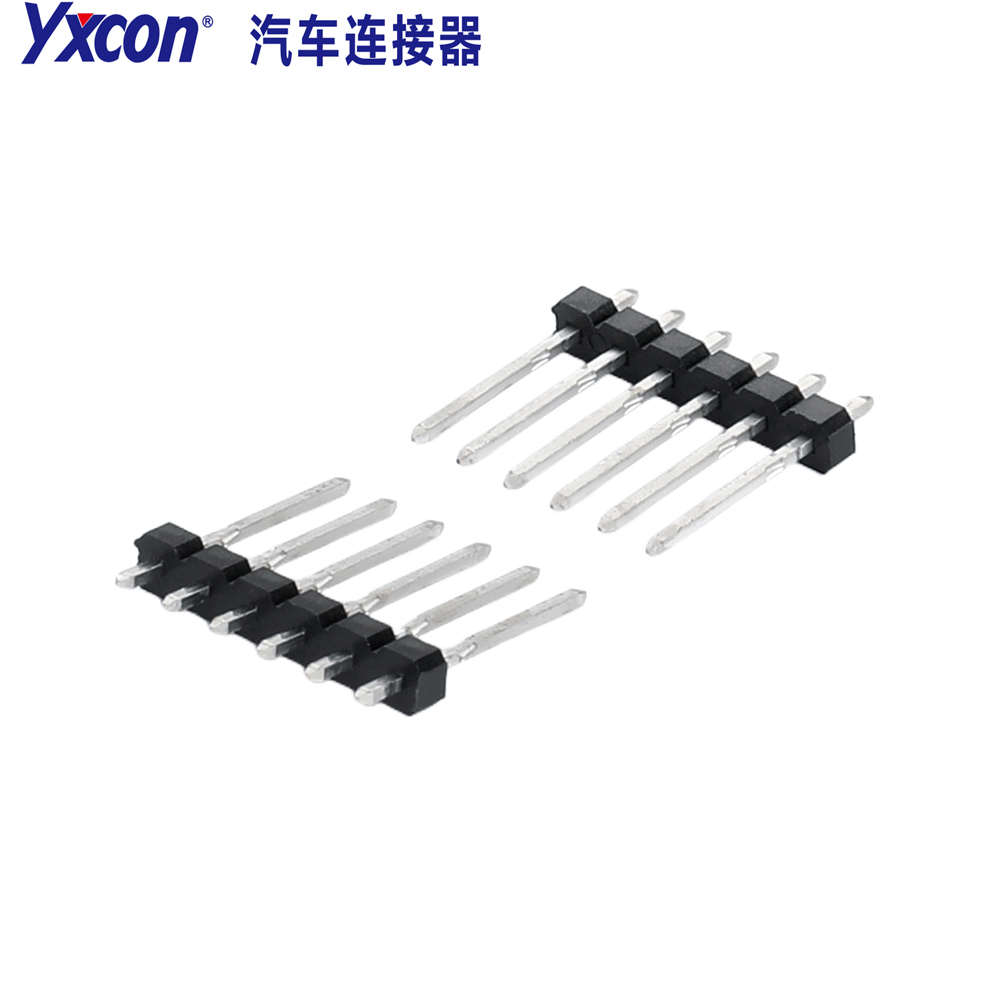
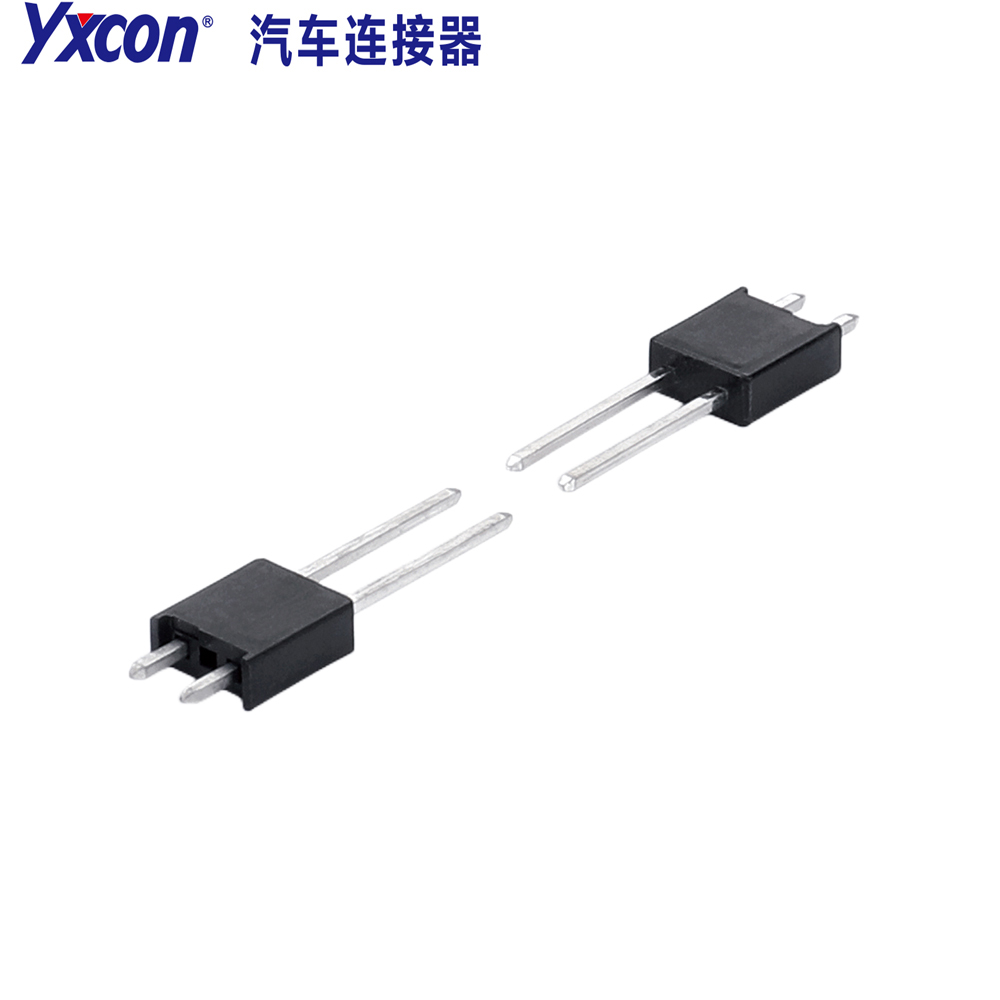
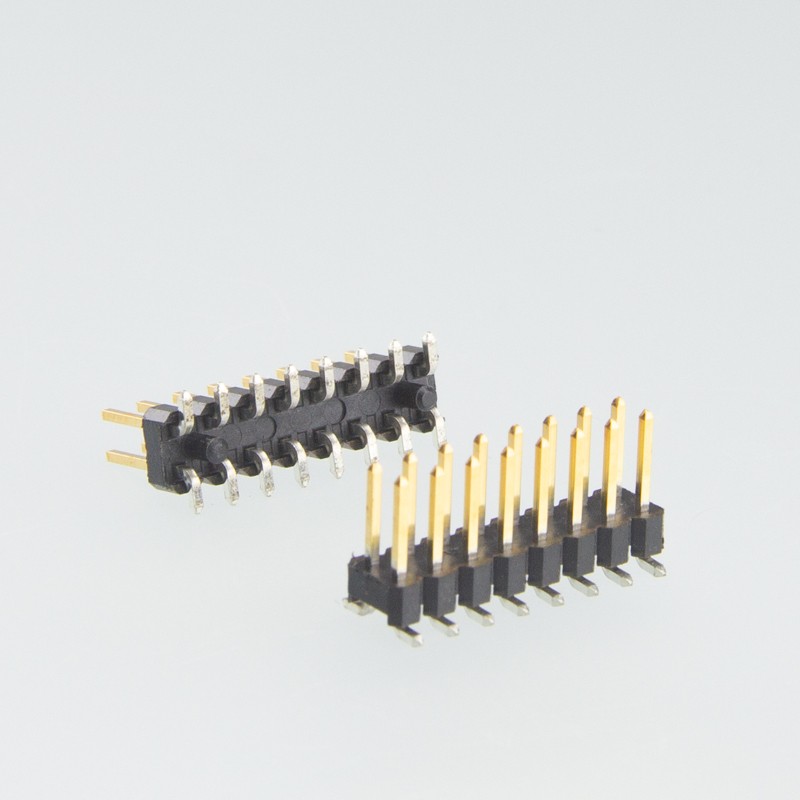
Pin header, a type of connector, English name: Pin Header.
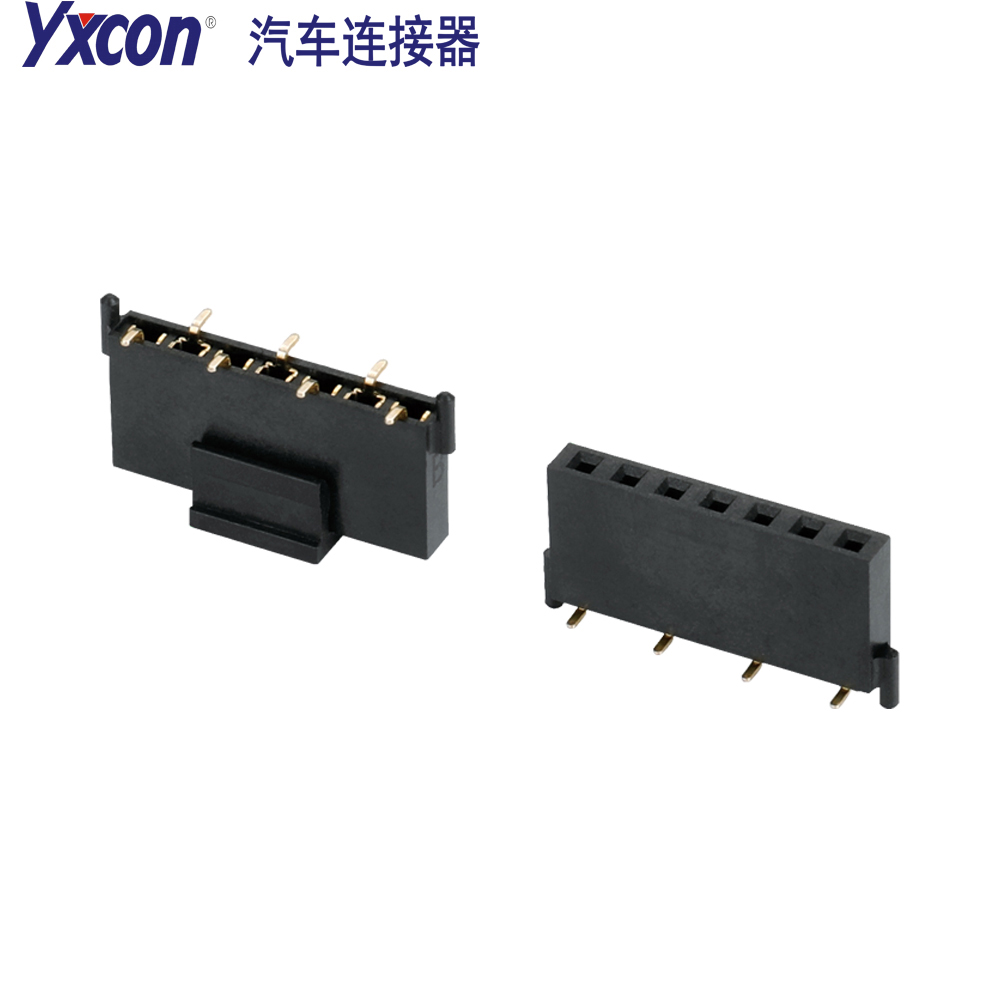
This type of connector is widely used in PCB circuit boards in electronics, electrical appliances, and instruments. Its function is to serve as a bridge between blocked or isolated circuits in a circuit, undertaking the task of current or signal transmission. It is usually used together with female headers to form board-to-board connections; or used together with electronic wire harness terminals to form board-to-wire connections; it can also be used independently for board-to-board connections.
Pin headers have the reputation of being universal connectors. Generally, connectors such as female headers and wire-end connectors are used in pairs with them. With competition in the pin header connector market, some manufacturers now reduce costs through electroplating (imitation gold) and materials (copper-clad steel, alloys, etc.), but this also reduces the performance characteristics and service life of the products.
Pin Header Classification:
Because different products require different specifications, pin headers also come in many models and specifications. According to the standard classification of pin header connectors in the electronics industry:
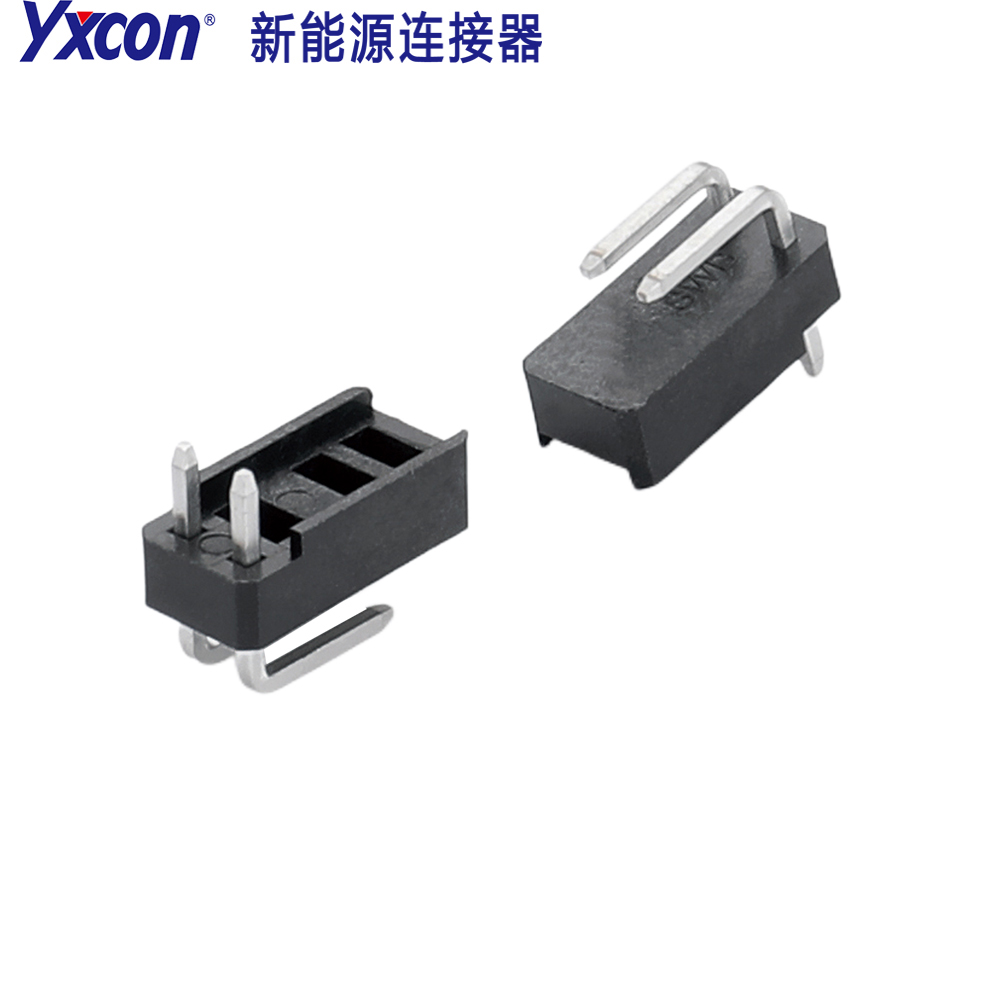
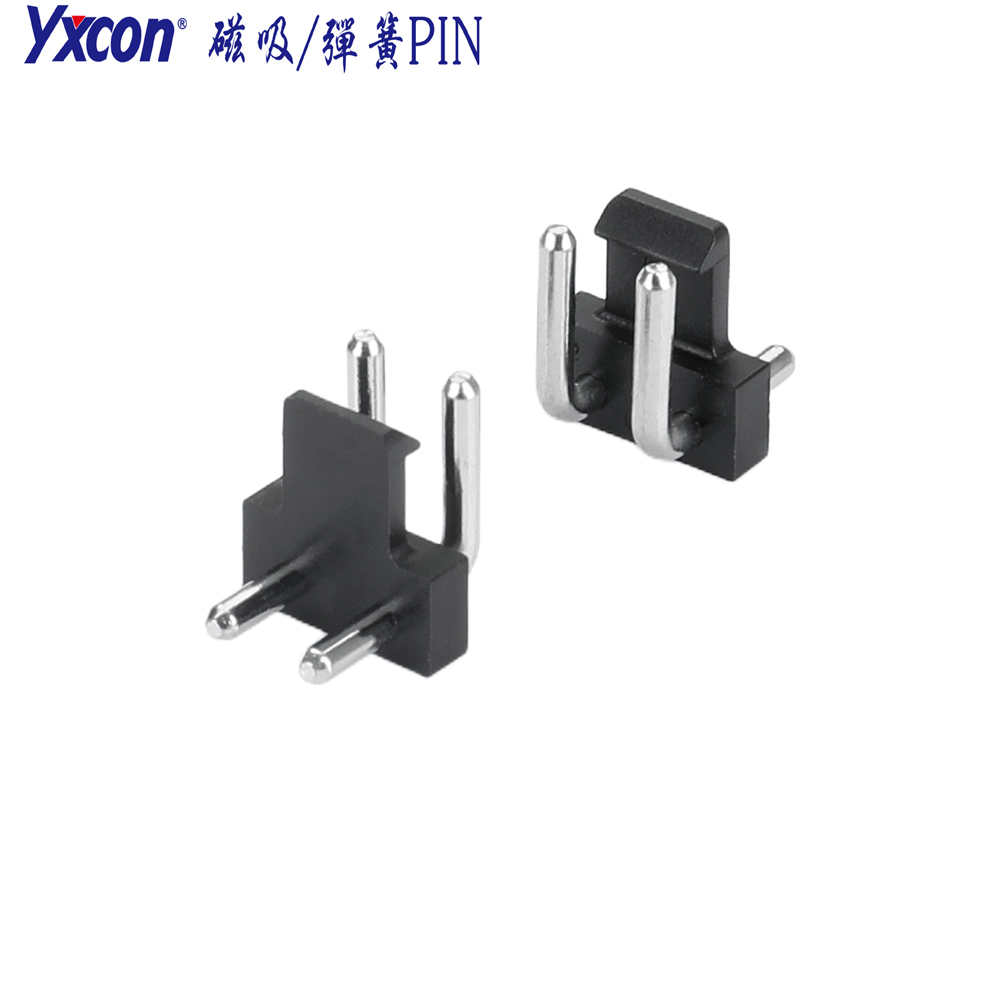
According to pitch, they can be roughly divided into five categories: 2.54mm, 2.00mm, 1.27mm, 1.00mm, and 0.8mm. According to the number of rows, there are single-row pin headers, double-row pin headers, triple-row pin headers, etc.; according to packaging usage, there are SMT (horizontal mount/vertical mount), DIP (straight pin/bent pin), etc.; according to installation method: 180° is represented by S, 90° by W, and SMT by T.
Number of rows: single row, double row, triple row, four rows, with a maximum of four rows.
Number of pins: 02to80
Pins: straight pins, bent pins, SMT; pin size.
Dimensions: overall dimensions length, width, thickness, row spacing.
Pitch: 0.8, 1.0, 1.27, 2.0, 2.54 pitch.
Material: refers to contact material and surface treatment, insulator material.
Packaging: blister pack, roll bag, bulk pack.
Pin material: brass or phosphor bronze; insulator material: plastic UL94V-0.
Surface treatment: gold plating 0.8u, tin plating, nickel plating.
Parameter features: single row and double row, straight pins and bent pins, pin pitch of 2.54mm and 3.96mm, various pin lengths.
Processing technology: The pin header processing technology mainly involves first processing the pins with brass (or phosphor bronze) as required, and first nickel plating and then gold plating as required, then processing the insulator part with a mold, and finally inserting the pins into the insulator on special equipment according to dimensional requirements.
Pin Header Applications:
1. Data processing 2. Computers 3. Program control equipment 4. Electronic measurement equipment 5. Automatic control 6. Automation 7. Communications
The rectangular pin cross-section is 0.8×1.6mm, with a load current of 7.5A. The socket has at least two independent spring pieces and four contact points, and the socket structure prevents incorrect insertion. The 254/I series square pin cross-section is 0.64×0.64mm. The above two types of pins adopt a blunt-edge corner design and can be used in high-frequency technology fields. The contact part of the pin and socket is gold-plated, providing corrosion resistance, low contact resistance, and high reliability.