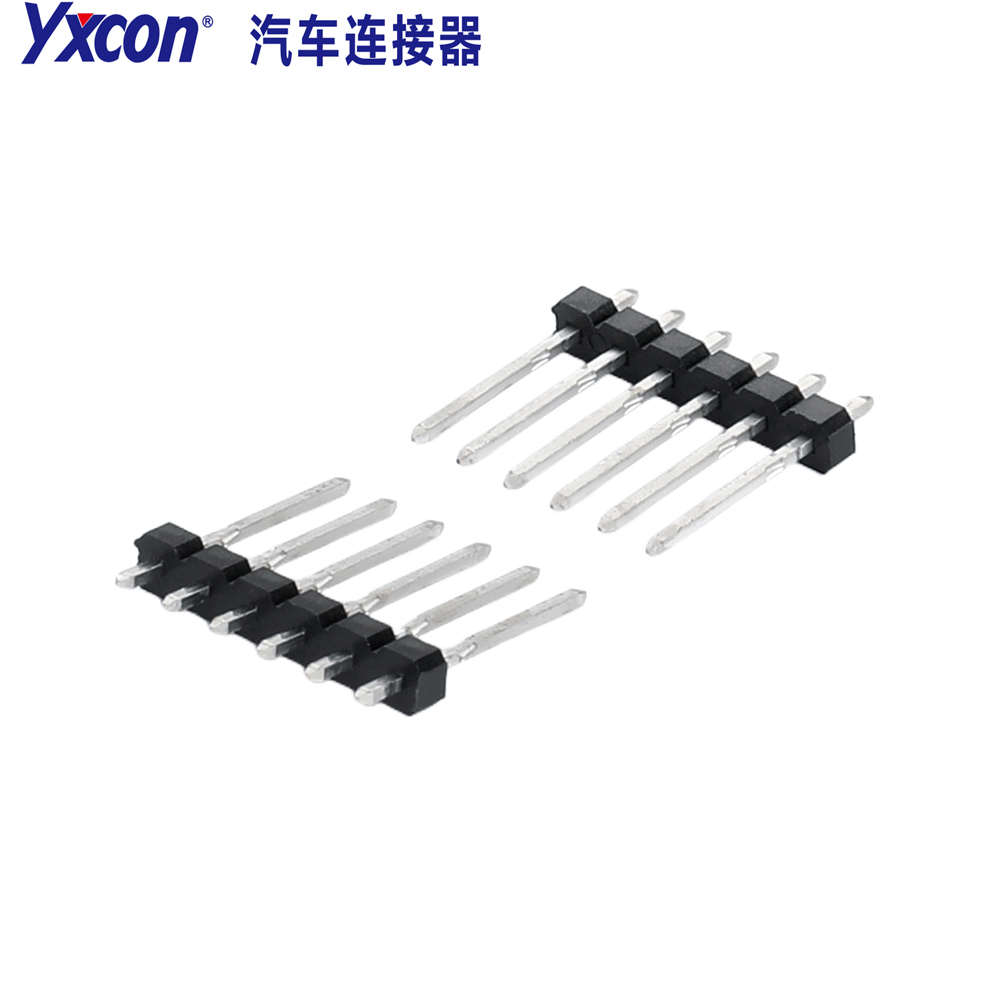
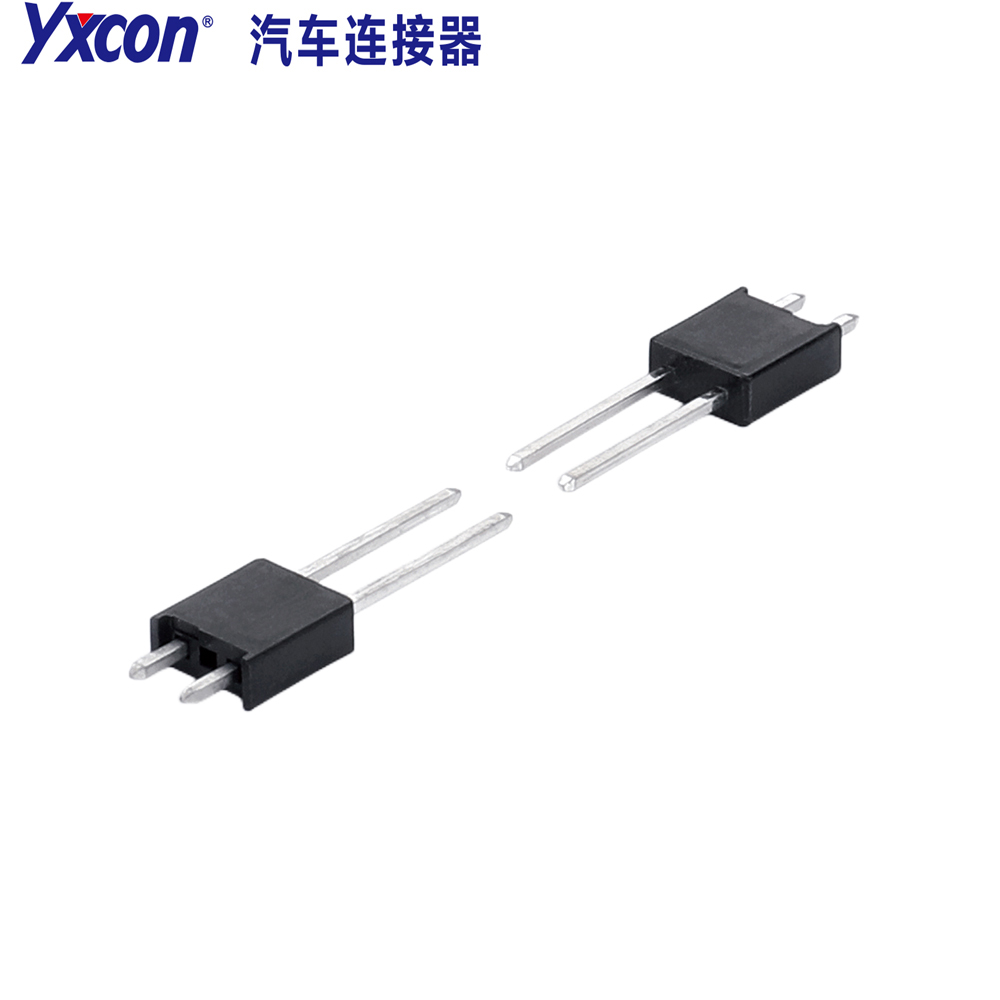
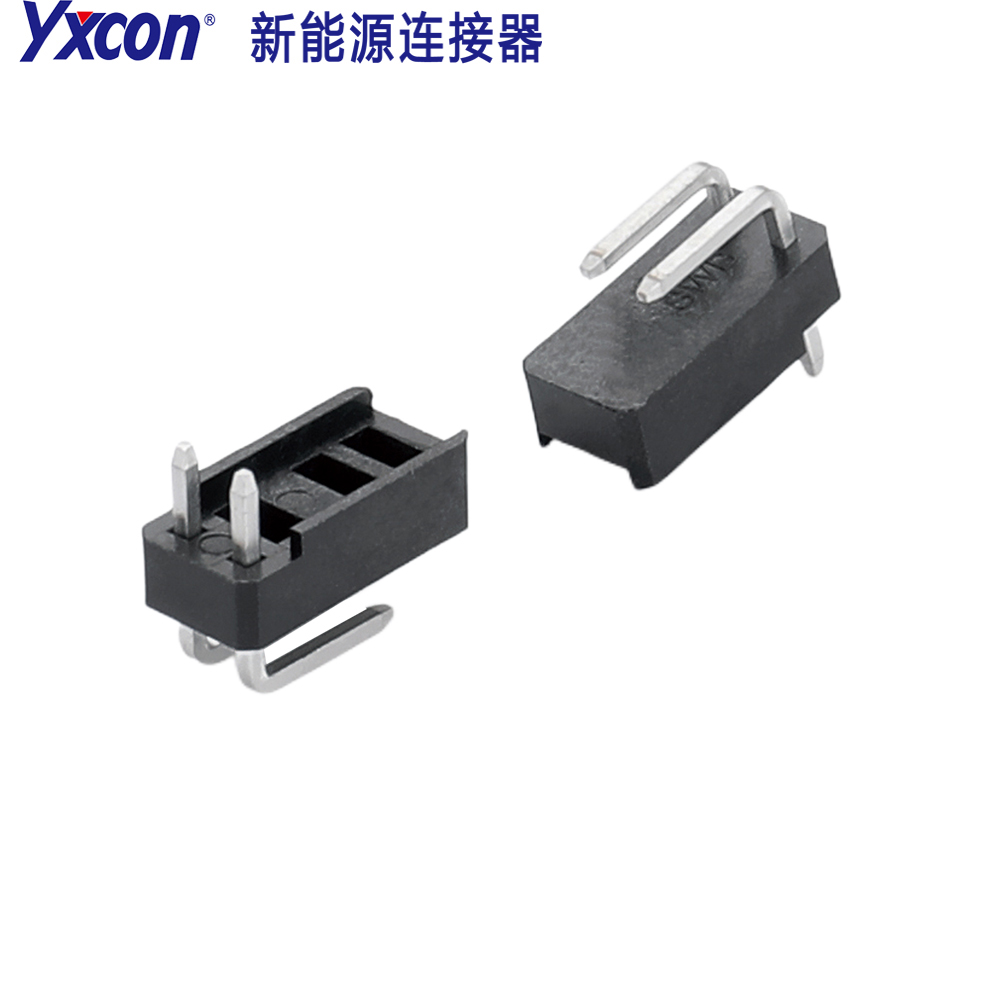
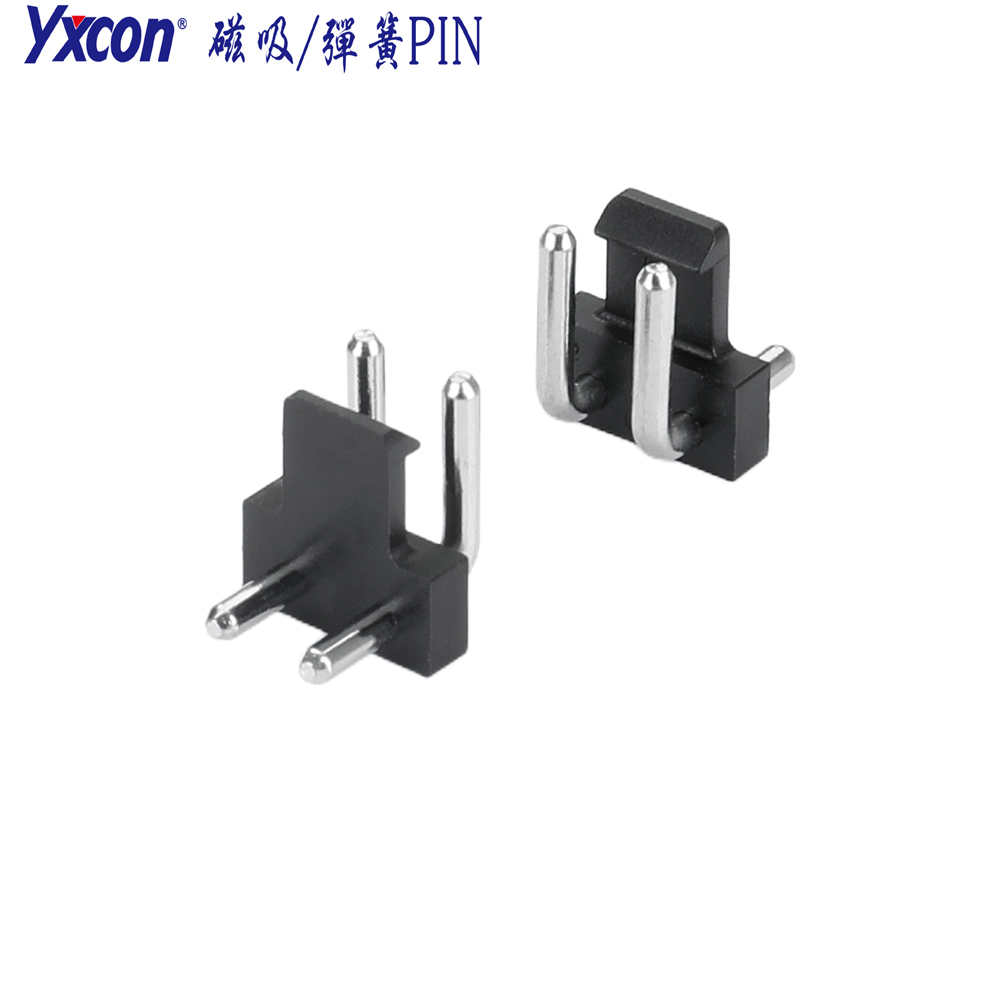
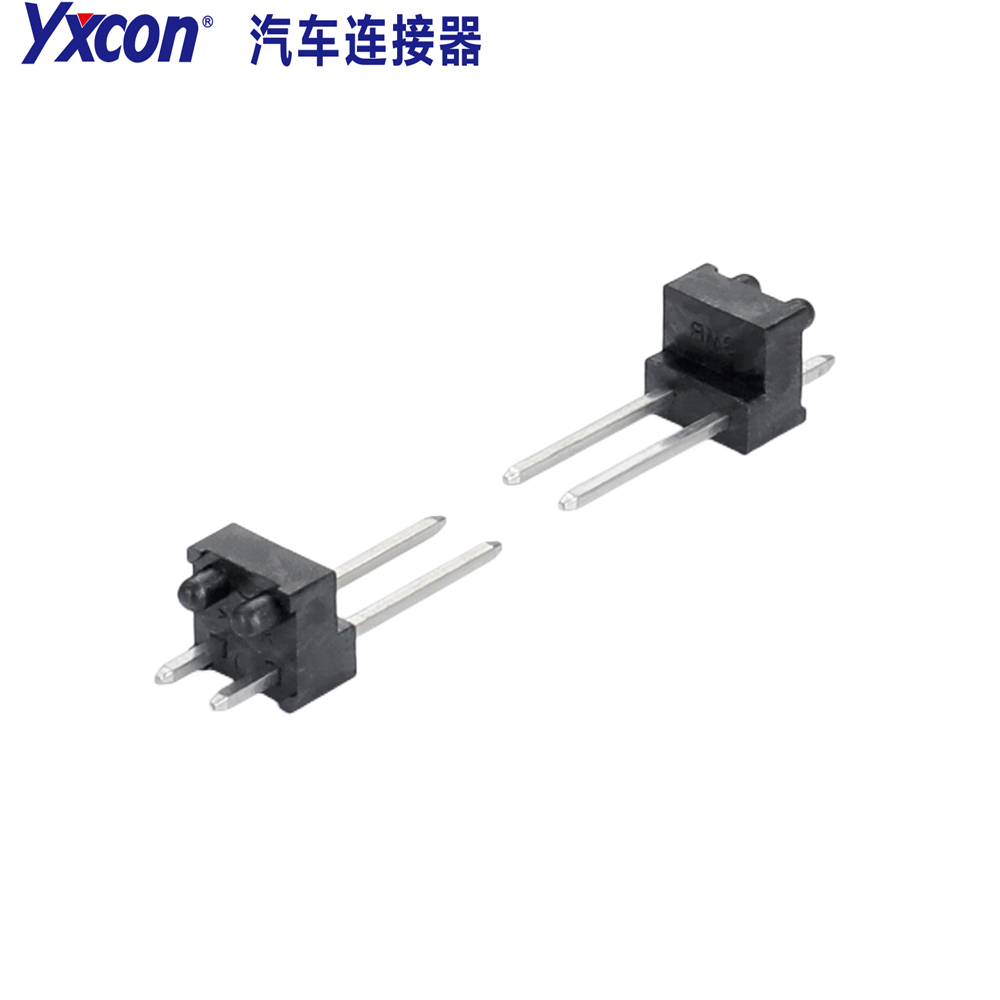
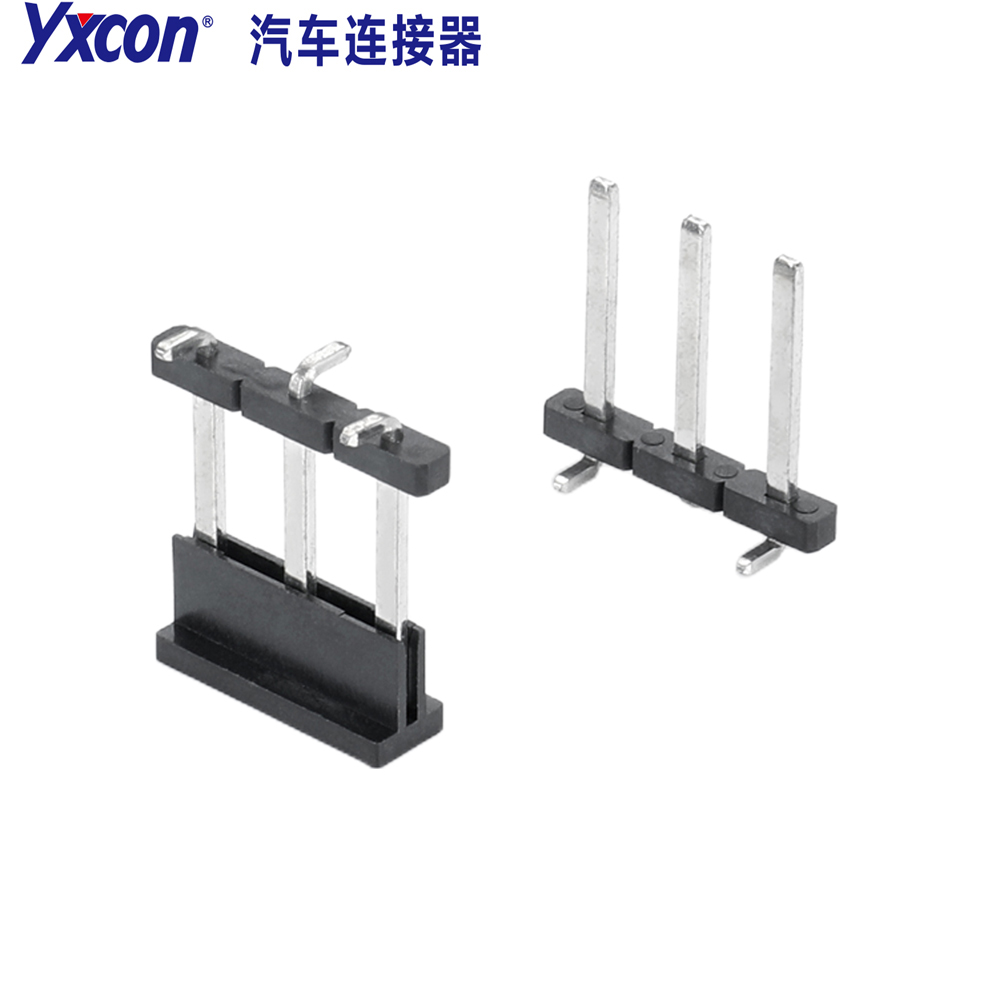
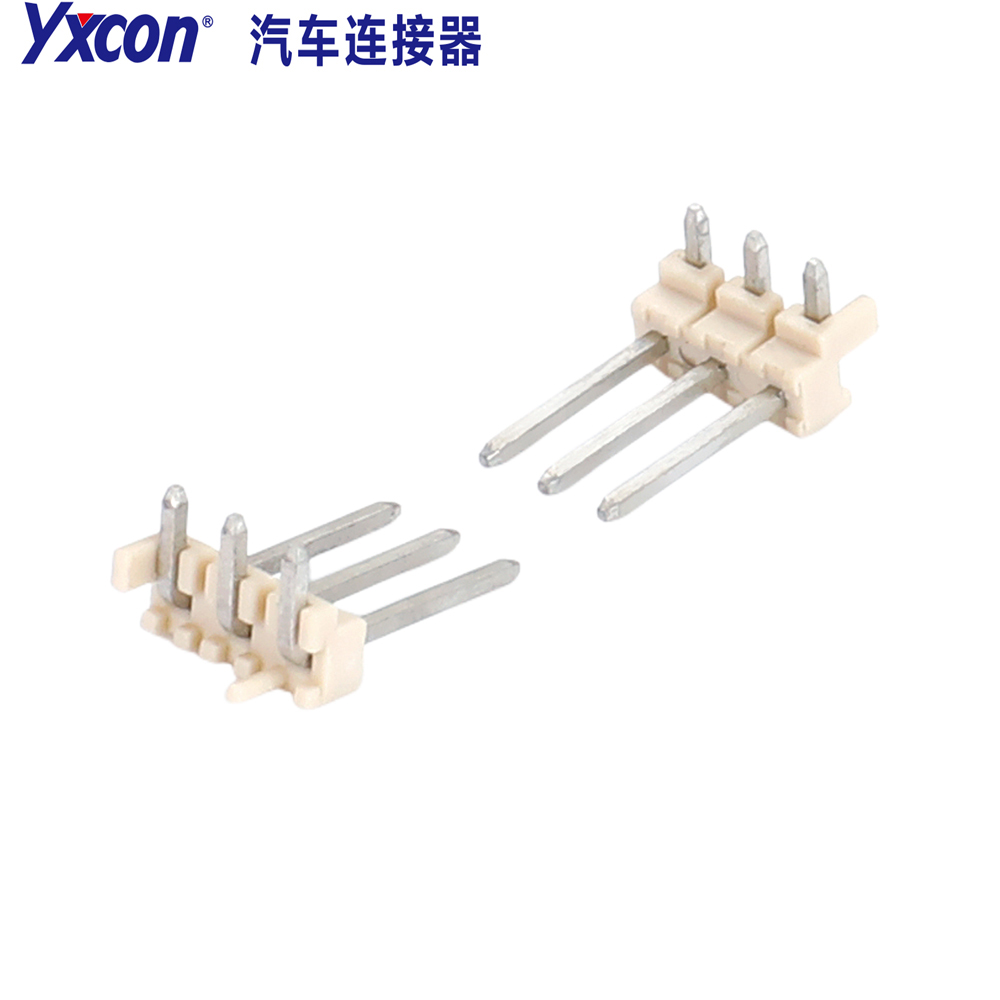
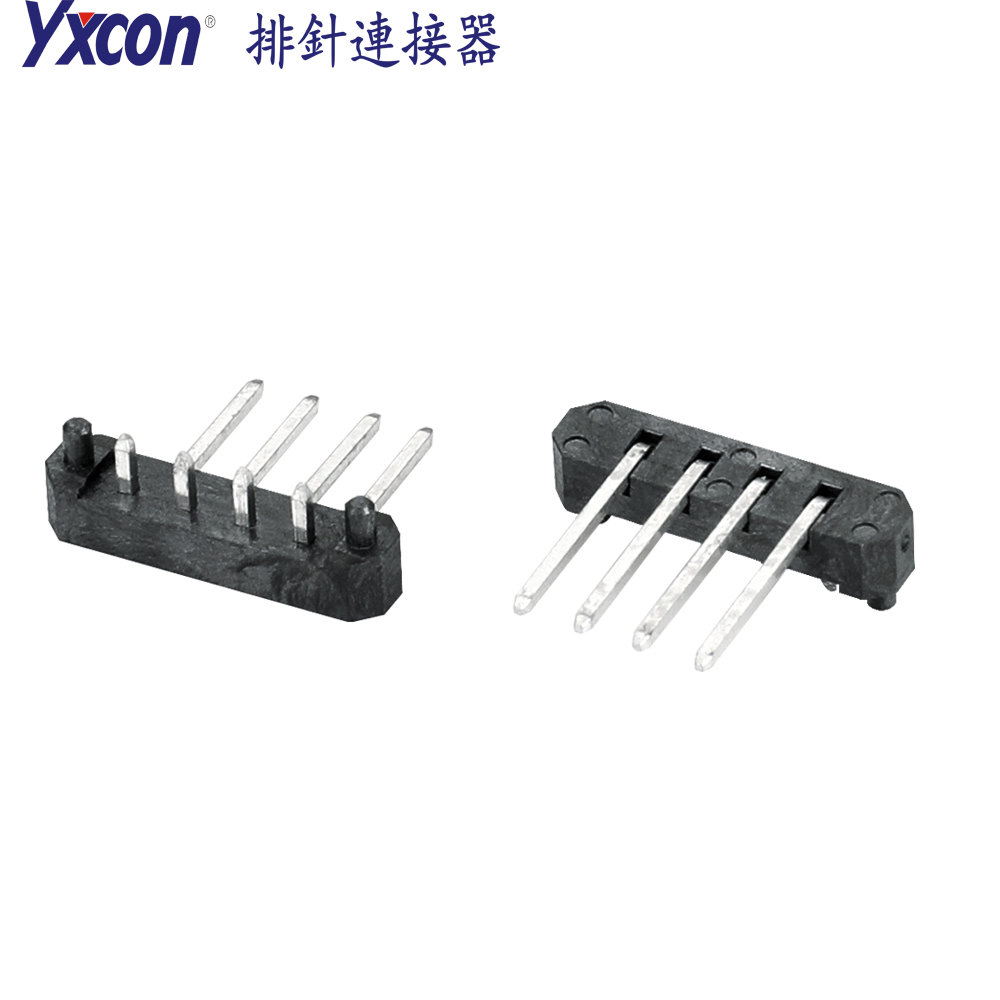
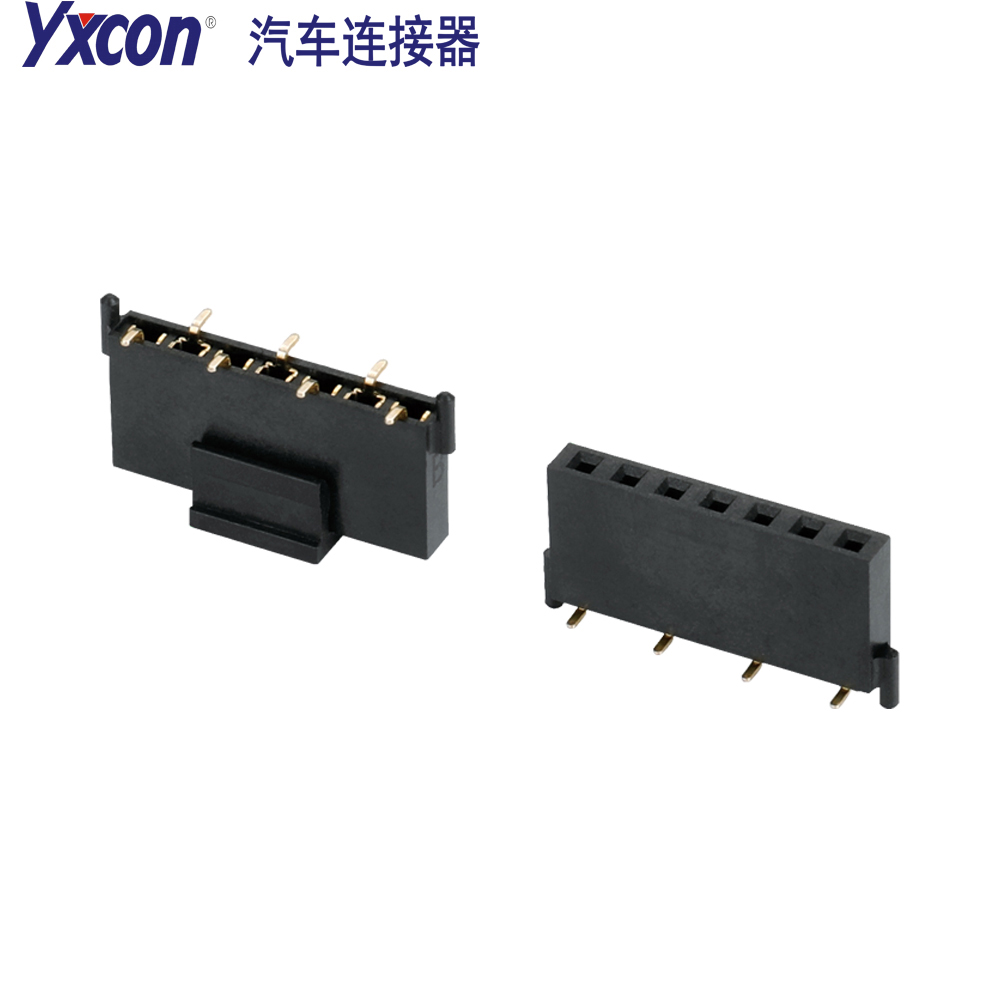
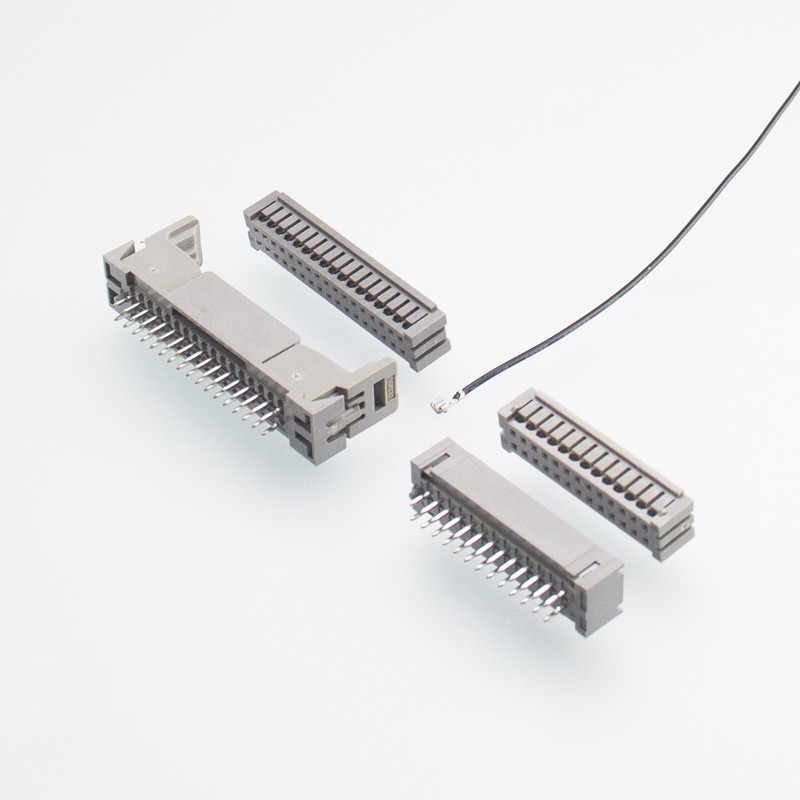
Product Name: DMSH-15P Male Header, Three-Row, Through-Hole, Gold-Plated
Temperature Resistance: 230°C
Interface Type: HDMI
Features: High temperature resistance up to 230°C
Application Scope: Widely used in various home appliances, electric toys,
digital products, modern office equipment, industrial control and monitoring communication equipment, and other fields.
Pin Header Introduction:
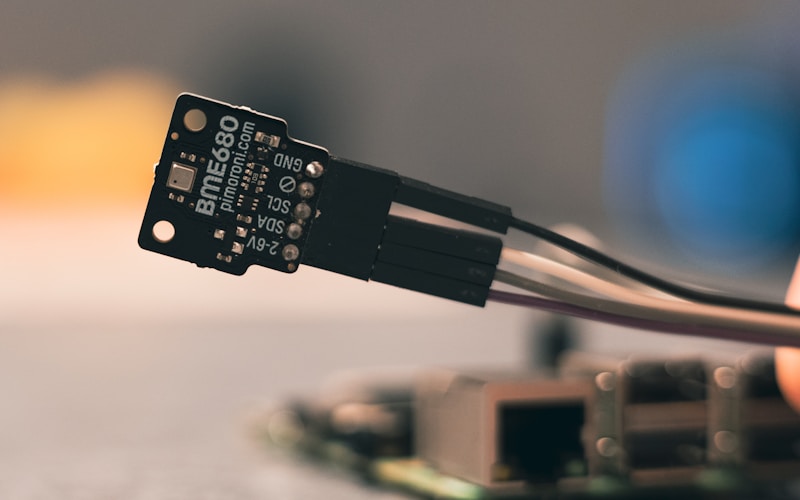
Pin header, a type of connector, English name: Pin Header.
This type of connector is widely used in PCB circuit boards in electronics, electrical appliances, and instruments. Its function is to serve as a bridge between blocked or isolated circuits in a circuit, undertaking the task of current or signal transmission. It is usually used together with female headers to form board-to-board connections; or used together with electronic wire harness terminals to form board-to-wire connections; it can also be used independently for board-to-board connections.
Pin headers have the reputation of being universal connectors. Generally, they are paired with female headers, wire-end connectors, and other connectors. With the competition in the pin header connector market, some manufacturers now reduce costs through plating (imitation gold) and materials (copper-clad steel, alloys, etc.), but this also reduces the performance characteristics and service life of the products.
Pin Header Classification:
Since different products require different specifications, pin headers also come in various models and specifications. According to the electronic industry standard classification of pin header connectors:
By pitch, they can be roughly divided into five categories: 2.54mm, 2.00mm, 1.27mm, 1.00mm, and 0.8mm. By number of rows, there are single-row pin headers, double-row pin headers, three-row pin headers, etc.; by packaging usage, there are SMT (horizontal mount/vertical mount), DIP (straight pin/bent pin), etc.; by installation method: 180° is represented by S, 90° by W, and SMT by T.
Number of rows: single row, double row, three rows, four rows, with a maximum of four rows.
Number of pins: 02 to 80
Pin type: straight pin, bent pin, SMT; pin size.
Dimensions: overall dimensions of length, width, thickness, and row spacing.
Pitch: available in 0.8, 1.0, 1.27, 2.0, and 2.54 pitches.
Material: refers to contact material and surface treatment, insulator material.
Packaging: blister pack, reel bag, bulk pack.
Pin material: brass or phosphor bronze; insulator material: plastic UL94V-0.
Surface treatment: gold-plated 0.8u, tin-plated, nickel-plated.
Parameter features: single row and double row, straight pins and bent pins, pin pitches of 2.54mm and 3.96mm, various pin lengths.
Processing technology: The pin header processing procedure mainly involves first processing the pins with brass (or phosphor bronze) as required, and first nickel-plating and then gold-plating as required, then processing the insulator part with a mold, and finally inserting the pins into the insulator on specialized equipment according to dimensional requirements.
Pin Header Applications:
1. Data processing 2. Computers 3. Program control equipment 4. Electronic measurement equipment 5. Automatic control 6. Automation 7. Communications
The rectangular pin cross-section is 0.8×1.6mm, with a load current of 7.5A. The socket has at least two independent spring contacts and four contact points, and the socket structure prevents incorrect insertion. The 254/I series square pin cross-section is 0.64×0.64mm. Both types of pins feature a blunt-edge design and can be used in high-frequency technology fields. The pin-socket contact area is gold-plated, providing corrosion resistance, low contact resistance, and high reliability.